German Team Cuts Industrial Drying Energy Use by 80%
Scientists just figured out how to slash energy waste in industrial drying by up to 80%, turning one of manufacturing's biggest carbon problems into a climate solution. The secret? Recycling steam instead of letting it escape into the air.
A breakthrough from German researchers could transform how we make everything from instant coffee to medicines while slashing energy bills and carbon emissions.
Scientists at the Fraunhofer Institute have cracked a massive industrial energy problem. Hot-air drying powers countless industries, from food processing to pharmaceuticals, but it wastes enormous amounts of energy by letting heat escape into the atmosphere like a giant hairdryer running nonstop.
The new solution sounds simple but changes everything. Instead of using natural gas to blow hot air that escapes, the system uses electricity to create superheated steam in a closed loop. When that steam dries materials and picks up moisture, the system cools it back into water, captures the heat, and sends it back to work.
A special heat pump compresses the leftover steam to boost its temperature, creating a continuous recycling process. Think of it like keeping all your heat in a sealed container instead of constantly heating new air from scratch.
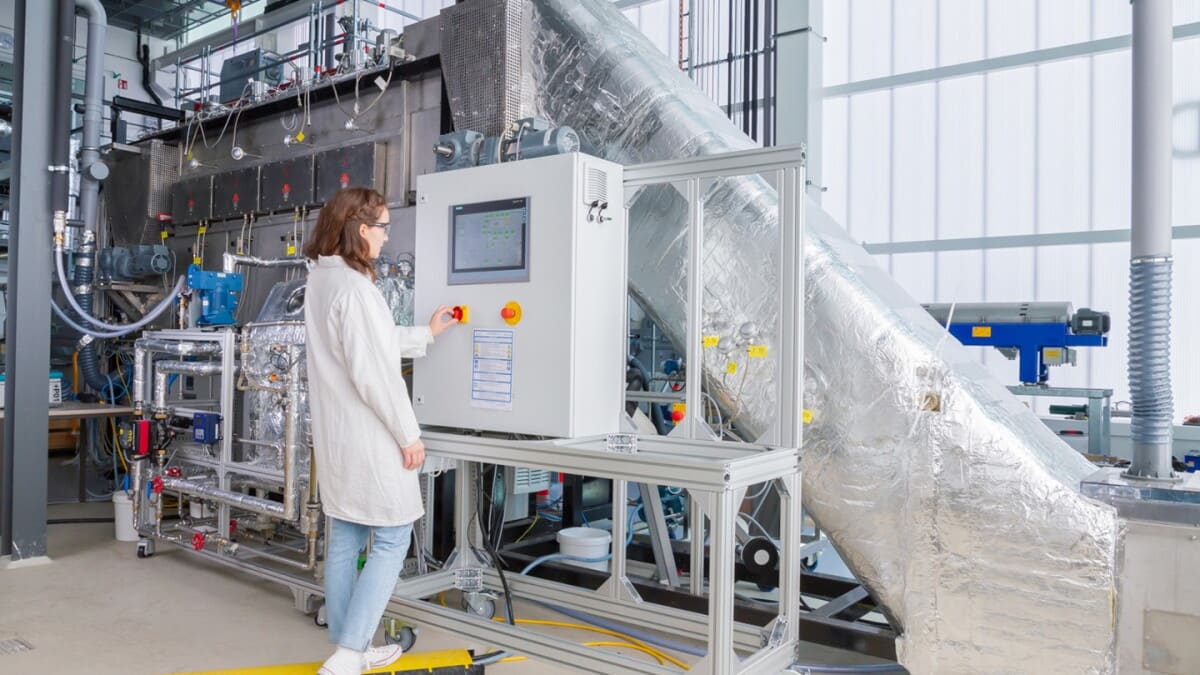
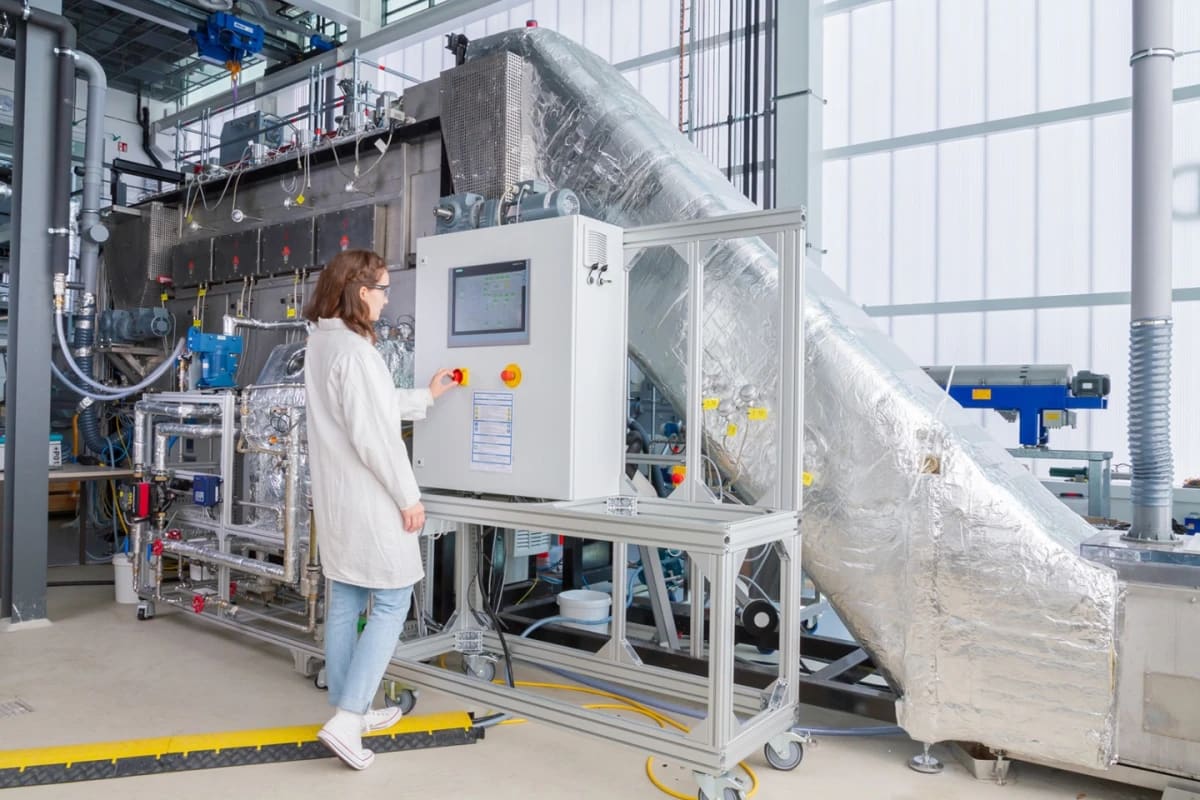
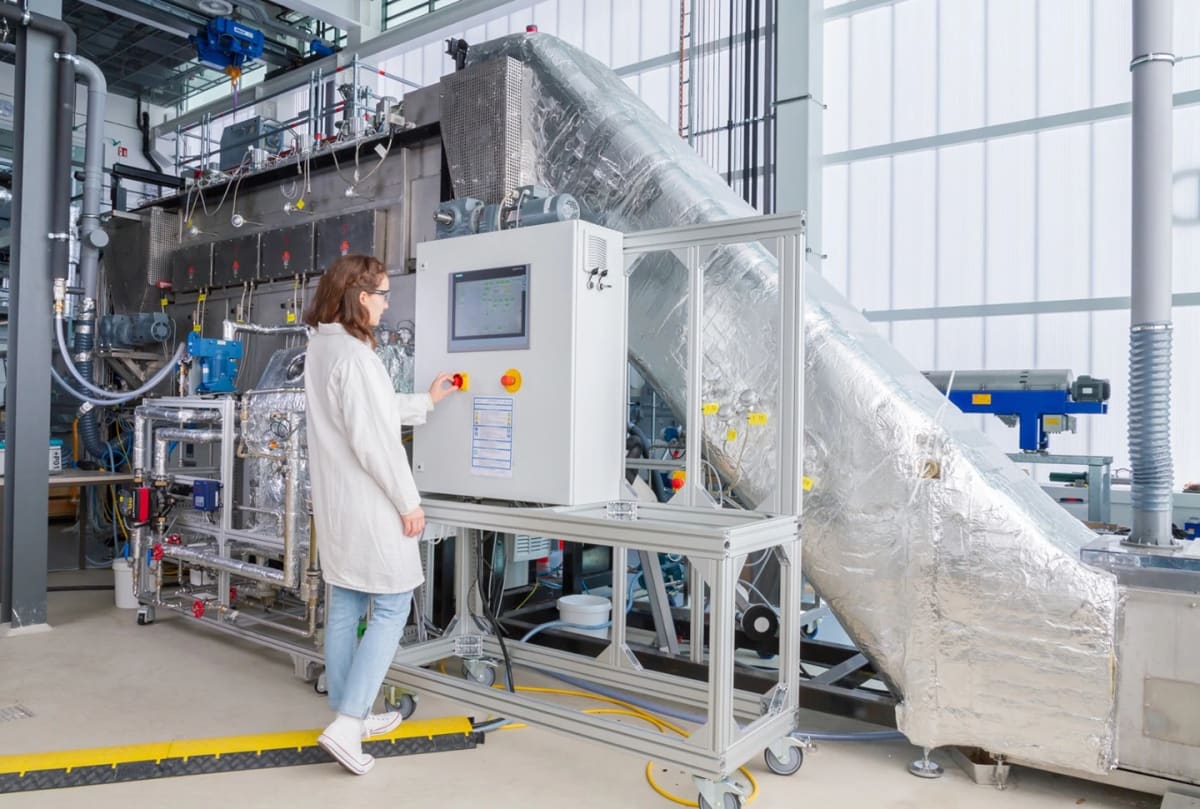
The technology works across different industrial dryers including belt, drum, and spray systems. Laboratory tests on construction materials, minerals, and food products proved the concept, and a pilot spray drying system is already up and running.
The Ripple Effect
The impact reaches far beyond individual factories. By cutting energy needs by half to three quarters compared to traditional methods, this technology could eliminate millions of tons of carbon emissions from manufacturing worldwide.
The system includes smart controls that sync with renewable energy availability. It runs the dryers when solar and wind power are abundant and cheap, helping manufacturers save money while supporting the clean energy grid.
Real world testing showed energy reductions up to 80% in some applications. For industries that rely heavily on drying processes, those savings translate to dramatically lower operating costs and carbon footprints.
The closed loop design also recovers heat at temperatures between 90 and 100 degrees Celsius. Factories can redirect that recovered energy to other processes, squeezing even more efficiency from every unit of electricity.
With the pilot system already operational, the technology is moving from lab to factory floor, proving that major industrial processes can run cleaner without sacrificing performance or affordability.
More Images

Based on reporting by New Atlas
This story was written by BrightWire based on verified news reports.
Spread the positivity!
Share this good news with someone who needs it