Germany Opens Europe's Largest AI Factory in Munich
Germany just launched one of Europe's biggest AI computing centers, designed to process data for 450 million people while keeping everything under strict European privacy laws. The facility runs entirely on renewable energy and marks a major step toward reducing Europe's reliance on foreign tech providers.
Europe just took a giant leap toward building its own artificial intelligence future, and it's powered by green energy.
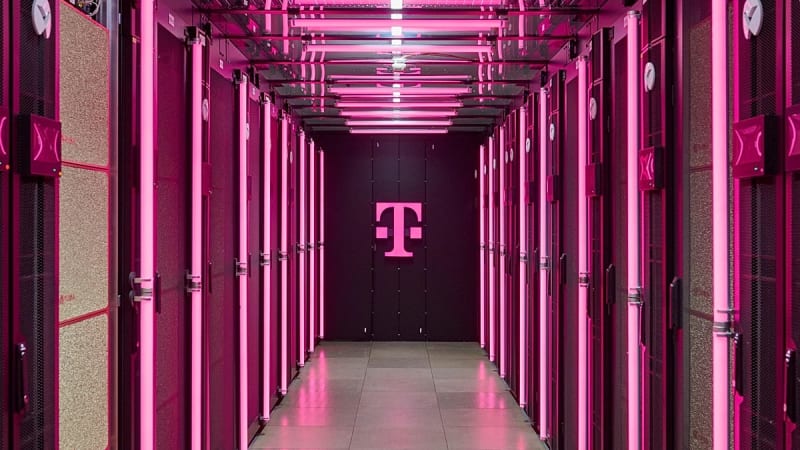
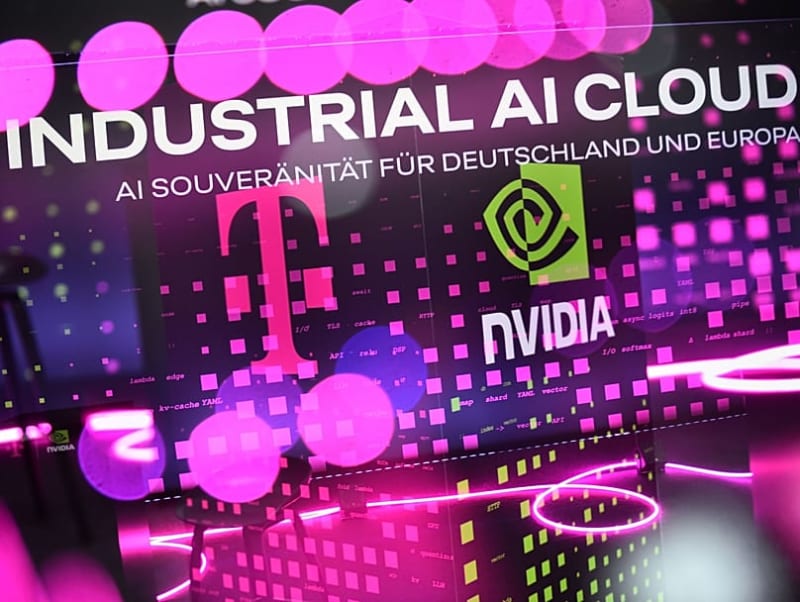
Germany unveiled its Industrial AI Cloud in Munich this week, one of the continent's largest AI computing hubs. Developed by Deutsche Telekom with technology giant NVIDIA and data center partner Polarise, the facility took just six months to build and is already open for business.
The numbers are staggering. Nearly 10,000 advanced processors give the factory enough computing power for every single person in the European Union to use an AI assistant at the same time. That's 450 million people accessing artificial intelligence simultaneously.
But the real story isn't just about raw computing power. It's about control and privacy.
Every piece of data processed in the facility stays under German and European Union jurisdiction. That means strict privacy protections apply, and sensitive information never leaves European soil. Policymakers call this "digital sovereignty," the ability to innovate without depending on foreign tech infrastructure.
Deutsche Telekom CEO Tim Höttges called it a test of European ambition. "We are proving here that Europe can do AI," he said at the launch event.
Germany's Finance Minister Lars Klingbeil agreed, noting that private investment was finally matching political promises. He emphasized that technological leadership must drive Germany's economic future.
The facility isn't just theoretical. About 10 companies are already using the system, including German industrial giant Siemens. The company is running complex simulations that previously took much longer, drastically cutting development time for new products. Siemens executive Cedrik Neike stressed this isn't a future promise but working reality today.
The project also showcases Germany's integrated tech approach, combining cloud infrastructure, business software, and AI tools into one platform that companies, researchers, and government agencies can access. Startups can tap into world-class computing power without building their own expensive data centers.
The Ripple Effect
Beyond boosting European tech independence, the facility sets a new standard for sustainable AI infrastructure. The entire operation runs on renewable energy, uses river water for cooling instead of energy-intensive air conditioning, and plans to channel waste heat into Munich's district heating system to warm nearby buildings.
That matters because AI computing typically consumes enormous amounts of electricity and generates significant heat. By designing sustainability into the project from day one, Germany is showing that cutting-edge technology and environmental responsibility can work together.
The facility is now welcoming applications from businesses, research institutions, public authorities, and startups across Europe. For a continent that has sometimes lagged behind the United States and China in digital innovation, Munich's AI factory represents a turning point, proof that Europe can compete on its own terms while maintaining its values around privacy, sustainability, and shared access to transformative technology.
Europe is building its digital future, and it's greener and more secure than ever before.
More Images


Based on reporting by Euronews
This story was written by BrightWire based on verified news reports.
Spread the positivity!
Share this good news with someone who needs it