Germany Paid $5B to 1.66M Holocaust Forced Labor Survivors
After decades of advocacy, Germany established a foundation that paid $5.1 billion to 1.66 million forced labor survivors across 100 countries. The milestone shows how persistent calls for justice can lead to meaningful action, even generations later.
After decades of survivors demanding recognition, Germany finally made things right for over a million people who suffered under Nazi forced labor during World War II.
Between 2001 and 2007, Germany's Remembrance, Responsibility and Future Foundation paid $5.1 billion to 1.66 million former forced laborers and their families in about 100 countries. This month marks 25 years since those first payments began reaching survivors who had waited over half a century for acknowledgment.
The foundation was born from persistent pressure. Survivor groups, especially in the United States, organized class action lawsuits in the 1990s that finally moved German companies and the government to act.
In 2000, Germany created the foundation with a fund worth about $5.2 billion at the time. The federal government paid half, while 6,500 German companies contributed the other half to take responsibility for their history.
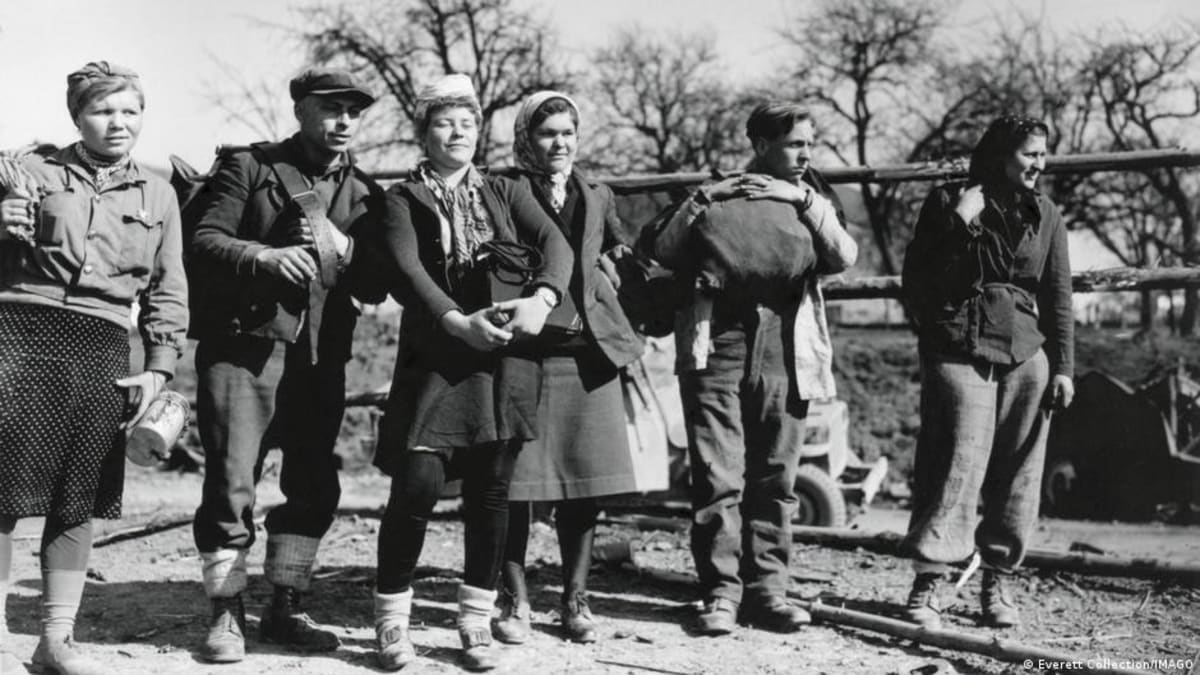
An estimated 26 million people were forced to work under the Nazi regime between 1933 and 1945. They worked in factories, farms, churches, private homes, and businesses across occupied Europe.
The Cold War had blocked earlier compensation efforts. West Germany refused to send payments behind the Iron Curtain to Poland and other Eastern European countries where many survivors lived.
Why This Inspires
This story shows that accountability can happen, even when it takes generations. Survivors and their advocates never stopped fighting for recognition, and their persistence created change.
The foundation continues its work today, not just through those historical payments, but by funding projects that promote human rights and democratic values. It keeps the memory of what happened alive while supporting the principles that prevent such injustices from recurring.
Andrea Despot, who leads the foundation, acknowledges the payments could never match the scale of suffering endured. But the foundation represents something crucial: Germany's commitment to facing its history honestly and supporting survivors in concrete ways.
The decades it took to achieve this justice remind us that doing the right thing is never truly too late.
Based on reporting by DW News
This story was written by BrightWire based on verified news reports.
Spread the positivity!
Share this good news with someone who needs it
%2Ffile%2Fattachments%2F2997%2F10664384_632762.jpg)