Germany's Kniepsand Beach: 1,400 Football Fields of Sand
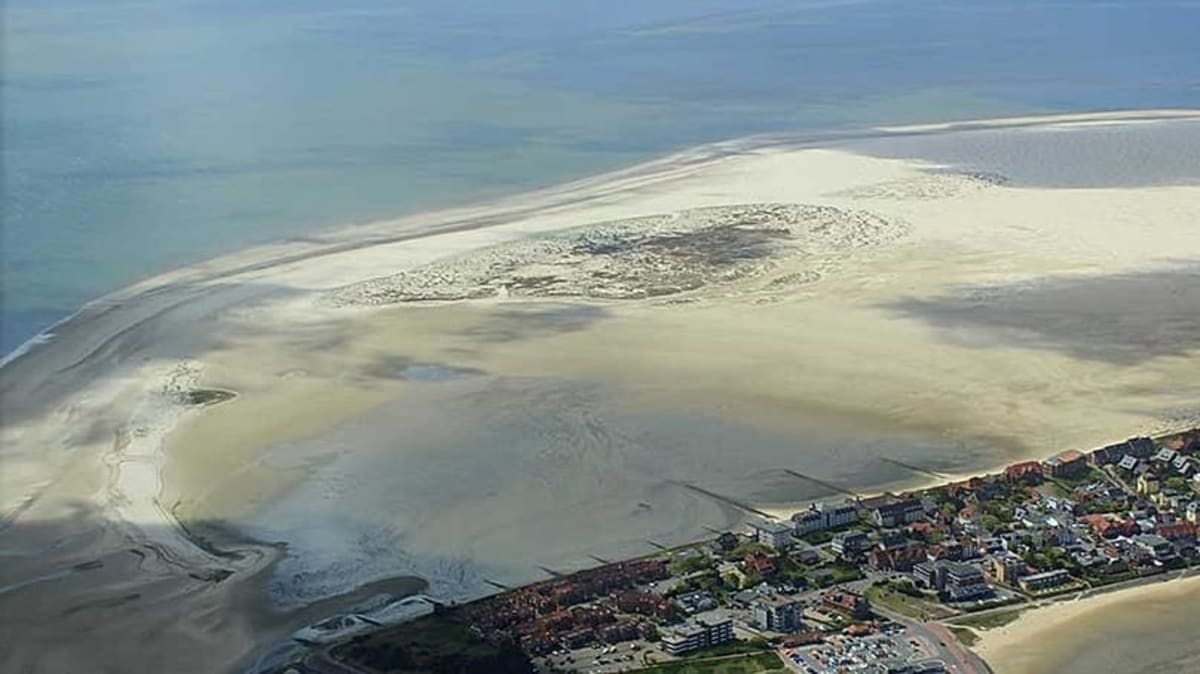
A sandbank the size of 1,400 football pitches off Germany's Amrum Island offers endless horizons and protects the coast naturally. This North Sea wonder earned global attention when CNN named it one of the world's best beaches.
Imagine walking across sand so vast it looks like someone dropped a desert into the North Sea.
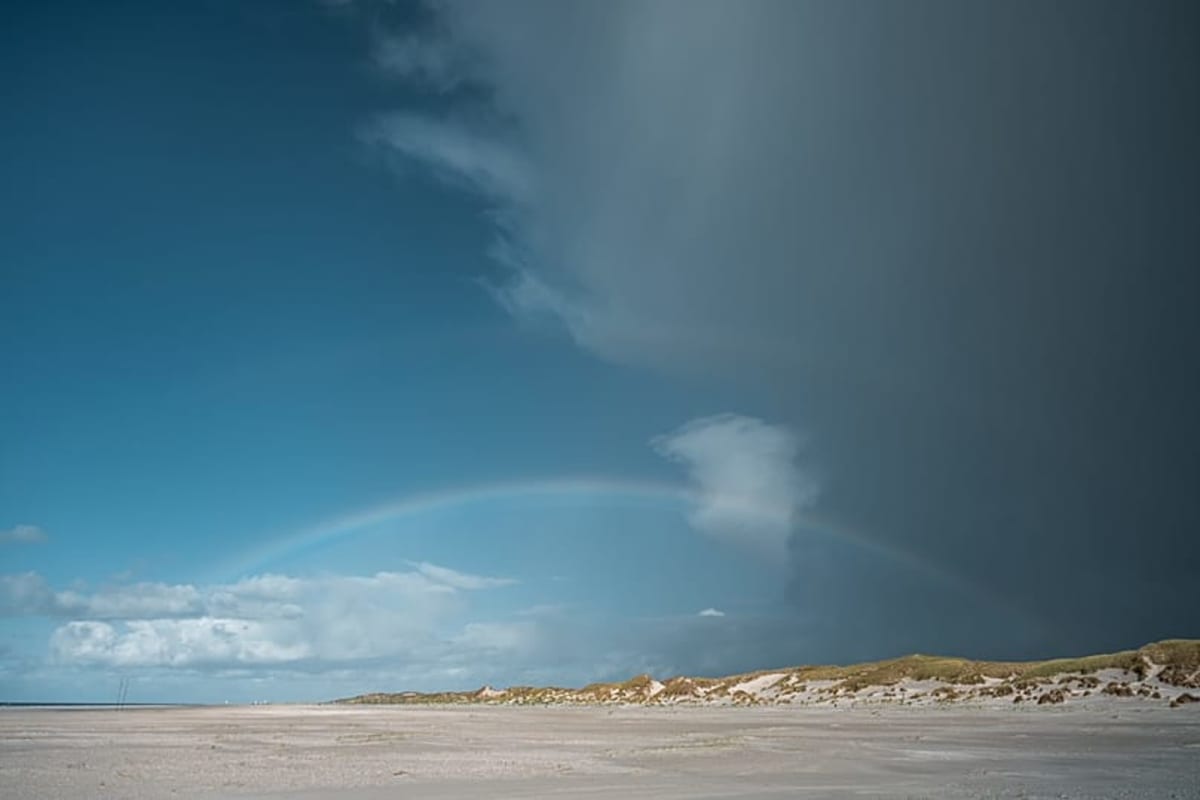
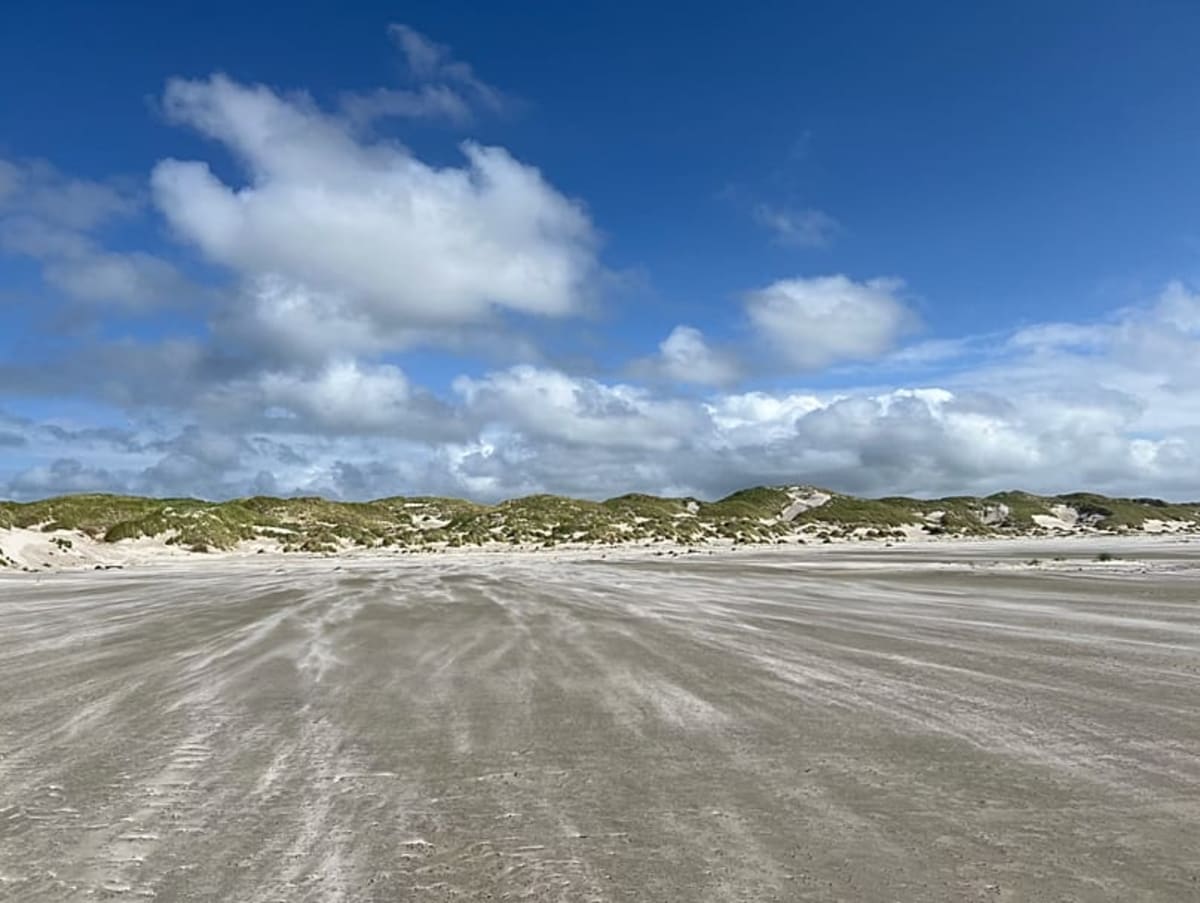
That's Kniepsand, a massive sandbank hugging Germany's Amrum Island that stretches nearly 15 kilometers long and two kilometers wide at its broadest point. The total beach covers ten square kilometers, giving visitors more space than they could explore in a single day.
Unlike typical beaches, Kniepsand is technically a sandbank that merged with the island over centuries. Its name comes from the local Frisian word "kniap," meaning "to pinch," because it slowly squeezed itself against Amrum's coast. As recently as the 1960s, water still separated them, but now the sandbank sits firmly attached to the dunes.
The beach keeps moving too. Sand shifts south, adding new areas each year while the north retreats slightly. Frank Timpe from Amrum Tourism says occasional storm surges temporarily move sand around, requiring coastal protection measures, but the overall trend points upward.
Three lifeguard-supervised swimming areas welcome beachgoers, while designated zones host water sports from beach volleyball to catamaran sailing. Dog-friendly sections and naturist areas ensure everyone finds their perfect spot. Getting there means walking or biking through dunes and heathland, sometimes climbing wooden stairs locals call the "Stairway to Heaven."
The beach does more than provide recreation. During storms, Kniepsand acts as a natural buffer protecting Amrum from flooding. It also supplies sand that builds up the island's protective dune belt, creating a living coastal defense system that adapts with each tide.
The Ripple Effect
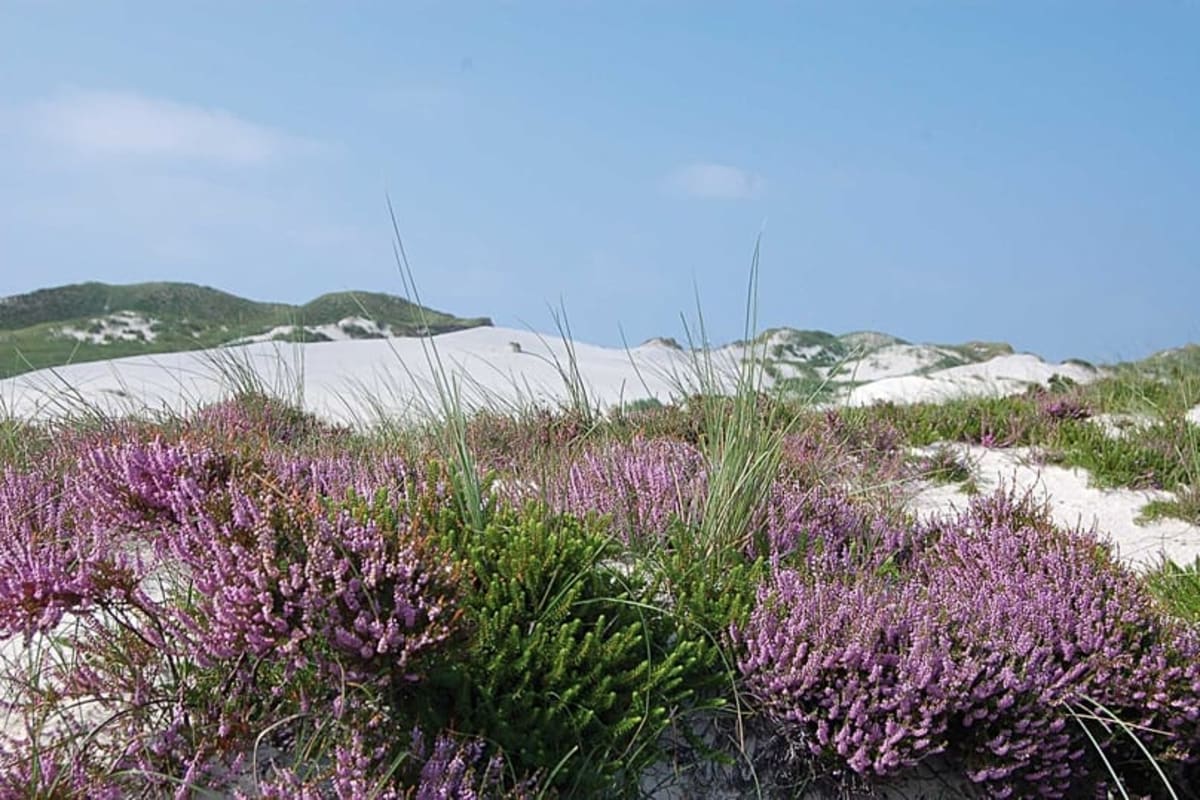
Kniepsand's reputation spread globally in 2022 when CNN Travel named it one of the world's best beaches. For a quiet North Sea island, appearing alongside famous international destinations meant something special. The recognition highlighted not just the sand but the island's bird sanctuary, traditional Frisian villages, and white dunes.
The attention brings benefits beyond tourism. While Amrum rarely uses the "Europe's biggest bathing beach" label officially, preferring to emphasize the sense of freedom and wide horizons, the international recognition validates natural coastal protection methods. As climate change threatens coastlines worldwide, Kniepsand demonstrates how dynamic natural systems can shield communities better than concrete walls.
Other European beaches claim size records too. Dutch island Schiermonnikoog boasts 16 square kilometers, Greece's Monolithi stretches 22 kilometers, and the Baltic's Curonian Spit runs nearly 100 kilometers. But defining "biggest" depends on whether you measure length, width, or total area.
What makes Kniepsand special isn't just size but its living relationship with the island it protects while welcoming visitors to experience true coastal wilderness.
More Images
Based on reporting by Euronews
This story was written by BrightWire based on verified news reports.
Spread the positivity!
Share this good news with someone who needs it