Ghana Queen Mothers Push for Role in Development Plans
Traditional women leaders in Ghana are calling for a seat at the table where decisions about community development are made. Their proposal could unlock centuries of grassroots knowledge to improve education, healthcare, and economic opportunity.
In Ghana's Ashanti Region, a traditional queen mother is making the case that her country's development programs are missing a crucial resource: the women who have been quietly organizing communities for generations.
Nana Konadu Yiadom I, known professionally as Barbara Acheampong, holds the title Nkosuohemaa, which translates to "queen mother of progress." She recently outlined how traditional women leaders could transform social programs if given real decision-making power rather than just ceremonial roles at ribbon cuttings.
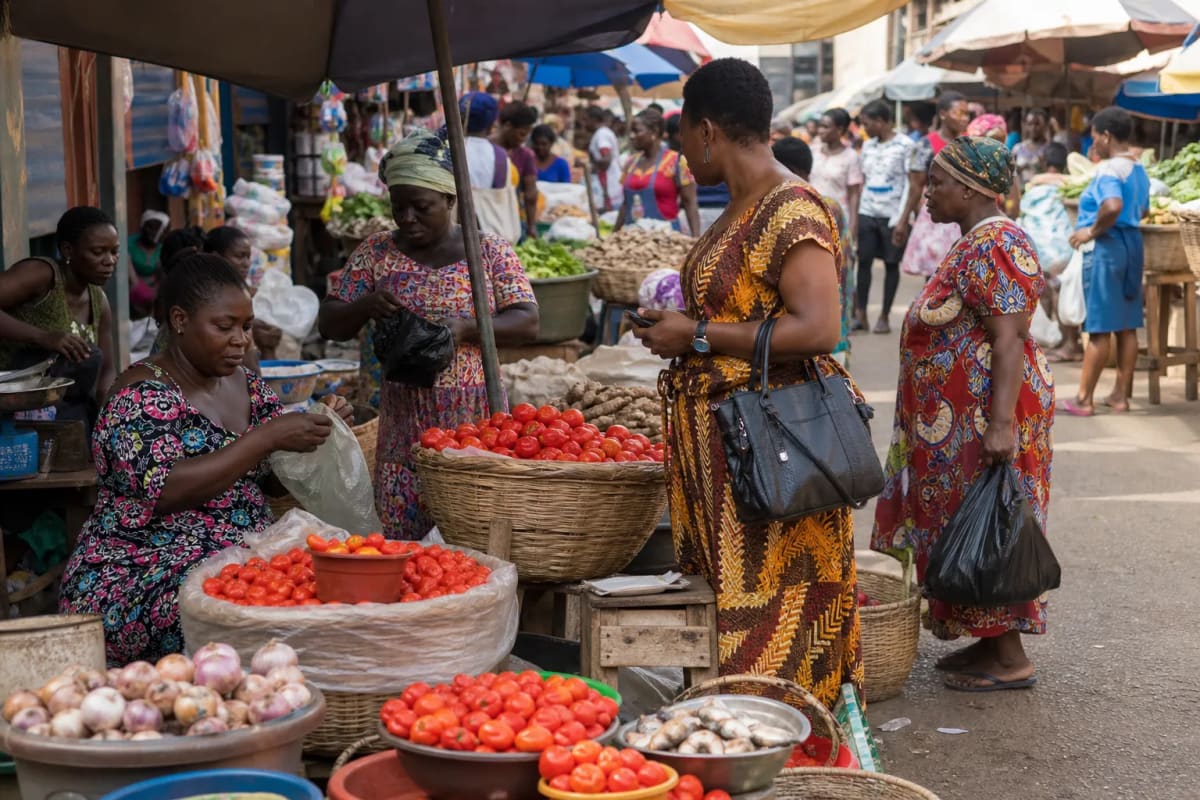
The system she describes is already working at the grassroots level. Market queen mothers set prices, arrange credit terms for junior traders, resolve disputes, and maintain relationships with farmers and transporters. These informal institutions run on trust built over generations, creating economic stability without bureaucratic overhead.
Yiadom's vision goes beyond markets. She wants queen mothers involved in designing girls' education programs from the start, not just attending launch events. She's proposing a bridge between traditional susu savings groups and formal banking that respects existing governance structures instead of replacing them.
Her other ideas include partnerships with the Ghana Health Service to share maternal health information and giving traditional women's councils seats on committees that decide how customary land gets used for agriculture, mining, and infrastructure.
The Ripple Effect
The proposal taps into a powerful legacy. In 1900, Queen Mother Yaa Asantewaa of Ejisu led the last Ashanti war against the British Empire. That tradition of women's leadership continues today with Vice President Naana Jane Opoku-Agyemang, who became Ghana's first female vice president in January 2025.
If implemented, the plan could reshape how development programs reach communities. Traditional leaders already understand local needs, speak the language of their regions, and have established trust networks. Connecting them to formal decision-making processes could make programs more effective while honoring cultural institutions.
The approach also addresses a common development challenge: outside organizations often create parallel structures instead of strengthening what already exists. Yiadom suggests redirecting some of that funding to traditional women's councils, which already have infrastructure and community buy-in.
Ghana's queen mothers represent millions of women across thousands of communities. Giving them a real voice in development planning doesn't just respect tradition; it's practical policy that could accelerate progress where it's needed most.
More Images




Based on reporting by Google News - Ghana Development
This story was written by BrightWire based on verified news reports.
Spread the positivity!
Share this good news with someone who needs it