Ghana Town Gets Clean Water, Clinics in Revival Plan
Four underserved communities in Ghana's Yilo Krobo region are getting healthcare clinics, clean water systems, and new classrooms in a development push aimed at improving daily life. The projects will bring safe drinking water and medical care to thousands who've gone without.
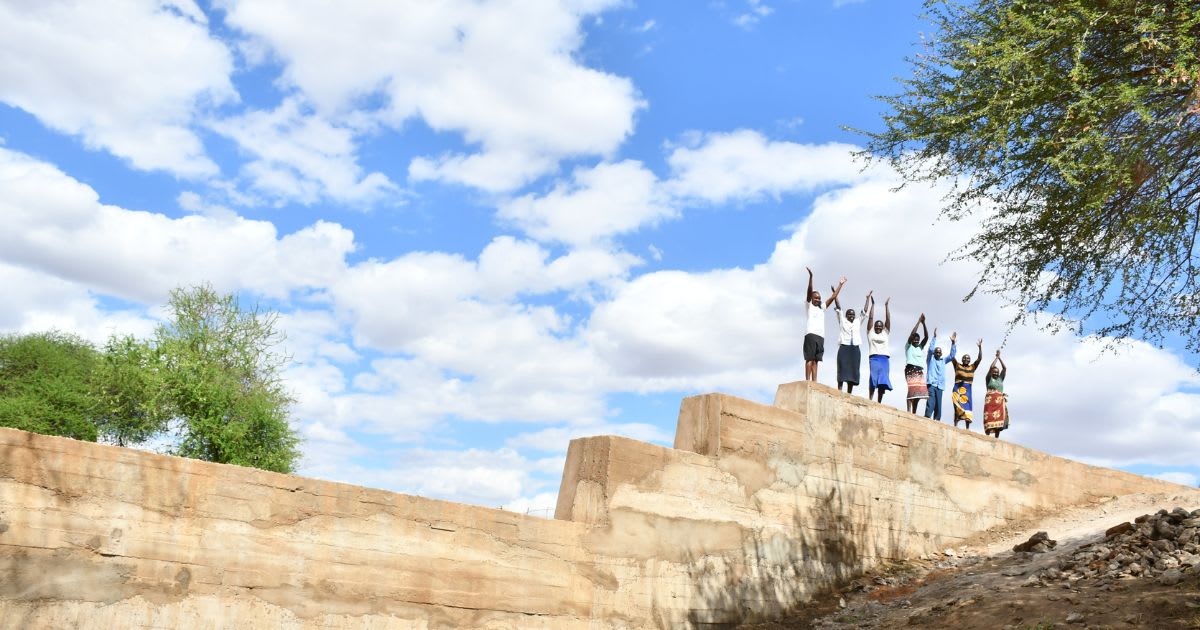
Thousands of residents in Ghana's Yilo Krobo region will soon have access to clean water and healthcare for the first time as construction begins on essential infrastructure projects.
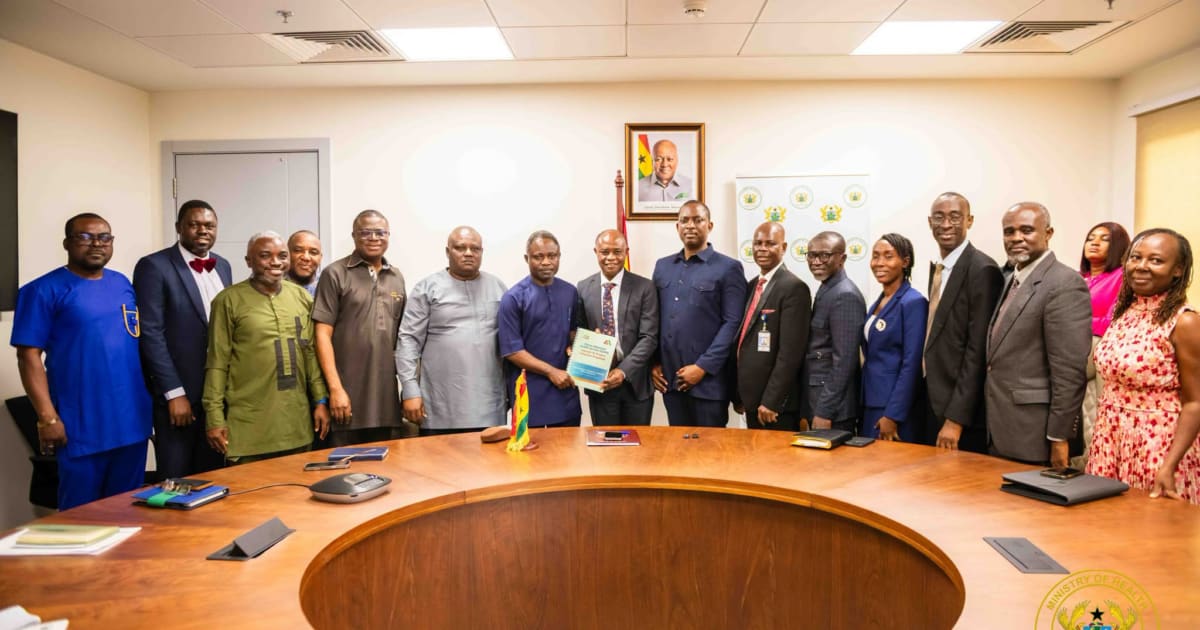
The Yilo Krobo Municipal Assembly launched construction this week on borehole water systems, health clinics, and school classrooms across four communities: Asinersi, Labolabo, Klo-Agogo, and Brukum Maumi. The initiative targets areas where about 2,000 people have struggled without basic services like potable water.
Municipal Chief Executive Francis Addo Akumatey says the work is part of President John Dramani Mahama's Reset Agenda, focused on accelerating development in underserved areas. The projects are funded through the District Assemblies Common Fund, ensuring equitable growth across the region.
In Asinersi, workers broke ground on a borehole water system with an overhead tank to deliver safe drinking water. Labolabo will receive a fully equipped Community-based Health Planning and Services compound, bringing medical care directly to residents who previously had to travel long distances for treatment.
Klo-Agogo's project includes both a water treatment plant and a three-unit classroom block at the Presbyterian Junior High School. The new facility will feature offices, storage areas, and auxiliary spaces designed to create better learning conditions for students and teachers.
Brukum Maumi will get its own borehole system at the existing health compound, strengthening healthcare delivery with clean water access on site. All water systems will include treatment plants and overhead tanks to ensure consistent, safe supply.
The Ripple Effect
These infrastructure improvements address years of appeals from community members. Local leaders had repeatedly raised concerns about the lack of clean water forcing residents to use unsafe sources, putting health at risk especially for children and elderly residents.
The construction brings more than just pipes and buildings. Reliable water access means fewer waterborne illnesses and more time for children to attend school instead of walking long distances to fetch water. Healthcare clinics in the communities eliminate dangerous travel to distant facilities, particularly critical for pregnant women and emergency cases.
The Assembly has committed to closely monitoring construction timelines and quality, with community members invited to support contractors throughout the process. Officials say the collaborative approach ensures projects meet local needs and get completed on schedule.
For communities that have waited years for basic services, breaking ground represents a turning point toward healthier, more prosperous futures built on access to essentials many take for granted.
Based on reporting by Google News - Ghana Development
This story was written by BrightWire based on verified news reports.
Spread the positivity!
Share this good news with someone who needs it