Ghana Trains 30,000 Teachers in Play-Based Learning
Ghana is transforming early childhood education by training 30,000 kindergarten teachers to replace rote memorization with play-based learning nationwide. The shift puts exploration, storytelling, and games at the heart of how young children build foundational skills.
Ghana just took a major step toward giving every young child a joyful start in education by rolling out play-based learning across all public kindergartens.
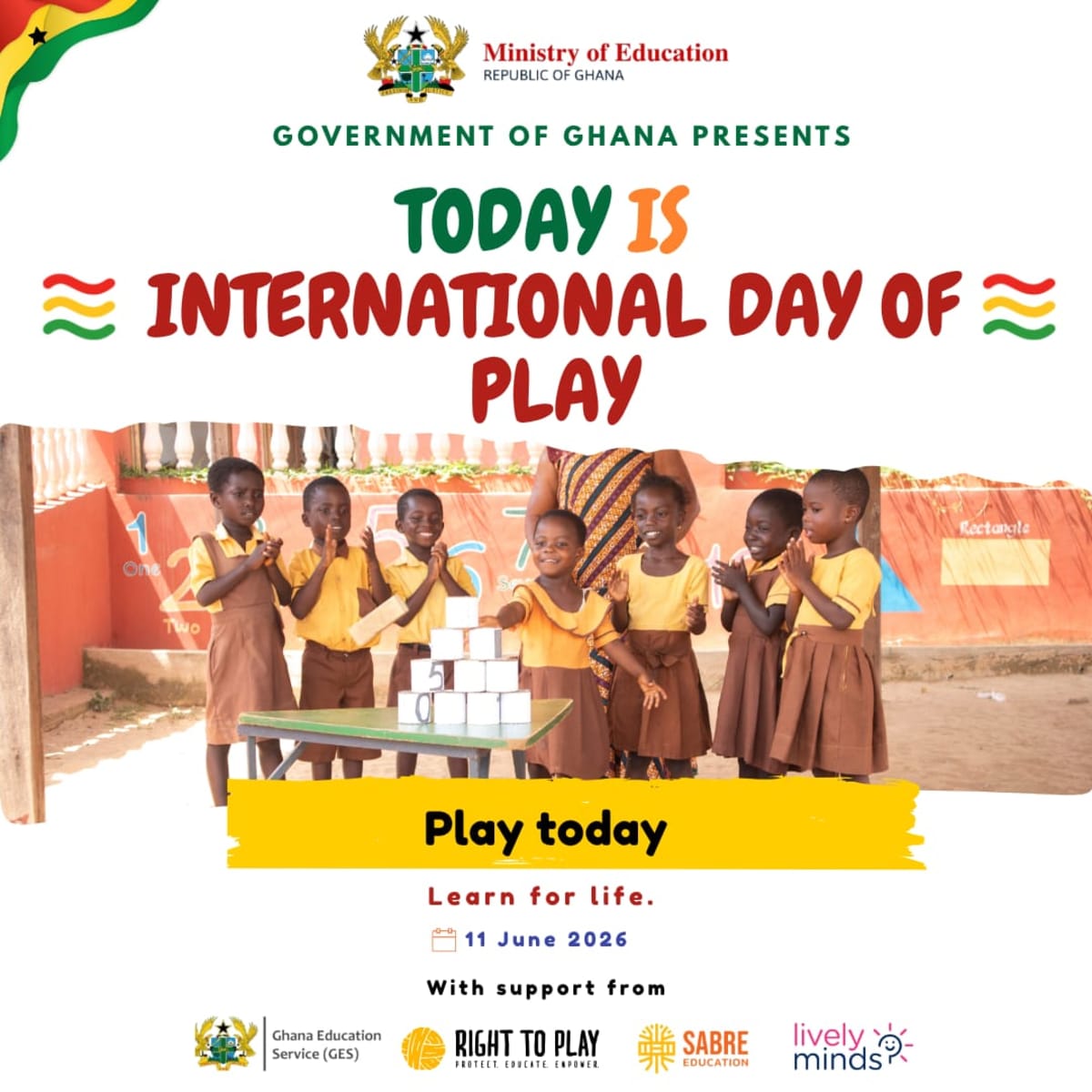
The Ministry of Education, working with partners Sabre Education, Lively Minds, and Right to Play, announced the nationwide expansion on International Day of Play. The initiative trains approximately 30,000 kindergarten teachers to deliver lessons through exploration, storytelling, games, movement, and creativity instead of traditional memorization.
Play-based learning lets children develop literacy, numeracy, communication, and problem-solving skills through hands-on activities. Research consistently shows this approach improves both academic performance and overall child development while building confidence, curiosity, resilience, and teamwork.
The timing matters deeply because brain development happens fastest during early childhood. Quality early education during these critical years sets the foundation for long-term learning success, making this reform a national priority.
The program ensures every child gets access to engaging and inclusive learning environments, regardless of where they live in Ghana. Teachers receive comprehensive training to align play-based methods with the national curriculum, creating consistency across all public kindergartens.
The Ripple Effect
The impact extends beyond classroom walls. Ghana is expanding a parental engagement model that strengthens learning at home through simple daily activities like storytelling, singing, counting objects, drawing, and conversation.
These everyday moments help improve children's language development, confidence, and school readiness while reinforcing what they learn at school. Parents and communities are encouraged to support teachers by attending PTA meetings and engaging actively with schools.
Communities can contribute by providing low-cost or no-cost learning materials like bottle tops, cardboard, fabric, sticks, clay, and containers for interactive classroom activities. This collaborative approach involves government, schools, parents, and communities working together to transform early education.
Officials emphasize that play isn't separate from learning but a core part of how young children naturally develop skills. By celebrating play as essential to education, Ghana joins a global movement to ensure every child gets the strongest possible start in life through joyful, inclusive learning experiences.
Based on reporting by Myjoyonline Ghana
This story was written by BrightWire based on verified news reports.
Spread the positivity!
Share this good news with someone who needs it