Giant Echidnas Roamed Victoria: 120-Year Mystery Solved
A museum researcher discovered a fossil fragment that had been sitting in storage for over a century, revealing giant echidnas once lived in Victoria. The detective work solved a mysterious gap in Australia's prehistoric record.
Sometimes the biggest discoveries are hiding right under our noses, waiting for the right person to notice them.
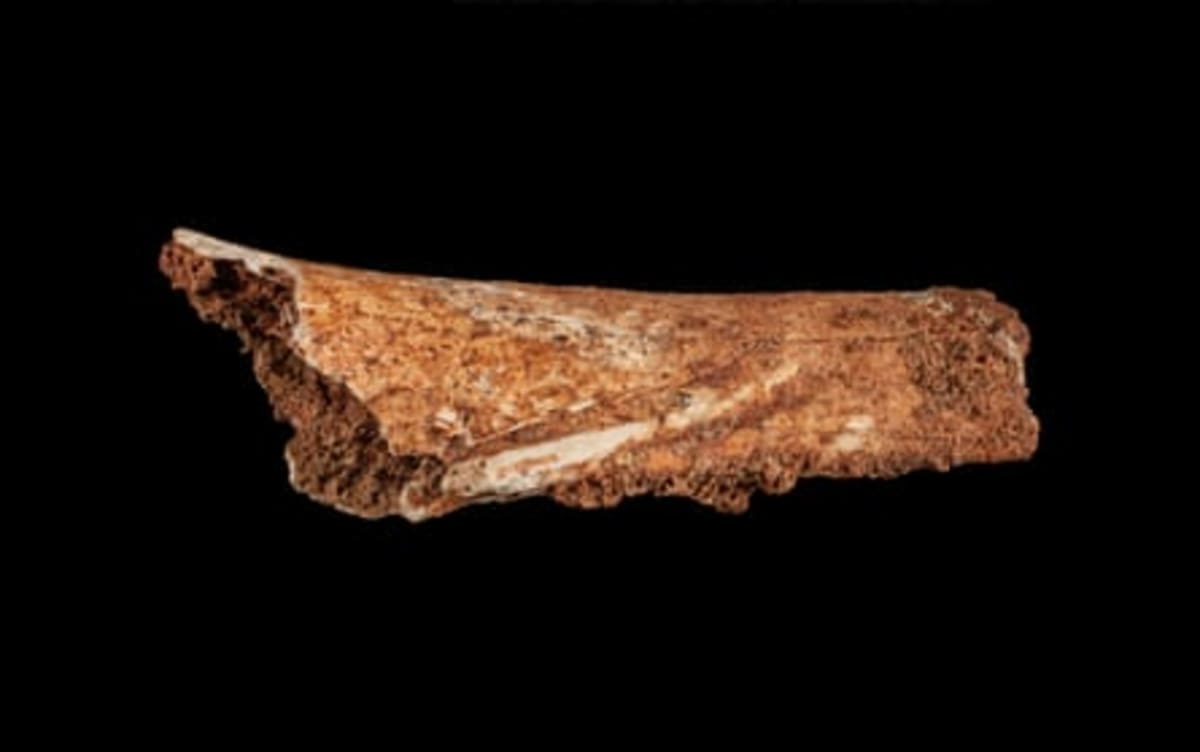
Tim Ziegler was sorting through a tray of unsorted fossils at Museums Victoria when a small bone fragment caught his eye. The piece, no longer than a finger, had been sitting in storage since 1907 when museum officer Frank Spry excavated it from Foul Air Cave in East Gippsland.
Most people had probably mistaken it for a small kangaroo bone. But Ziegler, the collection manager of vertebrate paleontology, noticed something special: the symmetry, the arch of a palate, and internal spaces that once carried air through the creature's nose.
"This is an echidna beak, and it's huge," Ziegler realized.
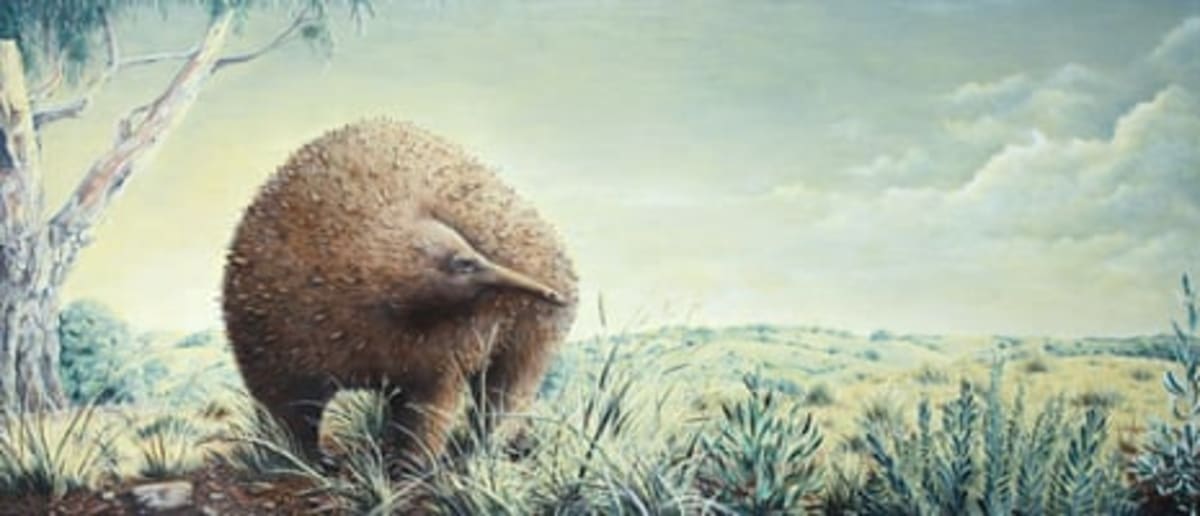
The fossil belonged to Owen's giant echidna, a prehistoric creature that lived during the Pleistocene epoch starting 2.5 million years ago. These animals grew up to 1 meter long and weighed 15 kilograms, about twice the size of modern Australian echidnas.
Scientists had found giant echidna fossils across Australia, from Western Australia to Tasmania. But Victoria was mysteriously absent from the map, leaving a puzzling 1,000 kilometer gap in the species' known range.
Ziegler spent years confirming his instinct. He created 3D scans of modern and fossil echidna specimens from museums nationwide, documented the evidence, and traced the fossil's history through archives.
The giant echidnas were powerful diggers with robust skeletons and prominent muscle scars. They likely tore through tree bark and dug deep into the ground hunting for buried larvae, beetles, and bogong moths in the forested landscapes of ice age Australia.
Why This Inspires
This discovery shows how curiosity and patience can unlock secrets that have been waiting decades to be told. Ziegler could have walked past that bone fragment like countless others did over 120 years.
Instead, he trusted his instincts and put in the hard work to prove what he suspected. His research, published in Alcheringa: An Australasian Journal of Palaeontology, filled in a missing piece of Australia's natural history.
The giant echidnas were there all along, and we just needed the right moment to recognize their presence.
More Images


Based on reporting by Google: fossil discovery
This story was written by BrightWire based on verified news reports.
Spread the positivity!
Share this good news with someone who needs it