Giant Magnet Could Save Earth From Asteroid Collisions
Scientists have designed a spacecraft using a powerful magnet to safely redirect dangerous asteroids without breaking them apart. This gentler approach could protect Earth while avoiding the risks of traditional methods that smash into space rocks.
Protecting Earth from asteroid impacts just got a brilliant new solution that sounds like science fiction but could become reality.
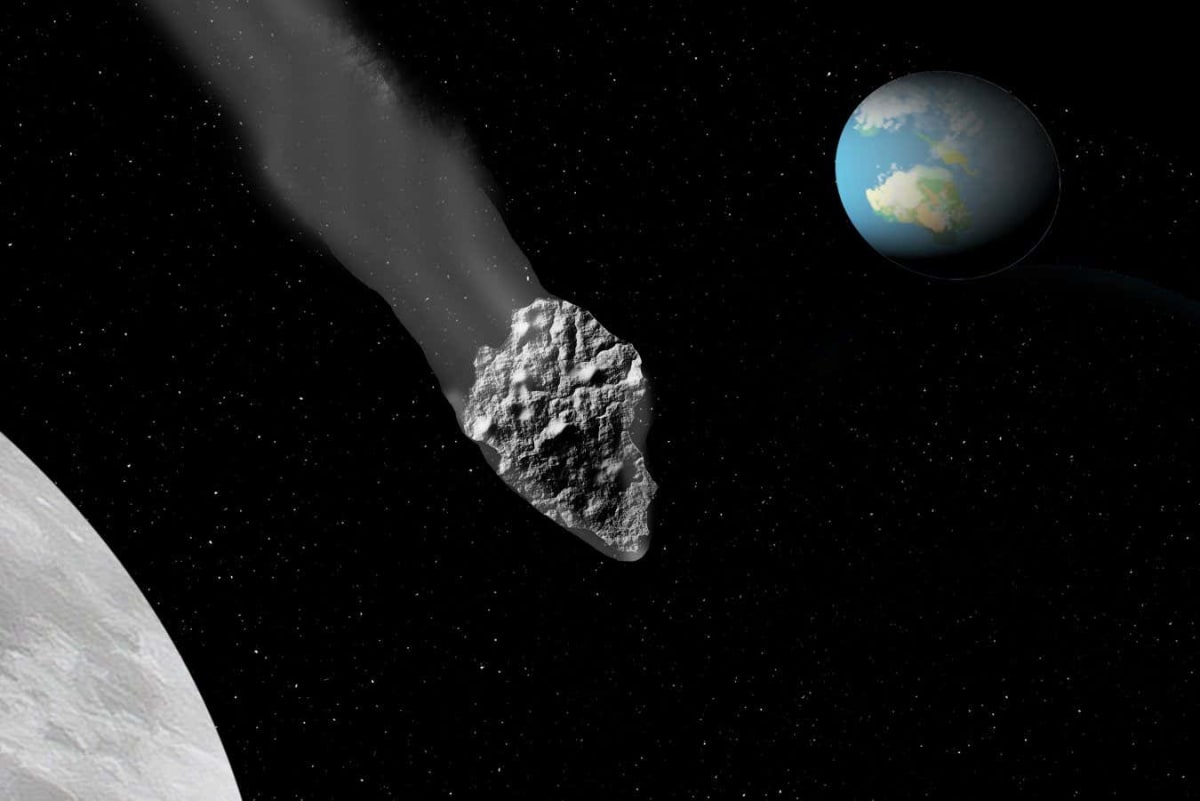
Researchers at the University of Alaska Fairbanks have developed a concept called NOVA (non-contact orbital velocity adjustment) that uses an enormous magnetic spacecraft to deflect dangerous asteroids. Unlike the traditional approach of smashing into space rocks, this method gently pulls them apart piece by piece.
The spacecraft would feature a 20-meter magnet made from superconducting wire, powered by a nuclear reactor. It would orbit just 10 to 15 meters from the asteroid, using magnetic force to extract iron-containing rocks from the space object.
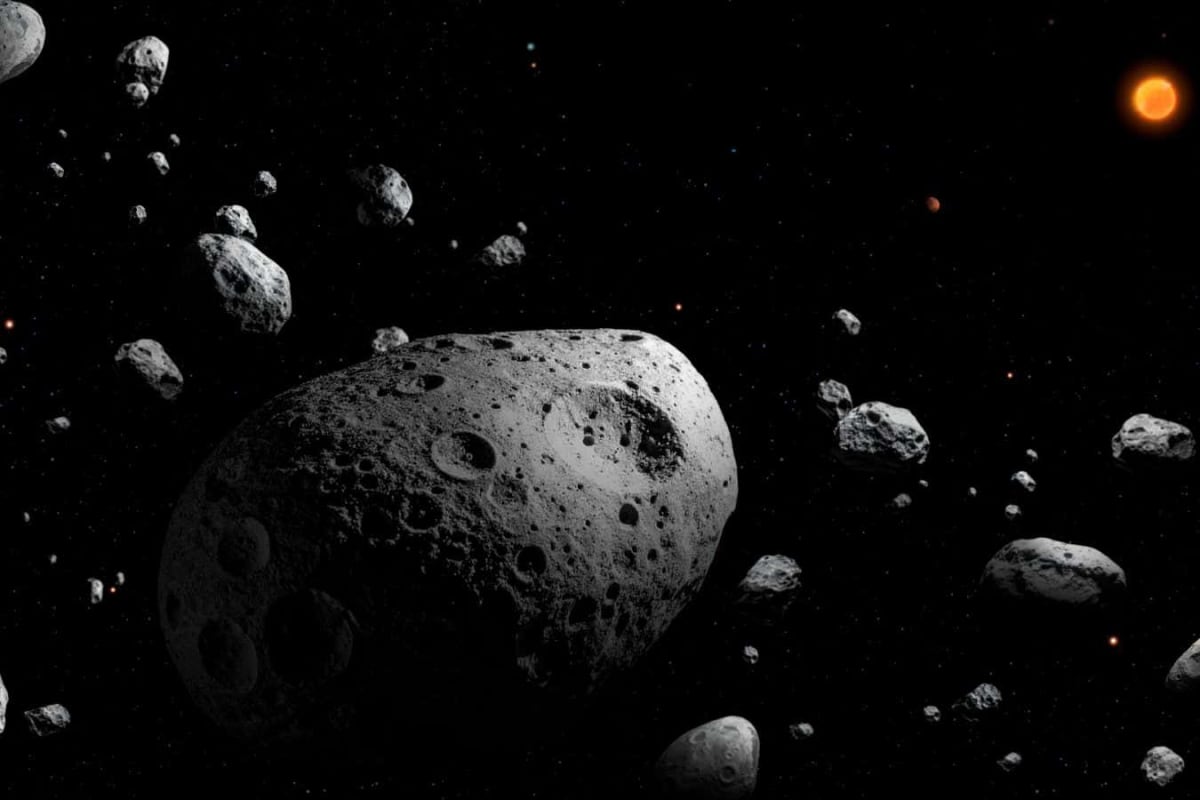
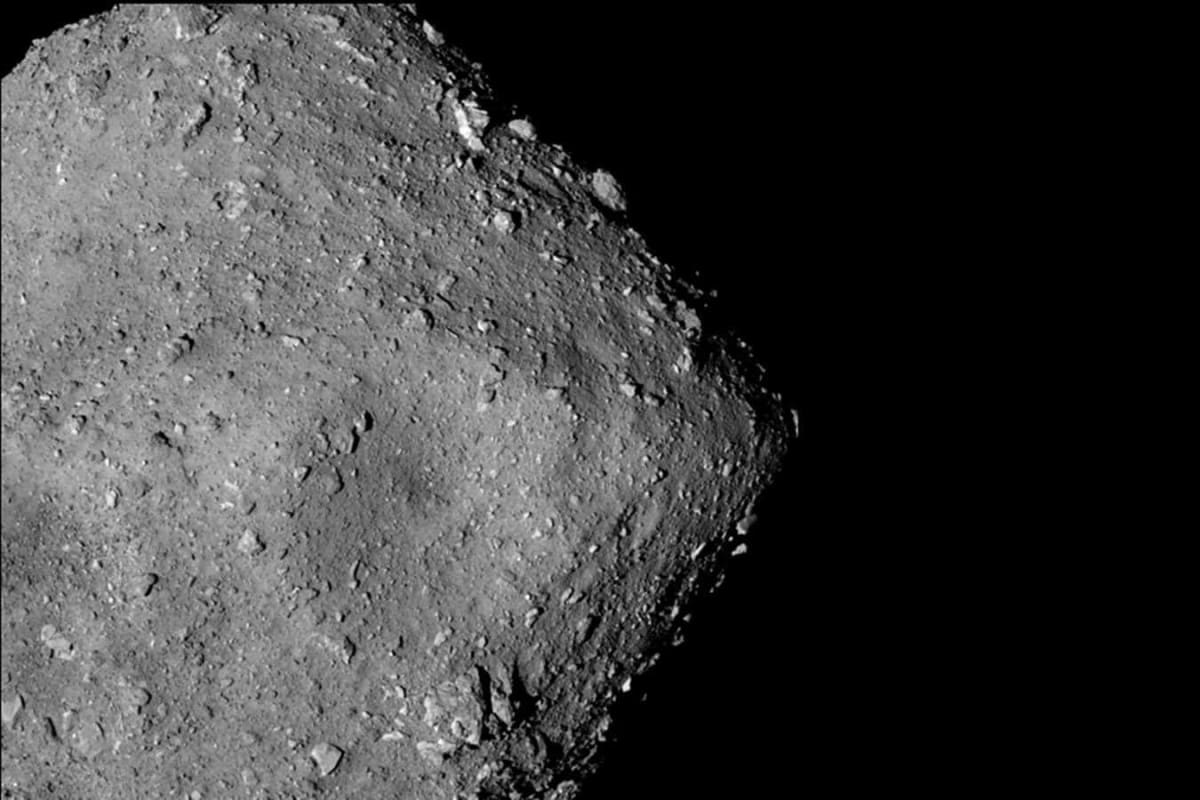
Here's the clever part: most asteroids are actually "rubble piles" of loosely connected rocks held together by weak gravity, not solid chunks. Hitting them with a kinetic impactor risks shattering them into countless dangerous fragments that could still rain down on Earth.
The NOVA spacecraft would slowly extract rocks from the pile and capture them in a magnetic trap at its center. Each rock collected would strengthen the spacecraft's magnetic field and mass, making the next extraction even easier.
Why This Inspires
This approach transforms a potential threat into a controlled situation. Instead of risking catastrophe by breaking an asteroid into unpredictable pieces, scientists would gradually shrink the original rock while building a second asteroid they can safely steer away from Earth.
Researcher Gunther Kletetschka tested the concept on asteroid 2024 YR4, a 70-meter space rock that briefly appeared to threaten Earth in 2032. His calculations showed the NOVA spacecraft would need about 170 days of continuous operation to fully deflect it.
The method still faces challenges. Scientists need to confirm asteroids contain enough iron for magnetic attraction, and keeping a spacecraft that close to a tumbling rock for months would require incredibly precise navigation.
But Kletetschka emphasizes that adding another tool to our planetary defense arsenal makes us safer, especially one with essentially zero risk of making the situation worse. Unlike explosive or impact methods that could backfire, the magnetic approach offers a gentler, more controlled solution.
As we discover more near-Earth asteroids every year, having multiple defense strategies becomes increasingly important.
This innovation shows how creative thinking about old problems can lead to breakthrough solutions that keep our planet safe.
More Images

Based on reporting by New Scientist
This story was written by BrightWire based on verified news reports.
Spread the positivity!
Share this good news with someone who needs it