Mars 'Spiderwebs' Hint Water Lasted Longer Than We Thought
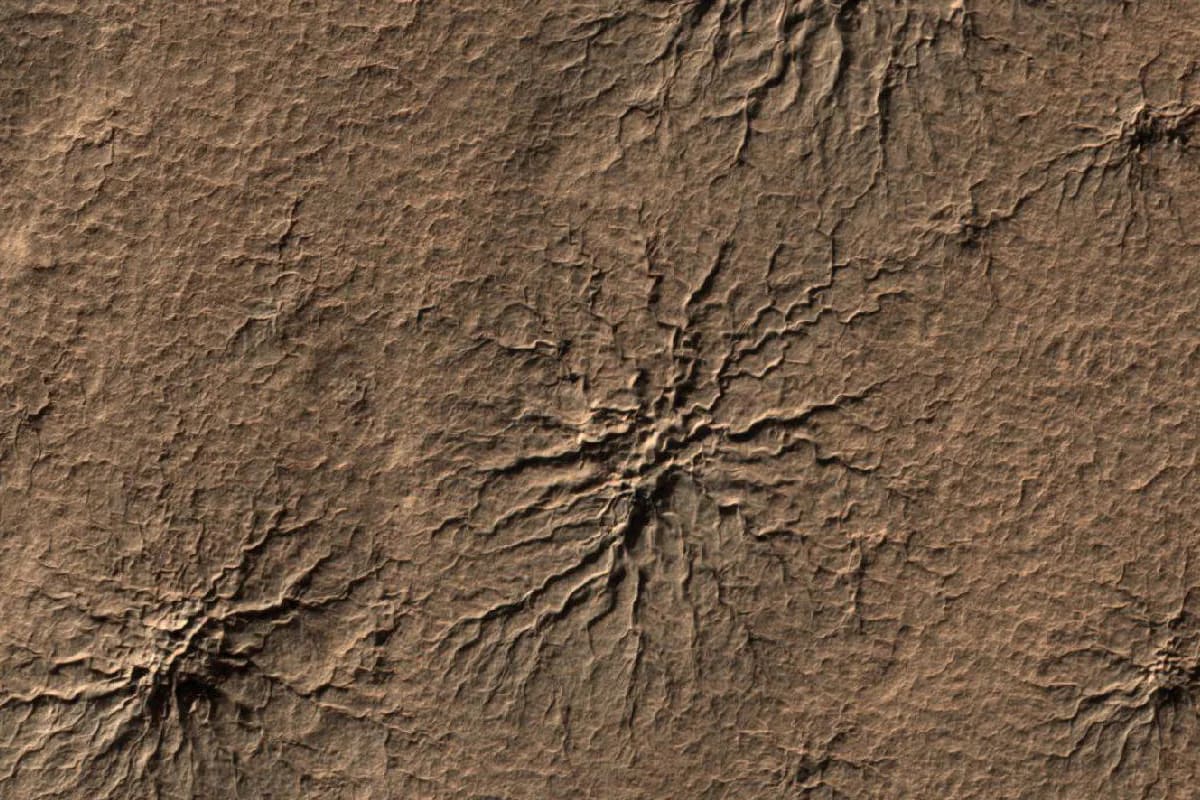
NASA's Curiosity rover just captured stunning new images of spiderweb-like formations on Mars that suggest liquid water existed on the Red Planet far longer than scientists believed. The discovery brings fresh hope in the search for ancient Martian life.
NASA's Curiosity rover has sent back its most detailed images yet of mysterious spiderweb patterns sprawling across the Martian surface, and the discovery could rewrite our understanding of when water disappeared from Mars.
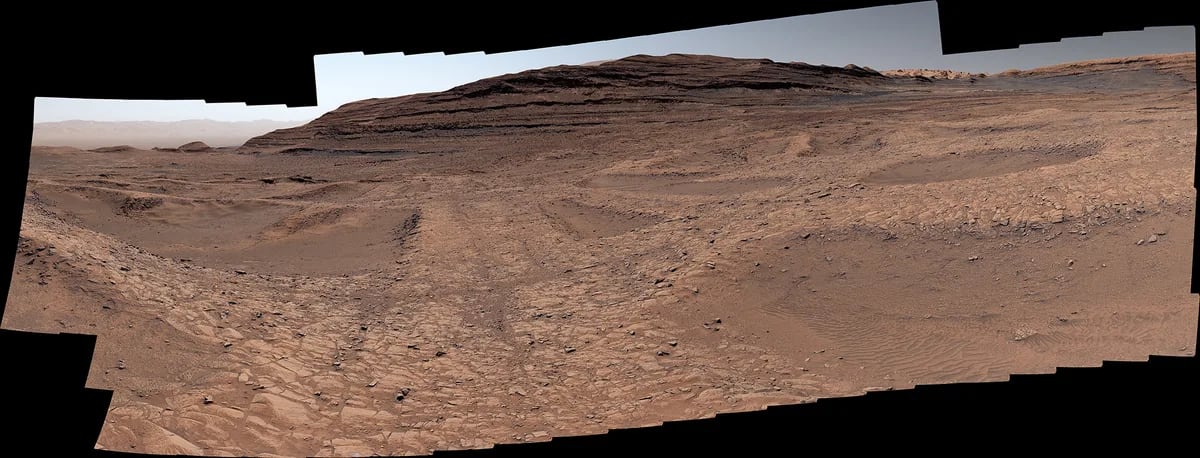
The formations, called boxwork, stretch for miles across the landscape like giant frozen spiderwebs. From orbit, they look like intricate lace patterns, but up close, the rover reveals them as ridges standing one to two meters high with hollows between them.
Scientists believe these structures formed billions of years ago when water flowed through cracks in Martian bedrock. Minerals from the water hardened into ridges while the surrounding rock slowly wore away, leaving behind these distinctive patterns.
Curiosity captured the new photographs while climbing Mount Sharp in Gale Crater last September. The rover's surface-level perspective gives researchers their first close look at features they've only studied from space until now.
What excites scientists most isn't just the formations themselves, but where Curiosity found them. "Seeing boxwork this far up the mountain suggests the groundwater table had to be pretty high," says Tina Seeger, one of the mission scientists leading the investigation.
That high water table means something crucial for the search for life. Liquid water could have persisted on this part of Mars much longer than previous orbital observations suggested.
The ridges also feature bumpy nodules that likely formed as minerals remained behind when ancient groundwater dried out. Researchers are still puzzling over why these nodules appear in certain spots, though they suspect multiple episodes of groundwater may have created them over time.
Why This Inspires
This discovery reminds us that Mars still holds secrets waiting to be uncovered. Every new image from Curiosity adds another piece to the puzzle of whether life once thrived on our neighboring planet.
The fact that water may have lasted longer than we thought means microorganisms would have had more time to evolve and survive. Each discovery brings us closer to answering one of humanity's biggest questions: Are we alone?
As Curiosity continues its journey up Mount Sharp, these intricate spiderweb formations will help scientists understand not just when water existed on Mars, but for how long and in what quantities. The answers could reshape our entire understanding of the Red Planet's ability to support life.
More Images

Based on reporting by Google: NASA discovery
This story was written by BrightWire based on verified news reports.
Spread the positivity!
Share this good news with someone who needs it