Giant Radio Telescope Tracks Artemis 2 Crew Around Moon
A massive West Virginia telescope tracked NASA's Artemis 2 spacecraft around the moon with stunning precision, pinpointing four astronauts from over 213,000 miles away. The breakthrough shows how ground-based telescopes can support future space missions.
Imagine tracking a car's speed to within a thousandth of a mile per hour while it drives on the other side of the planet.
That's essentially what the Green Bank Telescope in West Virginia just pulled off, except the "car" was NASA's Artemis 2 spacecraft carrying four astronauts around the moon. For five days straight, the massive radio telescope followed Orion's journey through space, measuring its movements with jaw-dropping accuracy from more than 200,000 miles away.
The telescope stands 485 feet tall and weighs 17 million pounds, making it the largest moving structure on land. Its dish alone covers 2.3 acres, roughly the size of two football fields.
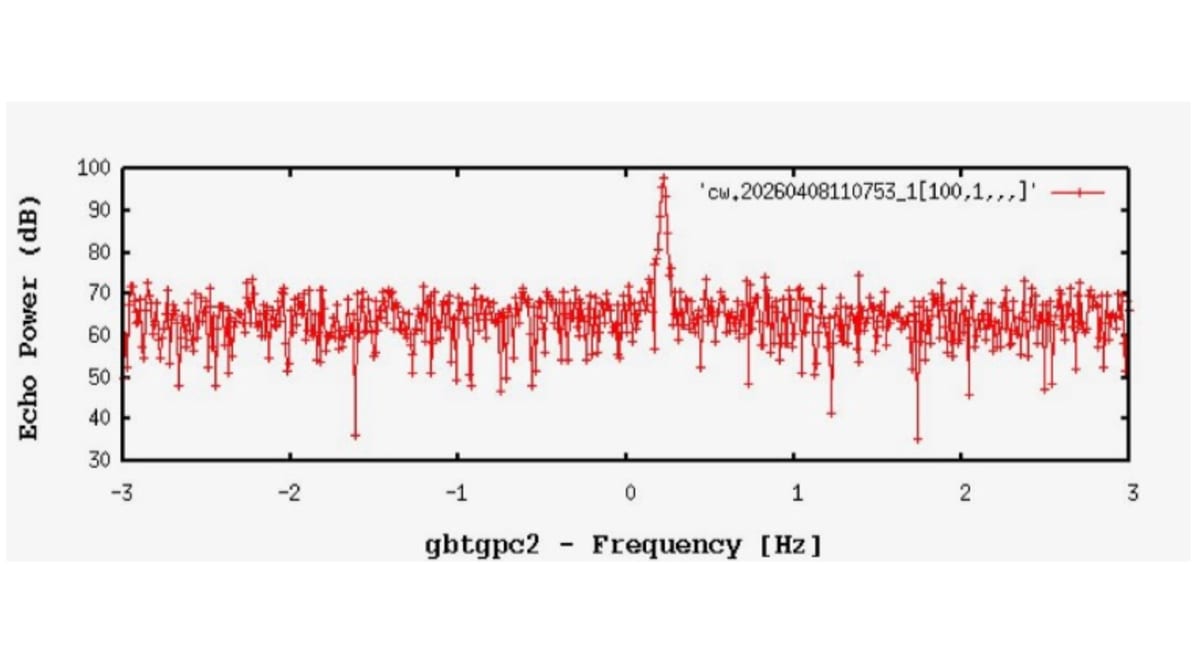
That size paid off during Artemis 2's historic mission. The telescope tracked the spacecraft's movement within 0.2 millimeters per second of NASA's own calculations.
"It's like having a speedometer in your car that can track your speed within 0.0004 decimal places per hour," explained Anthony Remijan, the observatory's site director.
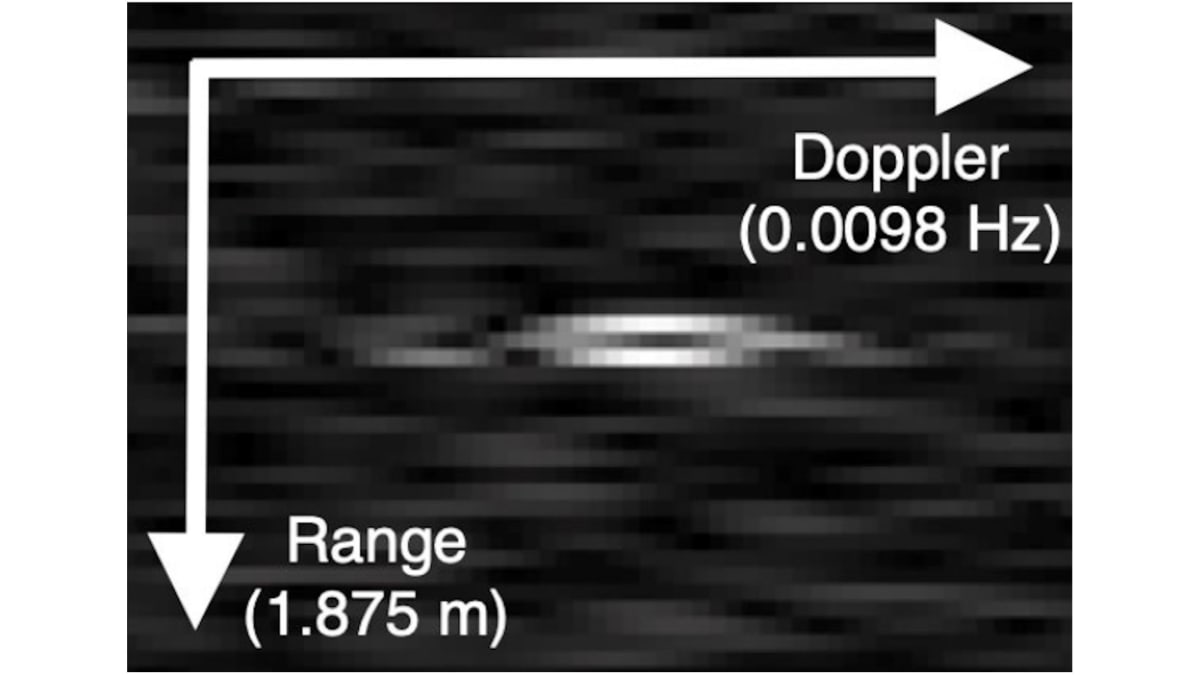
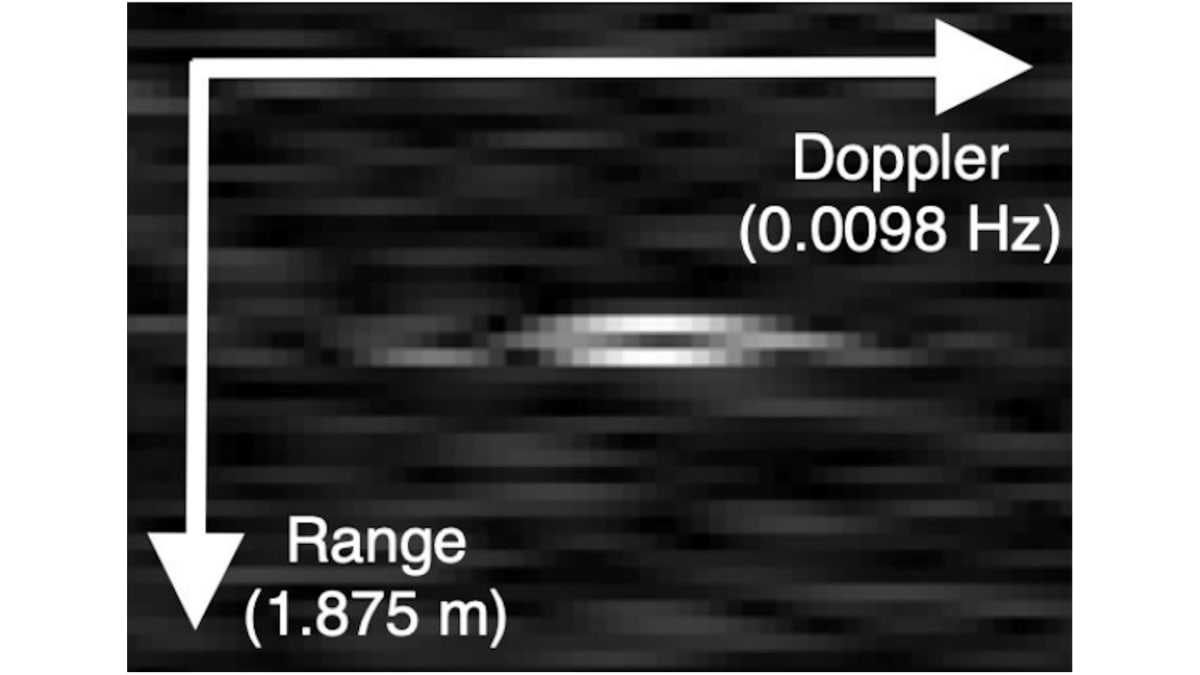
The team even captured a pixelated image of Orion when it was 213,000 miles from Earth. While the image looks fuzzy to our eyes, it represents something profound.
"There are four people in those pixels," said Will Armentrout, a scientist at the observatory, during a presentation to colleagues.
The Ripple Effect
This successful tracking run opens doors for future space exploration. The National Science Foundation says the telescope can now support both NASA missions and commercial space companies, offering precise tracking capabilities that complement other monitoring systems.
The Green Bank Telescope already proved its worth in 2022 when it provided radar support for NASA's DART mission. That groundbreaking test successfully knocked an asteroid off course, demonstrating humanity's ability to defend Earth from dangerous space rocks.
"Being able to offer inter-agency support to our colleagues at NASA makes the most of all our capabilities," said Linnea Avallone, NSF chief officer for research facilities.
The partnership between ground-based observatories and space agencies creates a more robust network for monitoring spacecraft. As more missions venture deeper into space and commercial spaceflight expands, having multiple tracking systems ensures safety and precision.
The successful Artemis 2 mission marked humanity's return to the moon after decades, and knowing that Earth-based telescopes can monitor these journeys with such accuracy makes future missions safer for everyone aboard.
More Images

Based on reporting by Space.com
This story was written by BrightWire based on verified news reports.
Spread the positivity!
Share this good news with someone who needs it