Giant Tortoises Return to Galapagos After 150 Years
After nearly 150 years of absence, giant tortoises are back on Floreana Island in the Galapagos. Ecuador just released 158 young tortoises as the first wave of a bold plan to restore an ecosystem shaped by these gentle giants.
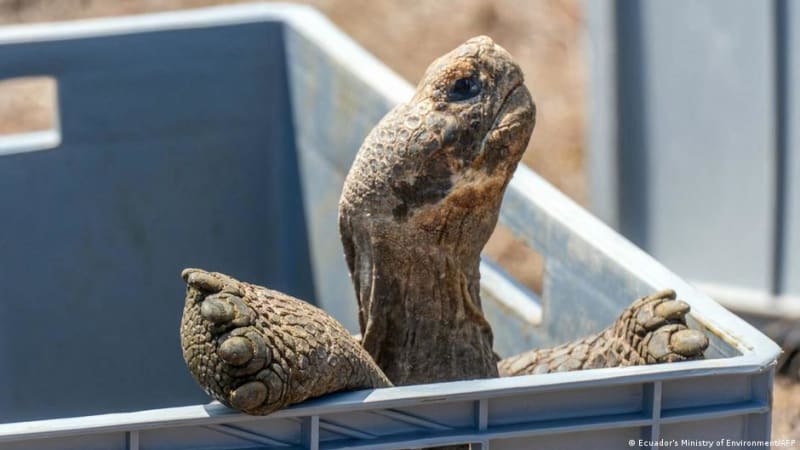
For the first time in over a century, giant tortoises are roaming Floreana Island again. Ecuador's environment ministry released 158 juvenile tortoises this week, marking a historic moment for one of the world's most unique ecosystems.
The species vanished from Floreana in the 1800s, wiped out by whaling, invasive species, and human activity. Now, these young tortoises between 8 and 13 years old are setting out to reclaim the island their ancestors once called home.
These aren't random tortoises plucked from other islands. Scientists bred them at a Galapagos National Park facility using animals that carry between 40% and 80% of the original Floreana species' genetic makeup. It's a careful effort to bring back not just any giant tortoises, but the specific lineage that belongs to this island.
The timing couldn't be better. Seasonal rains are creating perfect conditions for the tortoises to settle in and start exploring. Officials chose juveniles large enough to survive in the wild and defend themselves against predators.
Their job description? Ecosystem engineer. Giant tortoises scatter seeds as they move, regulate vegetation by munching on plants, and help entire habitats regenerate naturally. Without them, Floreana's ecosystem has been missing a crucial piece for generations.
The Ripple Effect
This release is just the beginning. Ecuador plans to reintroduce 700 tortoises total to Floreana, gradually rebuilding a population that can sustain itself for centuries. Adult Galapagos tortoises can weigh over 550 pounds and live up to 175 years, meaning these young pioneers could still be reshaping the island in the year 2200.
The project extends beyond tortoises too. Researchers are working to bring back 12 other species native to Floreana as part of a massive rewilding initiative. Each species plays its own role in restoring balance to an ecosystem disrupted nearly two centuries ago.
For Floreana's small human community, the return feels deeply personal. Local resident Veronica Mora called it a source of collective pride, watching a years-long dream finally become reality. The island now hosts both people and wildlife working toward a shared future.
Challenges remain, particularly from invasive species that still threaten the ecosystem. But conservationists see this moment as proof that even centuries of damage can begin to heal with dedication and science.
The tortoises are home, and they're just getting started.
More Images

Based on reporting by DW News
This story was written by BrightWire based on verified news reports.
Spread the positivity!
Share this good news with someone who needs it