Giant Underground Air Battery Runs 50 Years Without Decay
A Canadian company turned solid bedrock 2,000 feet underground into a massive mechanical battery that stores clean energy for decades. The technology sidesteps the environmental problems of lithium batteries entirely.
Deep beneath the earth's surface, compressed air is now doing what toxic metals once did: storing renewable energy for when we need it most.
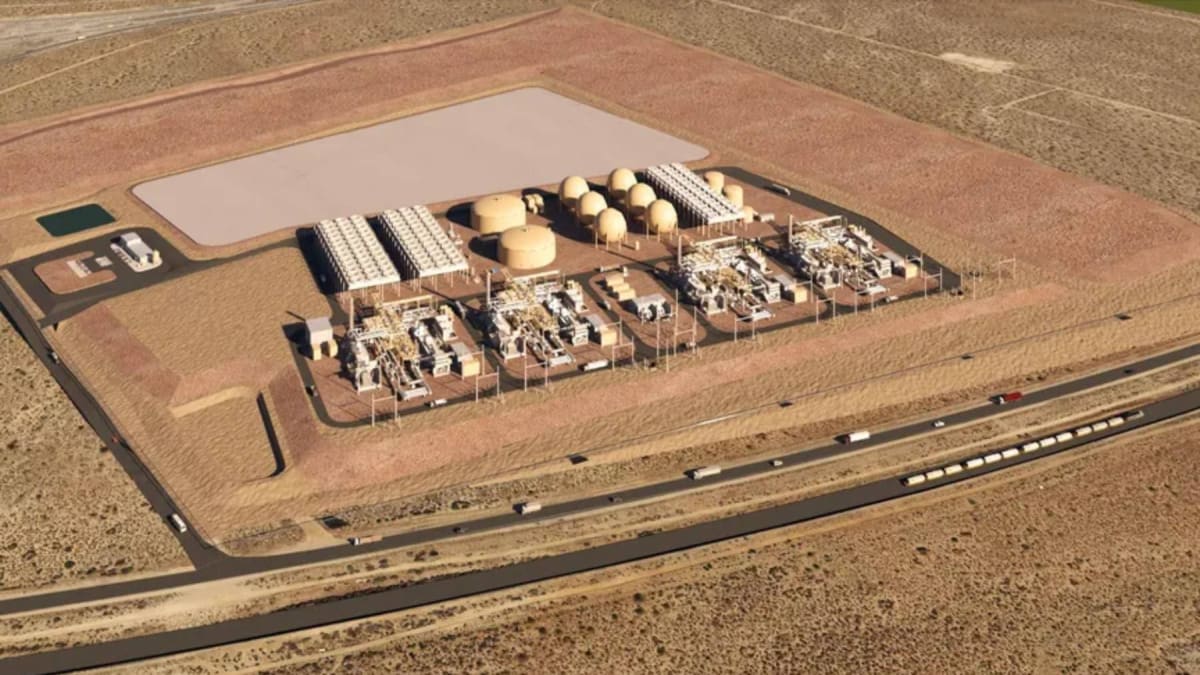
Hydrostor has engineered a breakthrough energy storage system that transforms underground rock caverns into giant mechanical batteries. Their Advanced Compressed Air Energy Storage technology solves one of clean energy's biggest headaches without mining a single ounce of lithium, cobalt, or nickel.
Here's how it works. When solar panels and wind turbines produce excess electricity, powerful compressors push air 2,000 feet down into carved bedrock caverns. The compressed air forces water out of the cavern and up into a surface reservoir, locking energy deep in the geology.
When the grid needs power, gravity pulls the water back down. The falling water pushes compressed air up through a thermal management system, where it expands rapidly and spins industrial turbines to generate electricity.
The system runs on rock, water, and air. No rare minerals. No toxic chemicals. No international supply chain drama.
Traditional lithium battery grids face mounting problems as they scale up. Mining critical minerals tears up ecosystems. Manufacturing batteries consumes enormous energy. After ten years of hard use, performance drops significantly.
Hydrostor's rock caverns are designed to operate for over 50 years without losing capacity. The facilities use materials found almost everywhere on Earth, giving countries energy independence they can't get from mineral-dependent batteries.
The timing couldn't be better. Global electricity demand has jumped 50% in just the past decade, driven by population growth, industrial electrification, AI data centers, and increased air conditioning use. Annual consumption now exceeds 30,000 terawatt hours.
Solar and wind farms are expanding rapidly to meet this surge, but their intermittent nature creates grid stability problems. Storage systems must bridge the gap between when clean energy is generated and when it's actually needed.
The Ripple Effect
Hydrostor's mechanical batteries prove that the next generation of energy storage doesn't have to repeat the environmental mistakes of the last. By using geology instead of chemistry, the technology makes clean energy storage truly sustainable from start to finish.
Countries without domestic mineral reserves can now build massive storage capacity using local bedrock. Communities near A-CAES facilities avoid the ecosystem damage that comes with mining operations. Grid operators get reliable storage that lasts five times longer than chemical alternatives.
The underground caverns are already demonstrating that renewable energy can be both powerful and practical, stored safely in the same ancient rock that's held steady beneath our feet for millions of years.
More Images



Based on reporting by Google News - Clean Energy
This story was written by BrightWire based on verified news reports.
Spread the positivity!
Share this good news with someone who needs it