Giant Virus May Reveal How Complex Life Began on Earth
Scientists in Japan discovered a virus that rewrites its host cell's nucleus, offering fresh clues about one of evolution's biggest mysteries: how simple cells became complex life. The finding helps explain how plants, animals, and humans may have evolved their most important feature.
A virus pulled from a Tokyo pond is helping scientists understand how life got complicated.
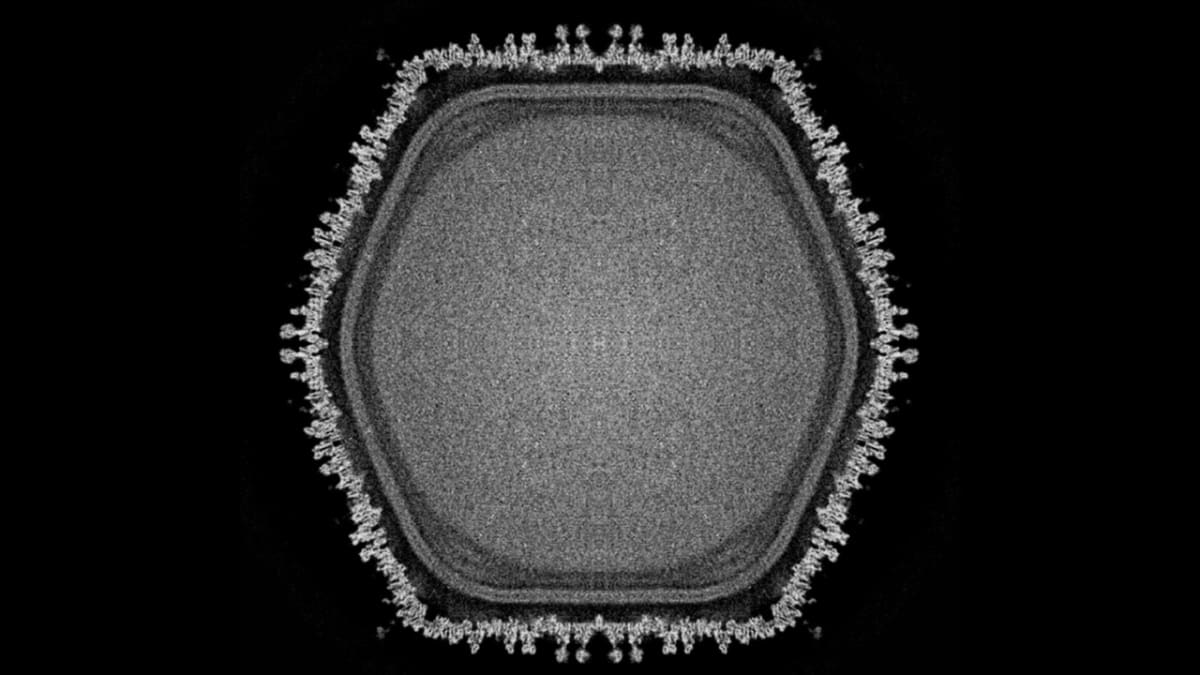
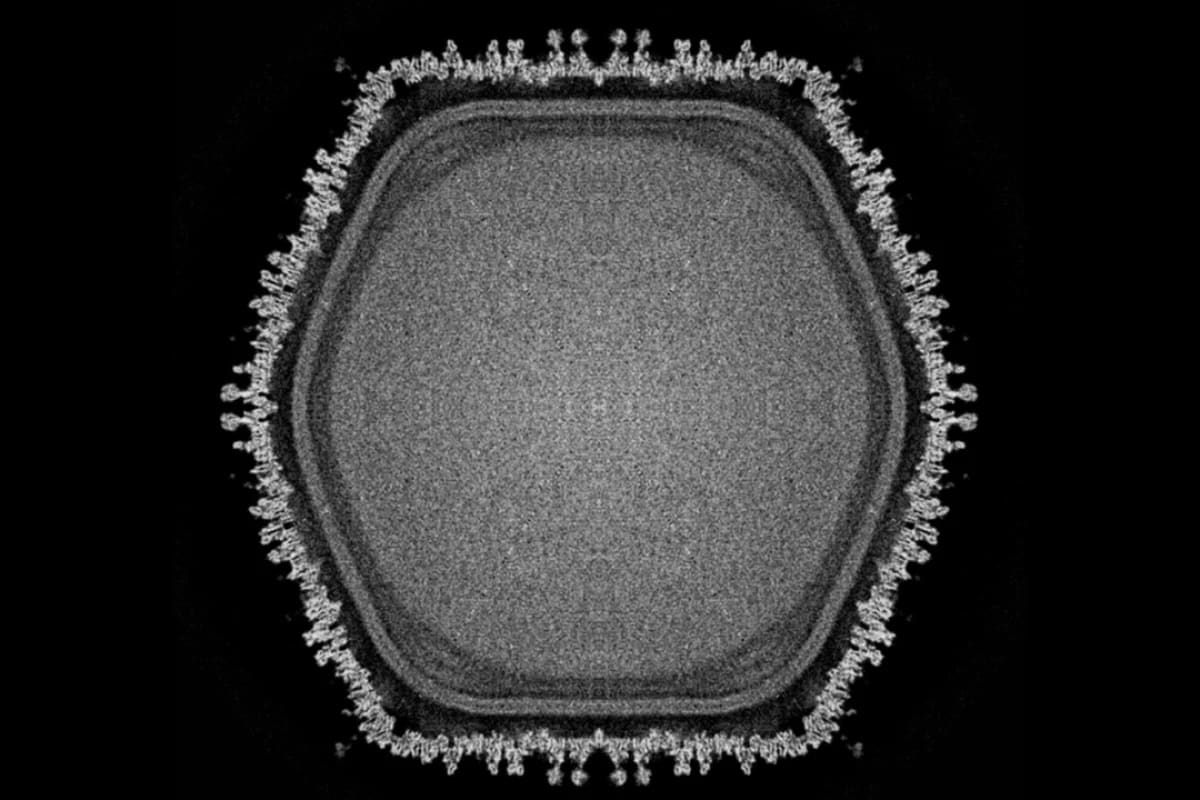
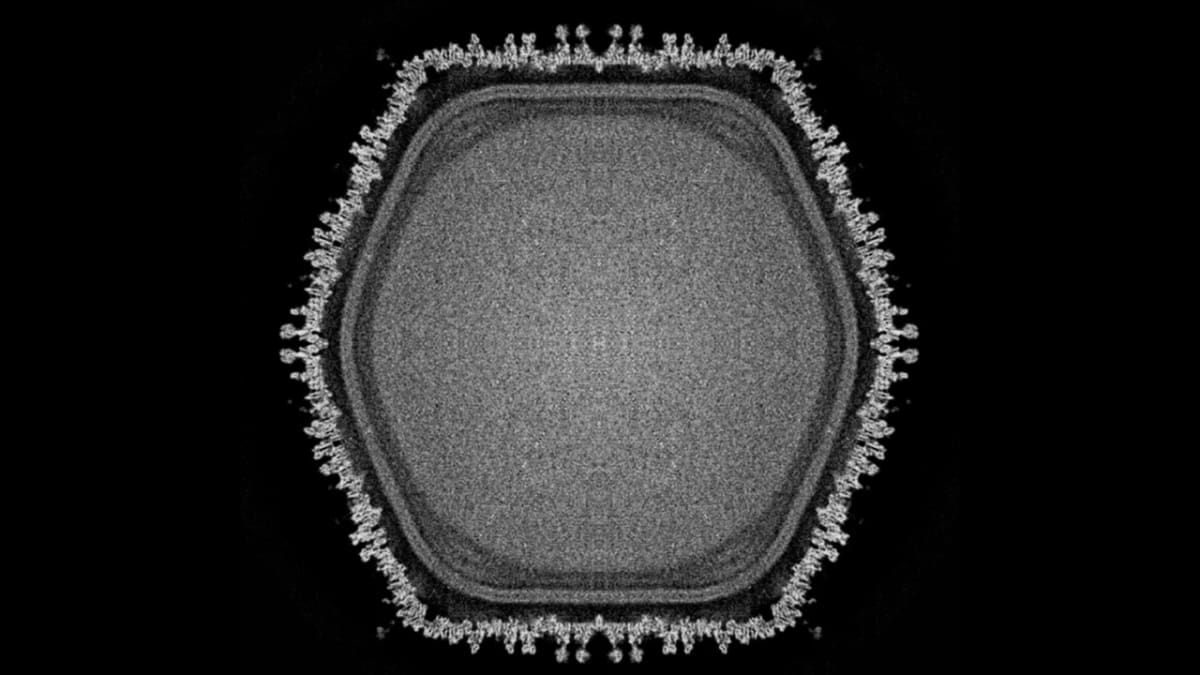
Researchers discovered ushikuvirus, a giant virus that infects amoebas in surprising ways. Unlike typical viruses, it carries genes similar to complex organisms and interacts with one of the most important structures in advanced cells: the nucleus.
The nucleus is what separates simple bacteria from complex life like plants, animals, and humans. Scientists have long wondered how this critical structure first evolved. This new virus might hold part of the answer.
Ushikuvirus does something unusual when it infects its host. It completely destroys the host's nuclear membrane and builds its own "virus factory" in the former nuclear space. That's a different strategy than its close relatives use, and the contrast is teaching scientists how viruses and complex cells may have evolved together.
"Ushikuvirus encodes eukaryote-like proteins such as full-set of histones but has an interestingly different mechanism to replicate its genome," explained lead researcher Masaharu Takemura. Histones are proteins that help organize DNA, a feature typically found only in complex life.
The virus joins an ongoing scientific debate. Some researchers believe an ancient virus infection may have triggered the evolution of the nucleus itself. While ushikuvirus doesn't prove that theory, it provides new evidence about how viruses and cells have influenced each other over billions of years.
The discovery also creates a new family on the tree of life. Ushikuvirus and its newly identified relatives form their own distinct branch, refining scientists' understanding of how giant viruses evolved and diversified.
Why This Inspires
This research shows how a single pond in Japan can unlock secrets about life's biggest transformations. Every environmental sample collected brings scientists closer to understanding our own origins.
The team's next step involves searching for more related viruses in nature. Each discovery helps fill in the evolutionary story of how simple cells became the complex organisms that eventually led to human life.
Giant viruses were only discovered two decades ago, yet they've already changed fundamental ideas about biology. This finding reminds us that major scientific breakthroughs often come from unexpected places, and that the natural world still holds countless secrets waiting to be discovered.
The work demonstrates how patient observation and careful comparison can illuminate questions that have puzzled humanity for generations.
Understanding how complexity emerged from simplicity isn't just academic curiosity: it's the story of how we came to be.
More Images

Based on reporting by New Atlas
This story was written by BrightWire based on verified news reports.
Spread the positivity!
Share this good news with someone who needs it