Glasgow Doctor Teaches NASA How to Save Lives in Space
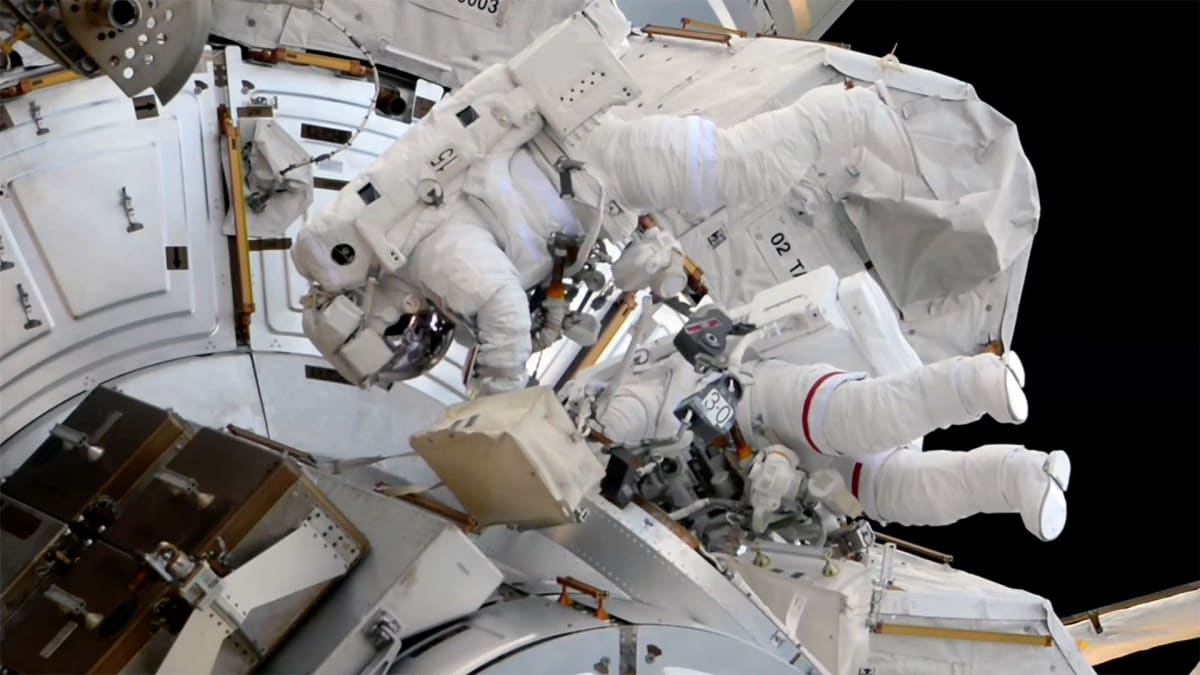
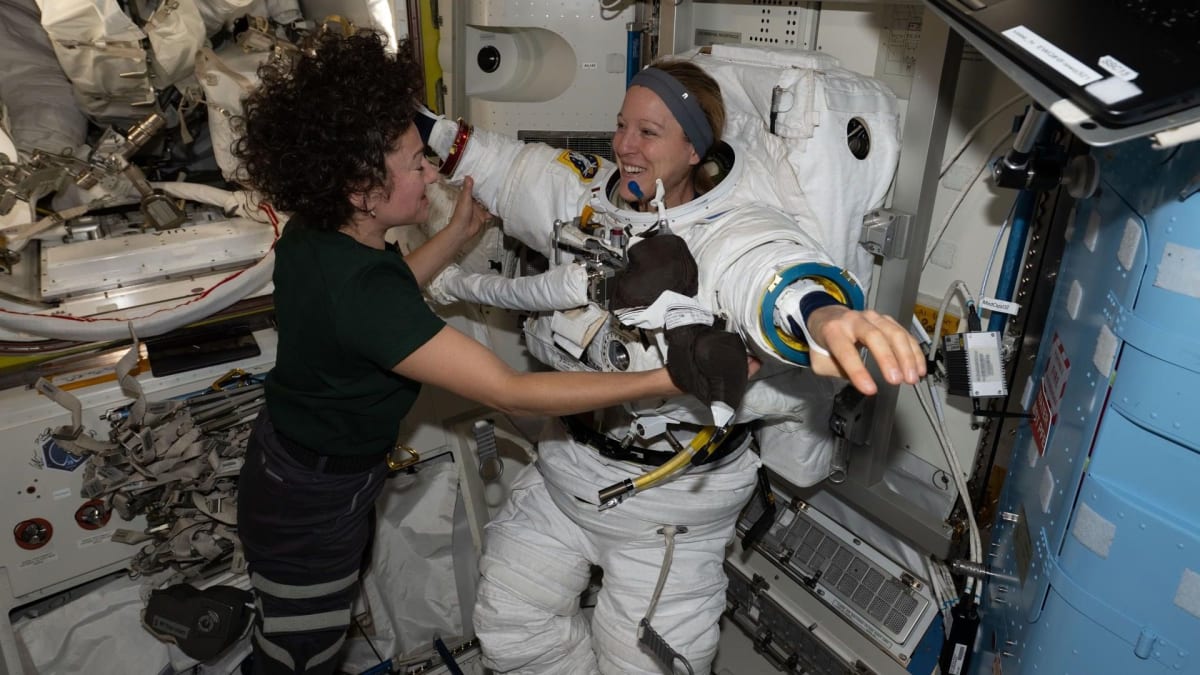
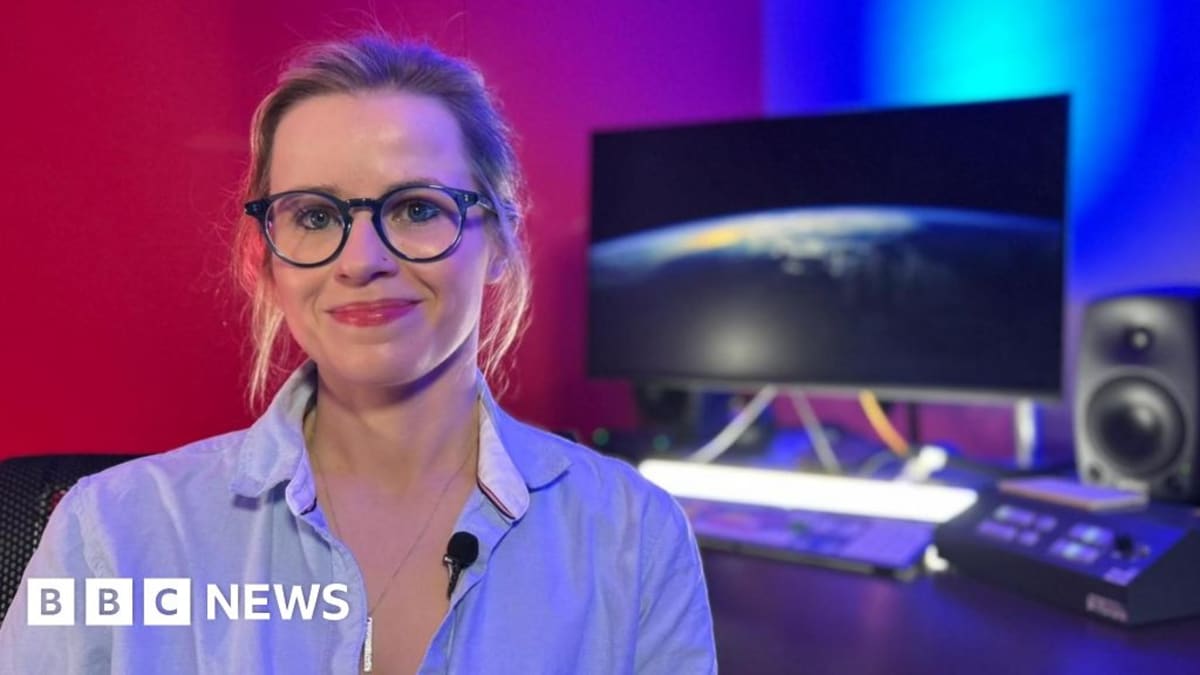
A Scottish emergency room doctor is revolutionizing space medicine by teaching astronauts life-saving techniques for missions to the Moon and Mars. Dr. Christina Mackaill's work is preparing both space travelers and Earth-based doctors for humanity's next giant leap.
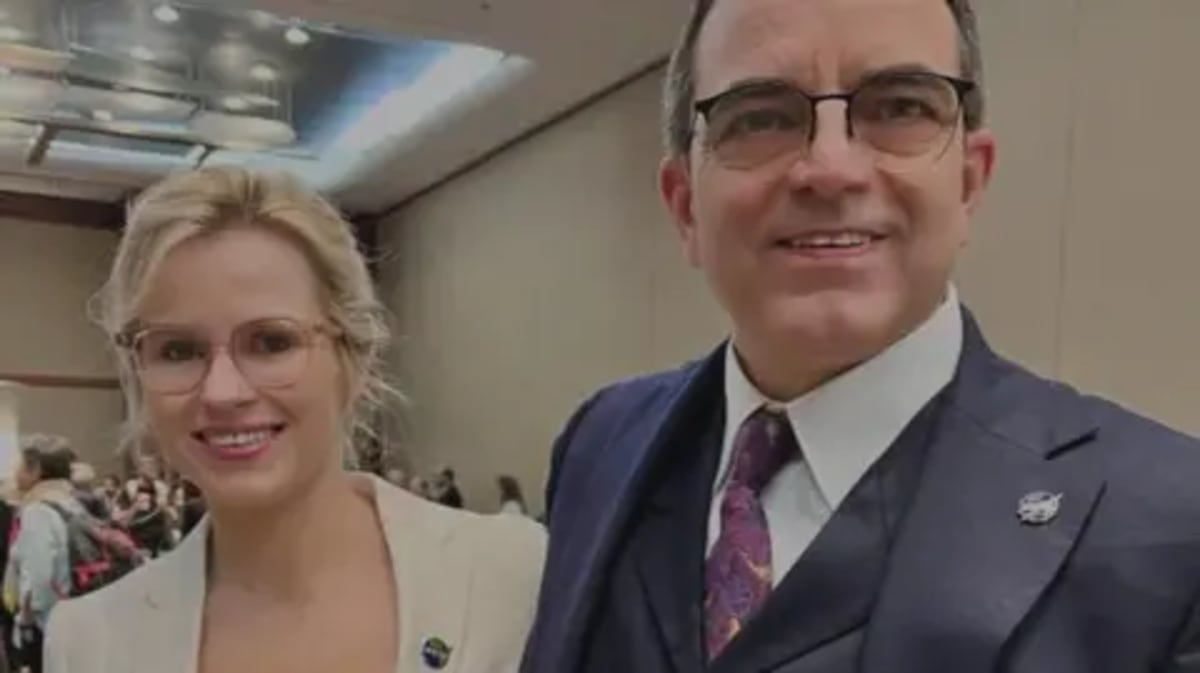
When Dr. Christina Mackaill isn't treating patients in a Glasgow emergency room, she's solving medical puzzles that most doctors never consider: how do you perform CPR when there's barely any gravity?
The 35-year-old physician has spent the past decade working with NASA to answer questions like these. Her groundbreaking research tackles a challenge that becomes more urgent with every space mission: keeping astronauts alive when the nearest hospital is millions of miles away.
Mackaill developed the Mackaill-Russomano method, a specialized CPR technique designed for the Moon and Mars. Traditional chest compressions don't work in low gravity because rescuers can't generate enough force without floating away. Her method compensates for reduced body weight and gives astronauts the stability they need to deliver effective chest compressions on another world.
The timing couldn't be better. With the recent Artemis II mission and commercial space flights becoming reality, more people will venture beyond Earth than ever before. Unlike missions to the International Space Station, trips to Mars won't allow for emergency evacuations back home.
That means astronauts need to become their own doctors, surgeons, and emergency responders. Mackaill has been training them for exactly that scenario, presenting her techniques to both NASA and the European Space Agency.
Why This Inspires
What makes Mackaill's work truly groundbreaking is how it bridges two worlds. She's not just preparing astronauts for space; she's educating emergency departments across Earth about what happens when those space travelers come home.
Astronauts lose about 15% of their blood volume in space. Their bones become more fragile, their immune systems weaken from radiation exposure, and fluid shifts can even change their vision. A doctor treating a returned astronaut for a car accident needs to know these changes, or they could accidentally cause harm by following standard protocols.
Working with NASA's chief health officer Dr. James Polk, Mackaill has developed guidelines that could soon become essential reading in emergency rooms worldwide. The guidelines explain how space changes human physiology and how to adjust treatment accordingly.
Her vision extends beyond professional astronauts. As commercial space flights open up, tourists with far less medical screening will venture into orbit. The preventive medicine strategies she's developing today could save lives tomorrow.
After founding Scotland's first space medicine society in 2016, Mackaill has watched her niche field grow into something vital. She admits that watching the Artemis II crew return from the Moon, overwhelmed by what they witnessed, makes her dream of going herself.
Space medicine is no longer science fiction, and thanks to pioneers like Mackaill, humanity is finally catching up to its own ambitions.
More Images

Based on reporting by BBC Science
This story was written by BrightWire based on verified news reports.
Spread the positivity!
Share this good news with someone who needs it