Global Climate Cooperation Thrives Despite Political Turbulence
International climate action has quietly become one of the most successful examples of global cooperation over the past 30 years, cutting projected temperature rise in half and growing clean energy investment by 600%. Despite major powers stepping back, middle countries and coalitions are proving that transformational cooperation still works in our fragmented world. ---
The world just proved that countries can still solve big problems together, even when major powers walk away from the table.
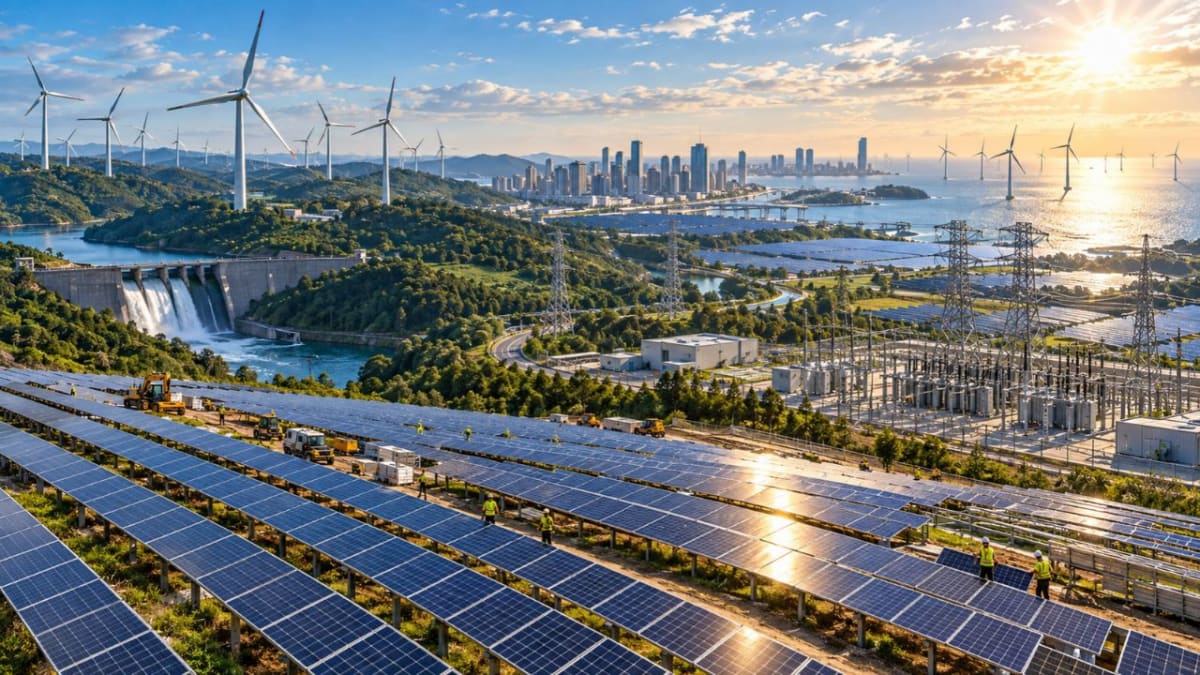
Over the past three decades, international climate cooperation has cut projected global temperature rise by half while growing clean energy investment by 600%. Renewable energy now generates more electricity worldwide than coal, and developing countries have received over $800 billion in climate assistance since 2013.
What makes this remarkable is that the United States, despite producing 26% of world output, has been absent or actively hostile to climate agreements for 16 of the past 30 years. Yet progress continued anyway.
The secret lies in a new model of cooperation. Instead of waiting for superpowers to lead, coalitions of middle powers stepped up. The European Union, vulnerable island nations, and developing countries formed the "High Ambition Coalition" that drove stronger commitments at major climate summits in Paris and Glasgow.
Individual countries also punched above their weight. South Africa brokered the Durban Mandate that created the legally binding Paris Agreement. The UAE delivered a landmark global energy transition deal in 2023.
Beyond formal treaties, the climate movement built an impressive network of practical partnerships. Over 470 initiatives now help countries prepare climate plans, reform development banks, and share technology. Cities, businesses, and civil society groups created their own coalitions when national governments moved too slowly.
The results show up in real money and real action. Development banks tripled their climate financing to developing countries, reaching $85 billion annually by 2024 with commitments to hit $120 billion by 2030. Over 50 countries joined the Powering Past Coal Alliance to phase out coal power together.
A coalition of 400 national development banks controlling $23 trillion in assets is now aligning their investments with climate goals. New international climate funds emerged from the EU, China, Japan, and UAE to speed the transition.
The Ripple Effect
This cooperative model offers hope far beyond climate change. It shows that when traditional power structures fragment, determined coalitions of countries can still tackle global challenges through shared goals, practical partnerships, and mutual support.
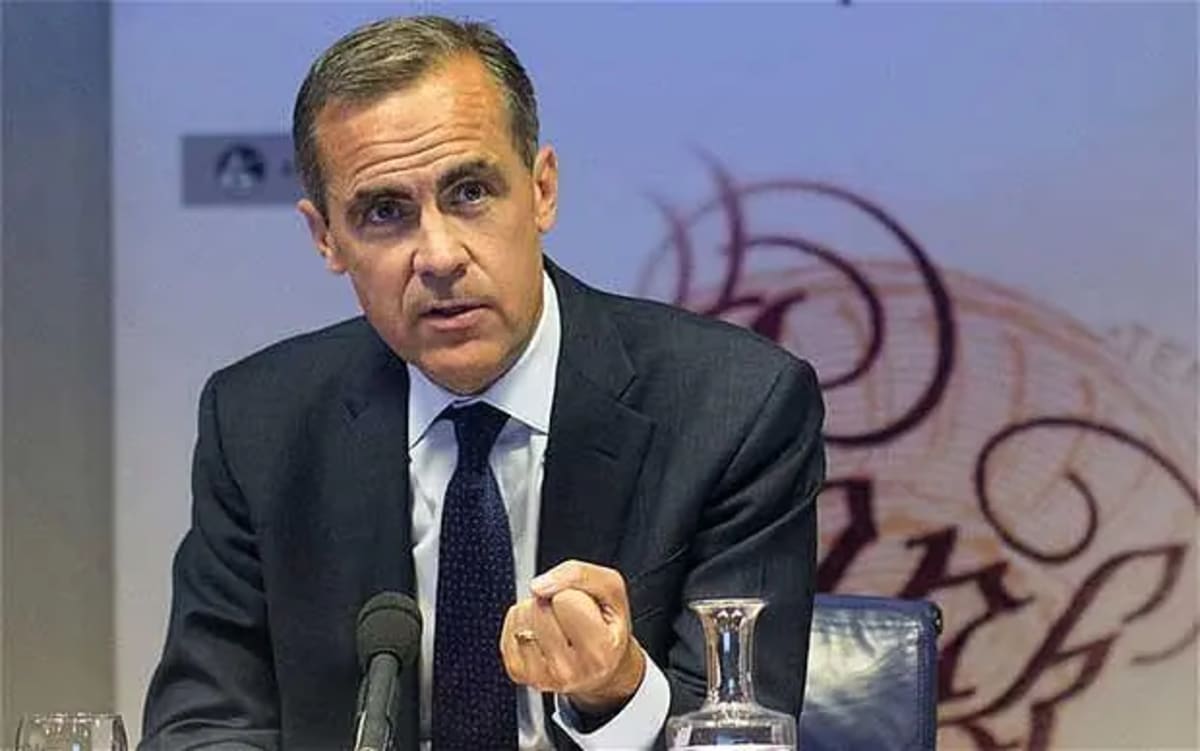
Mark Carney warned at Davos that transactional power politics could leave the world "poorer, more fragile and less sustainable." Climate action proves his other prediction right too: there is an alternative, and middle powers can build it.
The lesson is spreading to other global challenges, from pandemic preparedness to technology governance.
Cooperation isn't dead; it's just learning to work differently in a more fragmented world, and that might make it stronger than ever.
---
Based on reporting by Google: cooperation international
This story was written by BrightWire based on verified news reports.
Spread the positivity!
Share this good news with someone who needs it