Global Wildfire Area Drops to Near-Record Low in 2025
Despite devastating fires in California and Europe, the total area burned worldwide in 2025 was the second-lowest in over two decades. Land use changes in Africa are fragmenting landscapes and slowing the spread of massive fires.
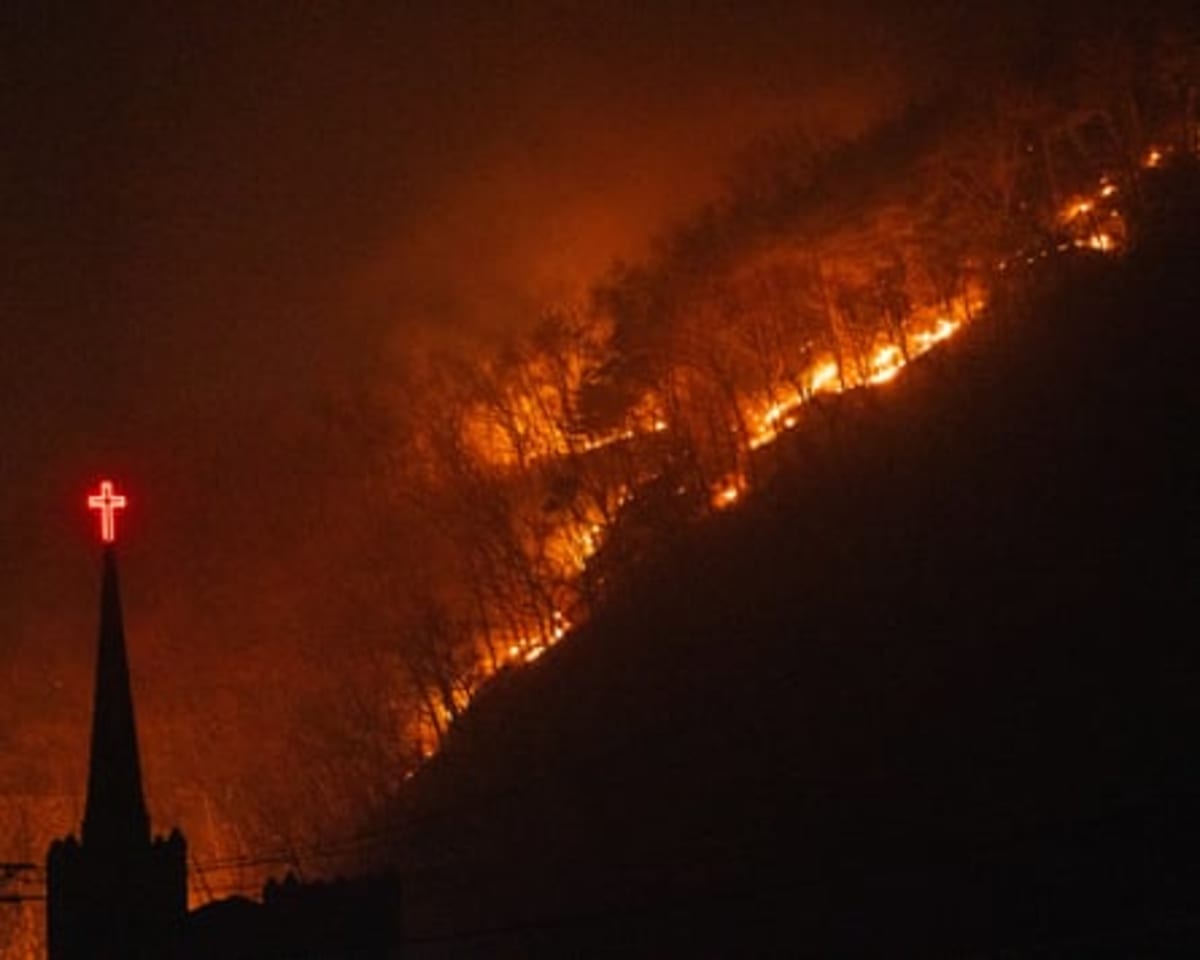
The world burned far less than you might think in 2025, even as heartbreaking fires destroyed homes from Los Angeles to South Korea.
Just 335 million hectares went up in flames last year, making it the second-lowest burned area since 2002, according to a new study from the University of East Anglia. The surprise finding comes even as catastrophic blazes dominated headlines and claimed lives across wealthy nations.
The reason for the global decline? African farms are changing the landscape. As farmland expands across the continent, it fragments the terrain and stops massive savannah fires from spreading as far as they once did.
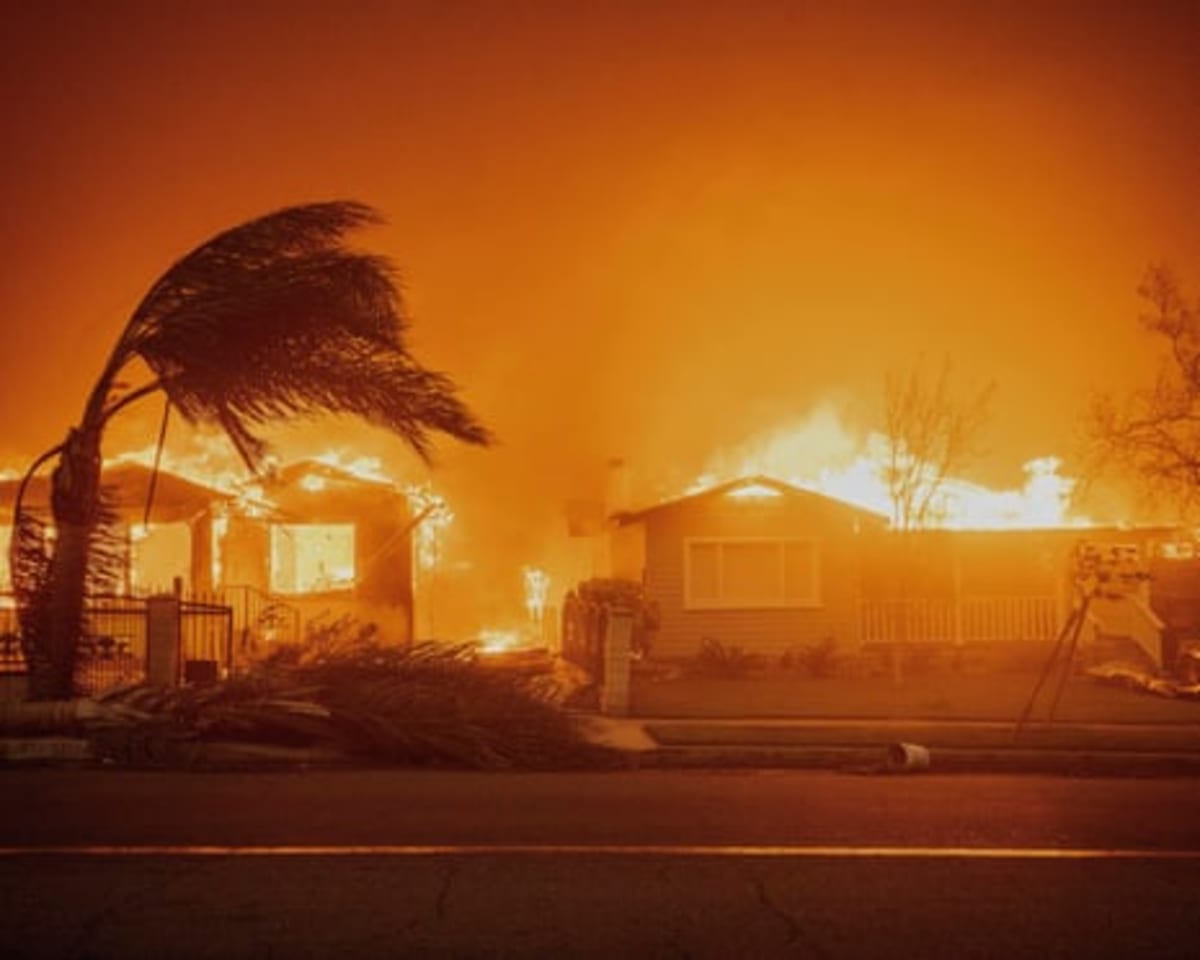
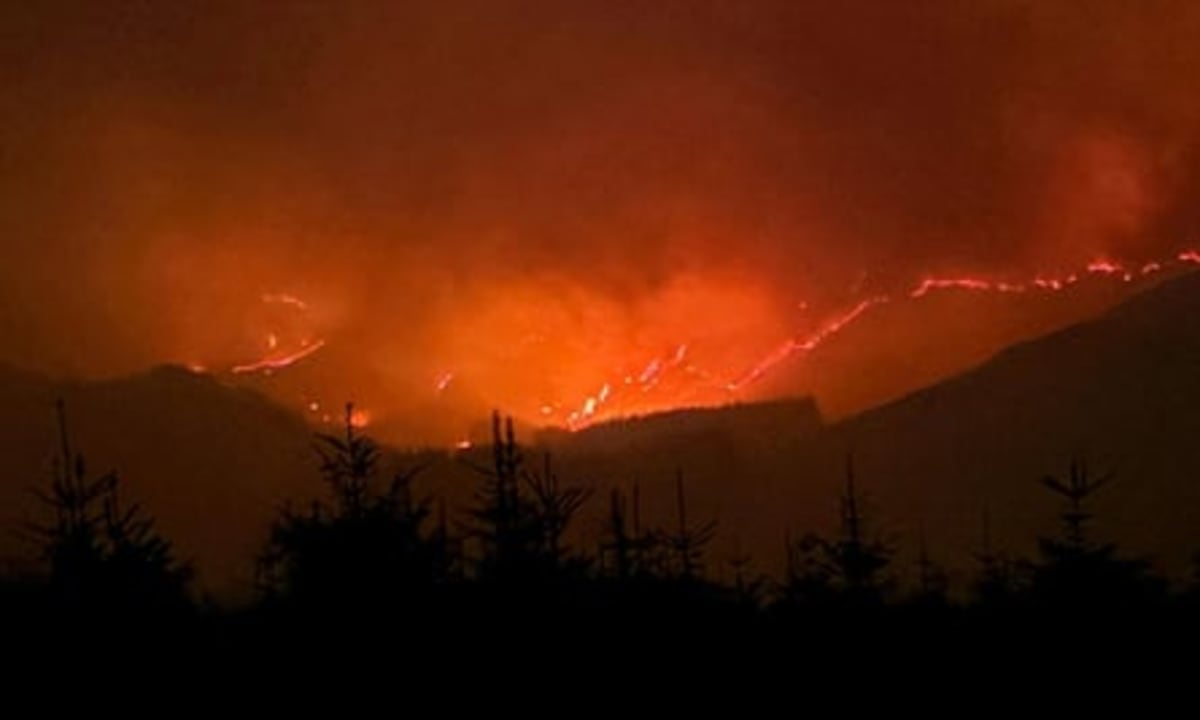
This doesn't mean the danger is disappearing. Instead, fires are shifting where they strike hardest. The Palisades and Eaton fires in Los Angeles ranked among the most destructive in U.S. history, while Scotland saw its first "megafire" torch more than 100,000 hectares.
Spain and Portugal battled record-breaking blazes that consumed over half a million hectares combined. South Korea faced its deadliest wildfire season ever, with strong winds pushing flames through densely populated areas.
Climate change is creating the perfect conditions for these explosive disasters. An attribution study found the extreme weather fueling fires in Portugal and Spain was made 39 times more likely by rising global temperatures.
The Bright Side
The drop in global burned area led to a significant environmental win: carbon dioxide emissions from wildfires fell to their third-lowest level on record.
Scientists say the findings reveal an important shift. Total burned area matters less than where fires happen and how communities prepare for them. The focus now turns to building resilience in vulnerable landscapes and protecting people at the wildland-urban interface, where homes meet wilderness.
Researchers emphasize that land use changes offer real hope. Fragmented landscapes naturally slow fire spread, creating natural firebreaks that protect larger areas. Combined with better forest management and strategic planning, communities can reduce their risk even as the climate warms.
The challenge ahead is clear: preventing extreme fires before they start, not just responding after they ignite.
More Images

Based on reporting by Guardian Environment
This story was written by BrightWire based on verified news reports.
Spread the positivity!
Share this good news with someone who needs it