GM Bets on Sodium Batteries to Power Homes and Stabilize Grid
General Motors is developing massive sodium-ion batteries that can power 300 homes for a full day, marking a major shift from cars to grid storage. The automaker is also making charging easier for 250,000 existing EVs with new vehicle-to-grid technology.
General Motors just announced it's building batteries big enough to power entire neighborhoods, and they're betting on an element as common as table salt to do it.
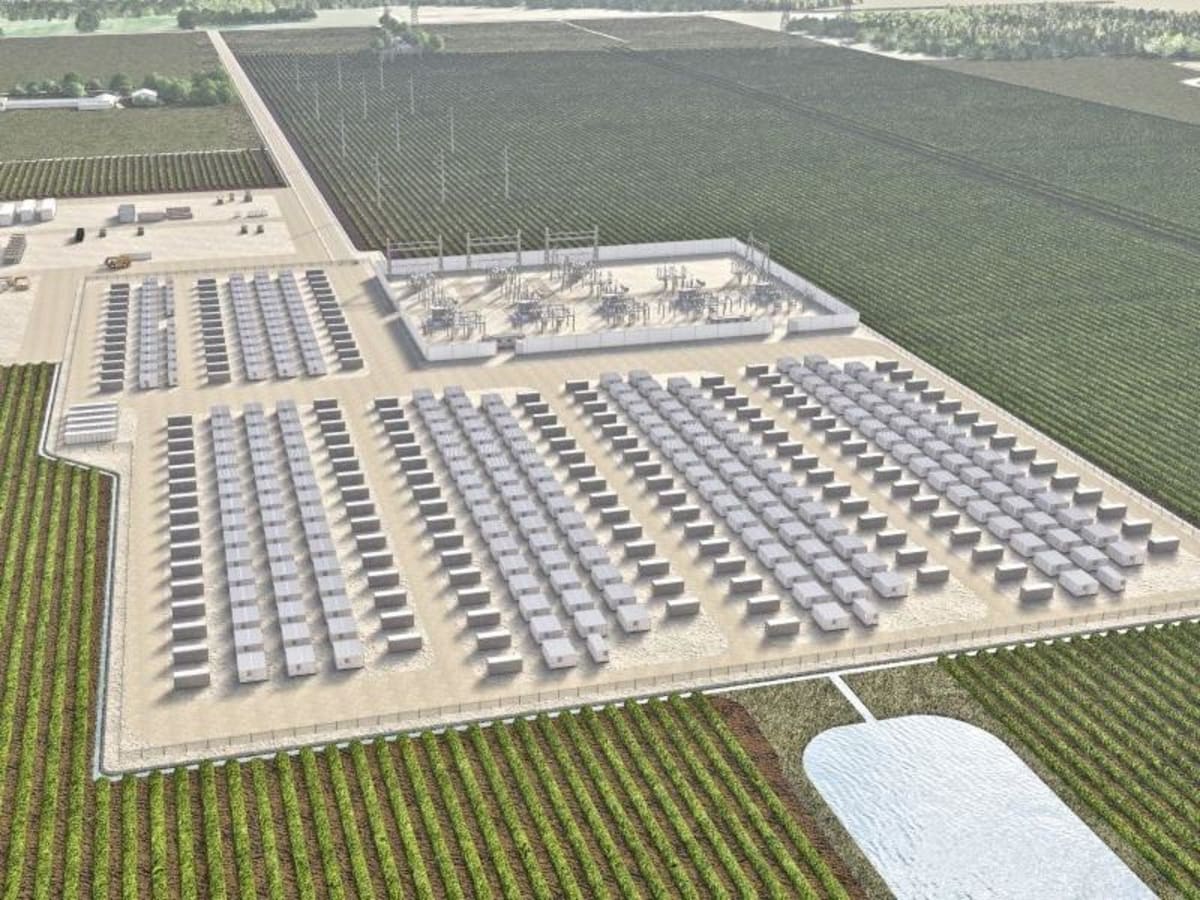
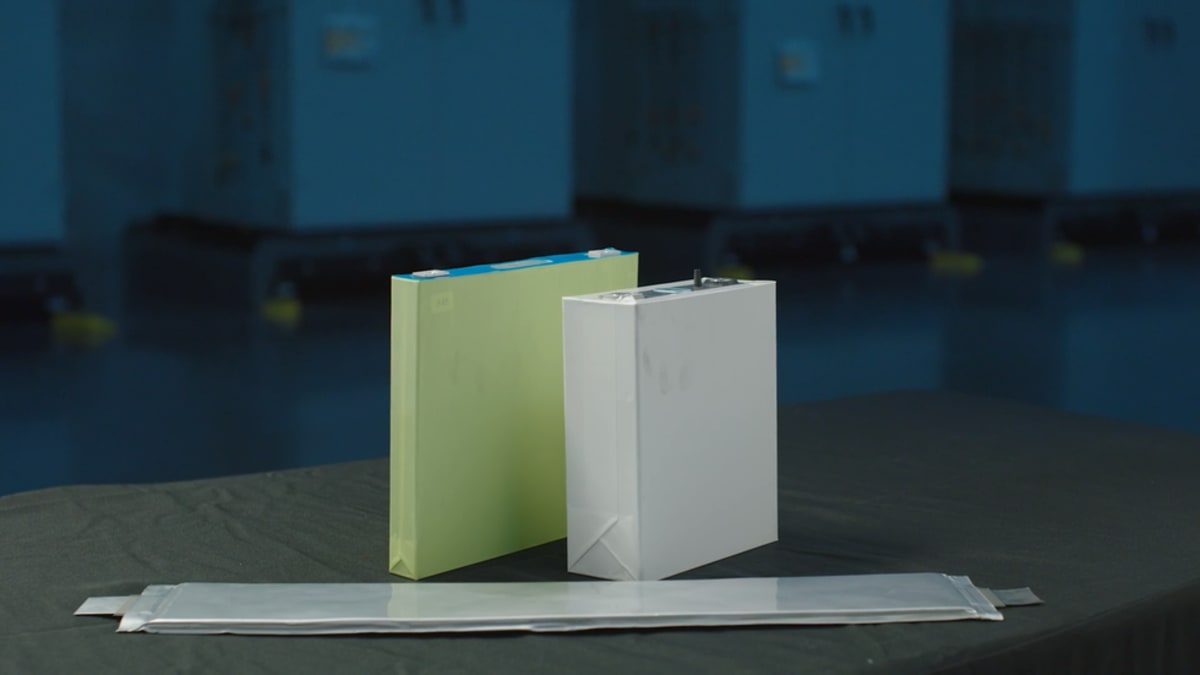
The automaker is developing sodium-ion batteries packed into 20-foot containers weighing 50 tons. These aren't meant for vehicles but for storing electricity for entire communities.
Each container can power 300 homes for 24 hours or help prevent blackouts during peak demand. The batteries can also store cheap electricity made during off-peak hours and release it when everyone needs power most.
GM chose sodium over the lithium used in electric cars for good reason. Sodium batteries cost 20 to 30 percent less over their 20-year lifespan and last 10 times longer than typical EV batteries. They barely heat up, so they don't need energy-hungry cooling systems.
Best of all, sodium is everywhere. No single country controls the supply, and it's widely available in the United States. That means more stable prices and fewer supply chain headaches.
Kurt Kelty, GM's vice president of Battery and Sustainability, says utilities care more about reliable, affordable power over long periods than maximizing range or minimizing weight. That's exactly what sodium delivers.
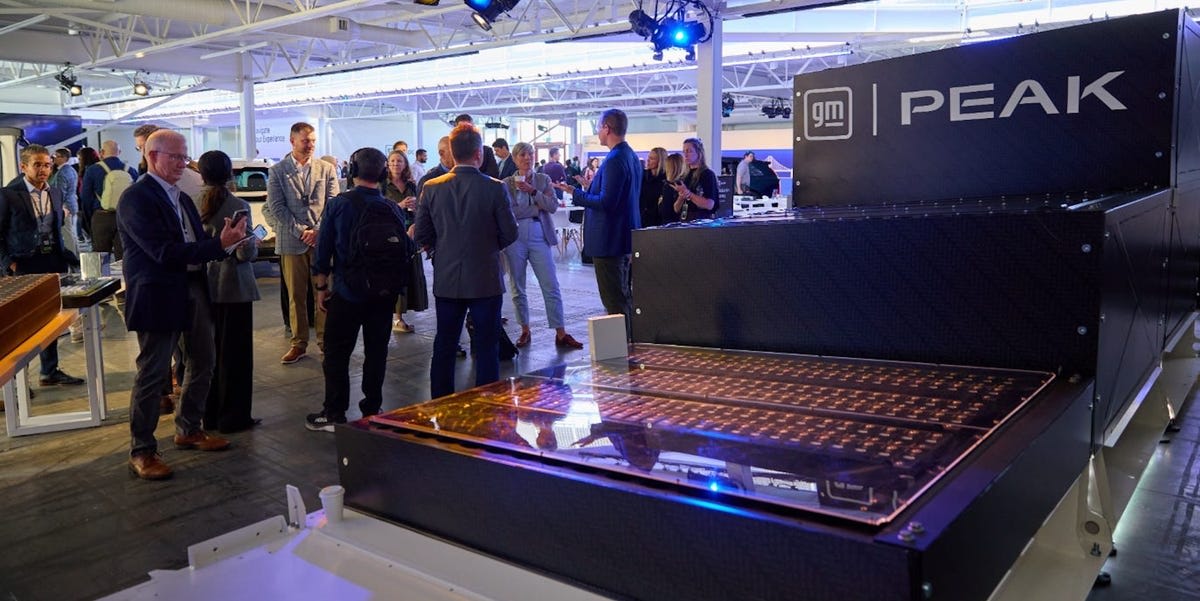
The catch? These batteries won't hit the market for at least five years. GM is currently in the road mapping stage with partner Peak Energy, backed by investment from GM Ventures.
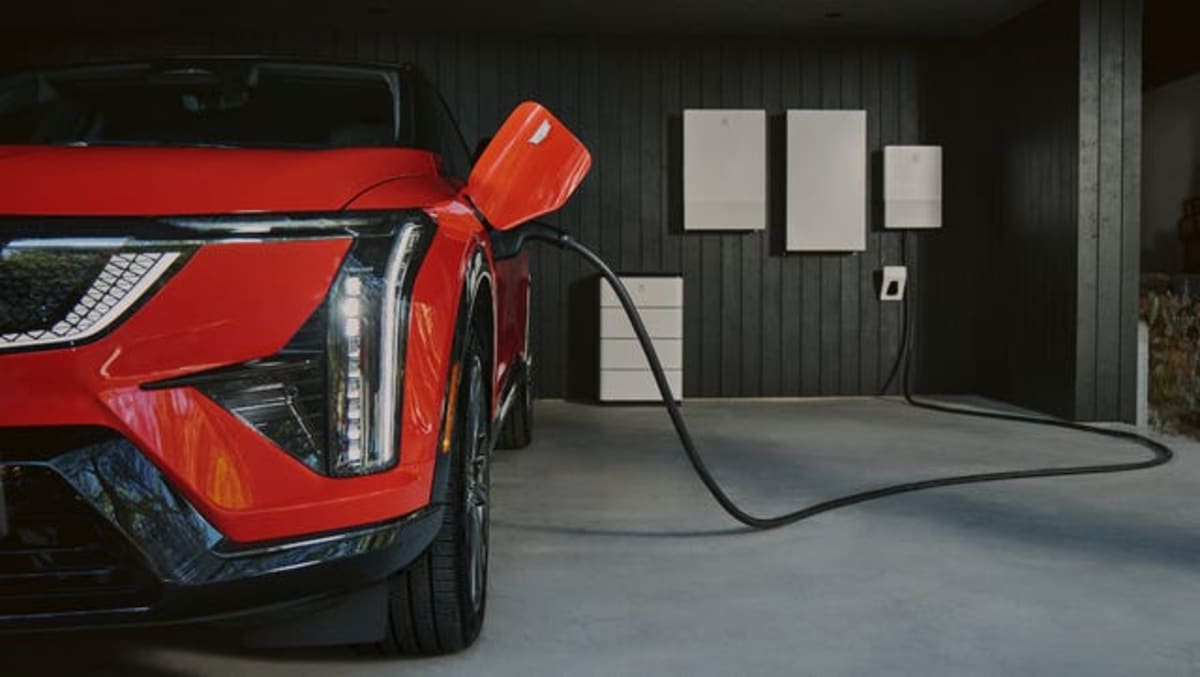
But GM isn't waiting to make electric life easier. The company just activated vehicle-to-grid capability for 250,000 EVs already on the road through a simple firmware update. Owners with GM Energy vehicle-to-home systems get this upgrade automatically.
The automaker also launched Energy Pass, a single app interface that lets drivers find, start, and pay for charging across Tesla, Electrify America, and IONNA stations. No more juggling multiple apps or screaming at charging stations when something goes wrong.
The Ripple Effect
This matters beyond GM's bottom line. Grid-scale batteries help solar and wind power work even when the sun isn't shining or wind isn't blowing. That makes renewable energy more reliable and helps everyone transition away from fossil fuels faster.
Vehicle-to-grid technology turns every participating EV into a tiny power plant. During emergencies or peak demand, these cars can feed electricity back to the grid, helping entire communities stay powered.
When charging becomes as simple as one tap, more people feel confident buying electric vehicles. That means cleaner air in cities and fewer carbon emissions warming the planet.
GM is even partnering with Redwood Materials to give old EV batteries a second life powering manufacturing facilities. Nothing goes to waste.
The road to clean energy isn't just about making electric cars anymore. It's about building the entire ecosystem that makes sustainable living simple, affordable, and reliable for everyone.
More Images

Based on reporting by Google News - Electric Vehicle
This story was written by BrightWire based on verified news reports.
Spread the positivity!
Share this good news with someone who needs it