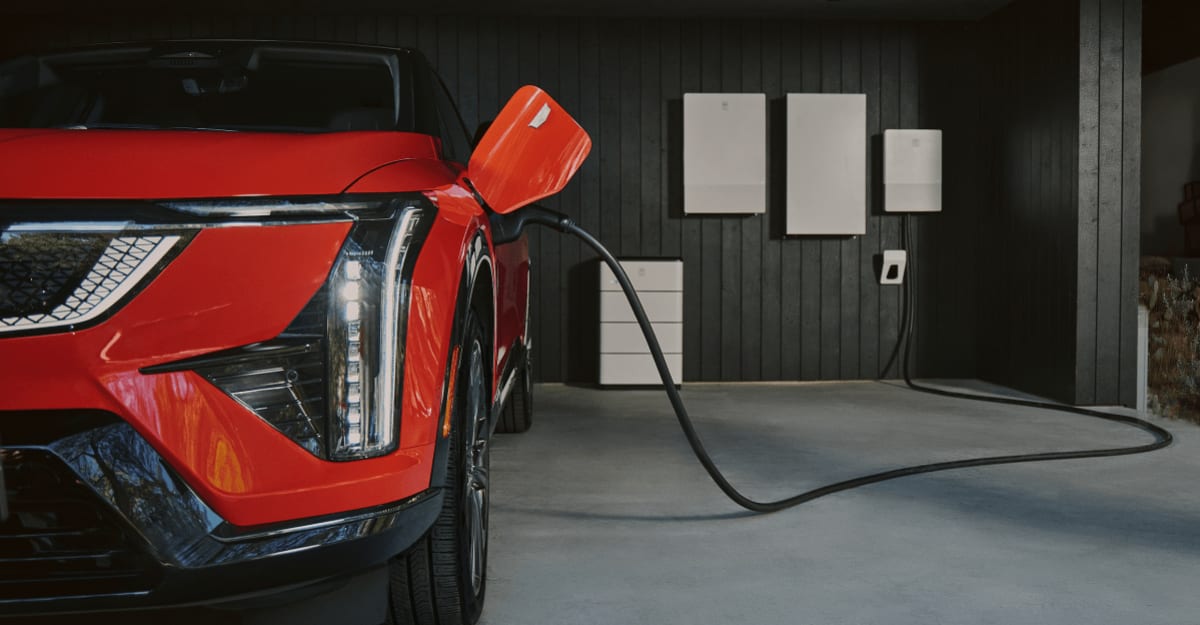
GM Turns EV Batteries Into Grid Backup for AI Data Centers
General Motors announced a plan to use energy stored in electric vehicle batteries to help stabilize the electrical grid as AI data centers strain power supplies. Hundreds of thousands of parked EVs could become backup power sources for communities.
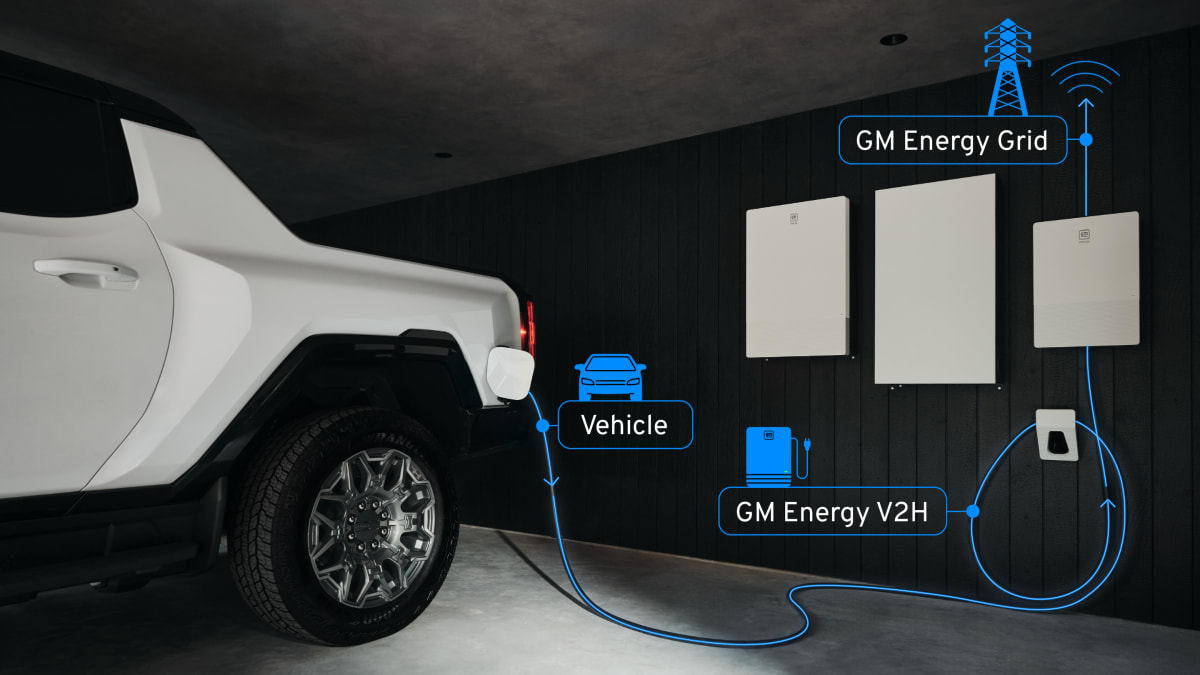
Millions of electric vehicles sit unused in driveways every day, but General Motors just figured out how to put all that stored energy to work. The automaker announced it will activate vehicle-to-grid technology that lets parked EVs feed power back into electrical grids when demand spikes.
The timing couldn't be better. AI data centers are consuming unprecedented amounts of electricity, putting strain on power grids across the country. GM sees an opportunity to turn this challenge into a solution by tapping into the massive battery capacity already sitting idle in garages and parking lots.
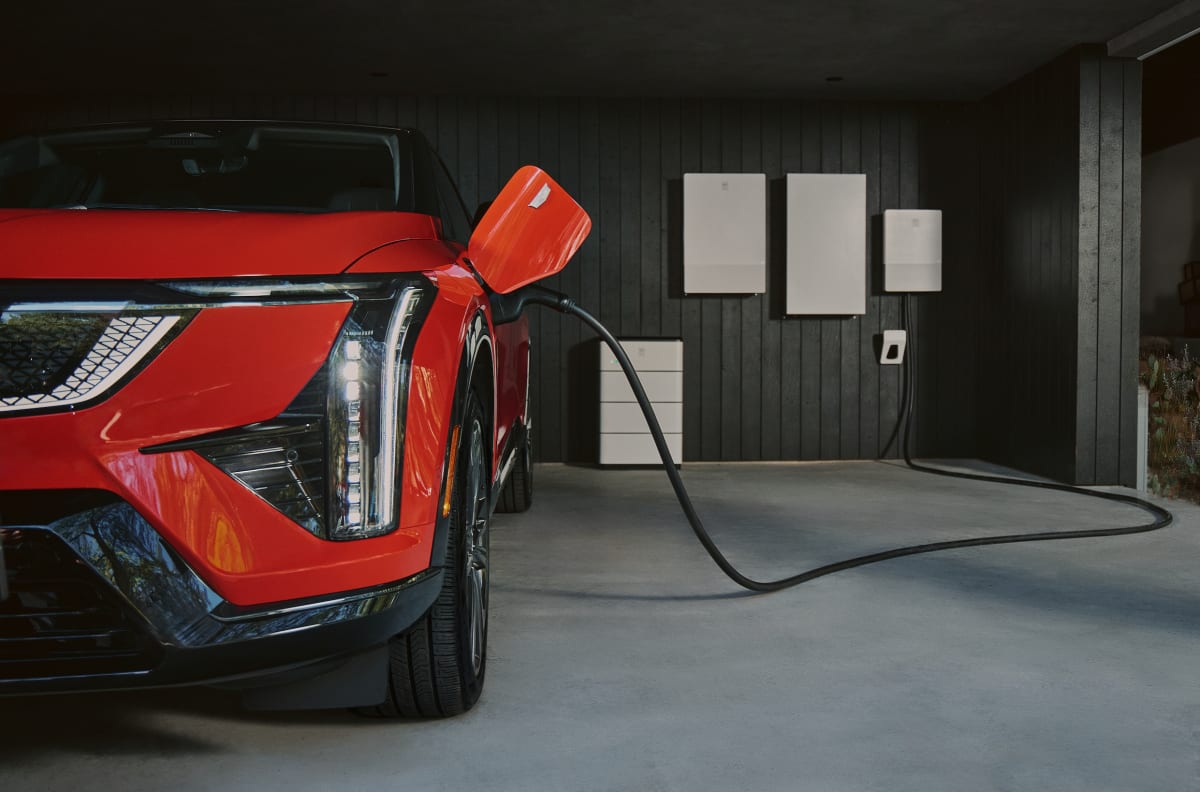
The technology works through bidirectional charging, which allows energy to flow both ways. EVs can charge their batteries from the grid as usual, but they can also send power back when utilities need it most. Think of it as turning every electric vehicle into a mini power station.
GM chief product officer Sterling Anderson shared the company's vision at a San Francisco event. "We see a future where electric vehicles, batteries that power them, and the country's power grids work together," he said.
The announcement includes new features for current GM EV owners who already have home energy systems. They'll be able to participate in grid stabilization programs, potentially earning money while their cars sit parked. GM is also developing industrial-scale sodium-ion batteries for even larger energy storage applications.
The system addresses a real problem facing utilities nationwide. As artificial intelligence expands, the data centers powering it need constant, reliable electricity. Rather than building more power plants, GM's approach uses existing resources more efficiently.
The Ripple Effect
This innovation could change how we think about electric vehicles entirely. Instead of just replacing gas-powered cars, EVs become active participants in making renewable energy more practical. When solar panels generate excess power during sunny days, that energy can store in vehicle batteries and flow back to the grid after sunset.
The approach also makes EVs more valuable to owners beyond just transportation. Utilities may offer incentives or payments to vehicle owners who participate in grid stabilization programs. Communities benefit from more reliable power, especially during peak demand or emergencies.
GM has been working toward this vision for nearly four years, positioning itself in the growing energy storage market. As the largest automaker in North America, its scale could make a real difference. Hundreds of thousands of vehicles working together create serious backup capacity without requiring new infrastructure.
The announcement represents a shift from viewing EVs as an energy challenge to seeing them as part of the solution. Every new electric vehicle on the road becomes both cleaner transportation and a tool for grid resilience.
It's a future where the car in your driveway does more than take you places—it helps power your community when needed most.
More Images

Based on reporting by The Verge
This story was written by BrightWire based on verified news reports.
Spread the positivity!
Share this good news with someone who needs it