Golden Eagles Return to England After 200 Years
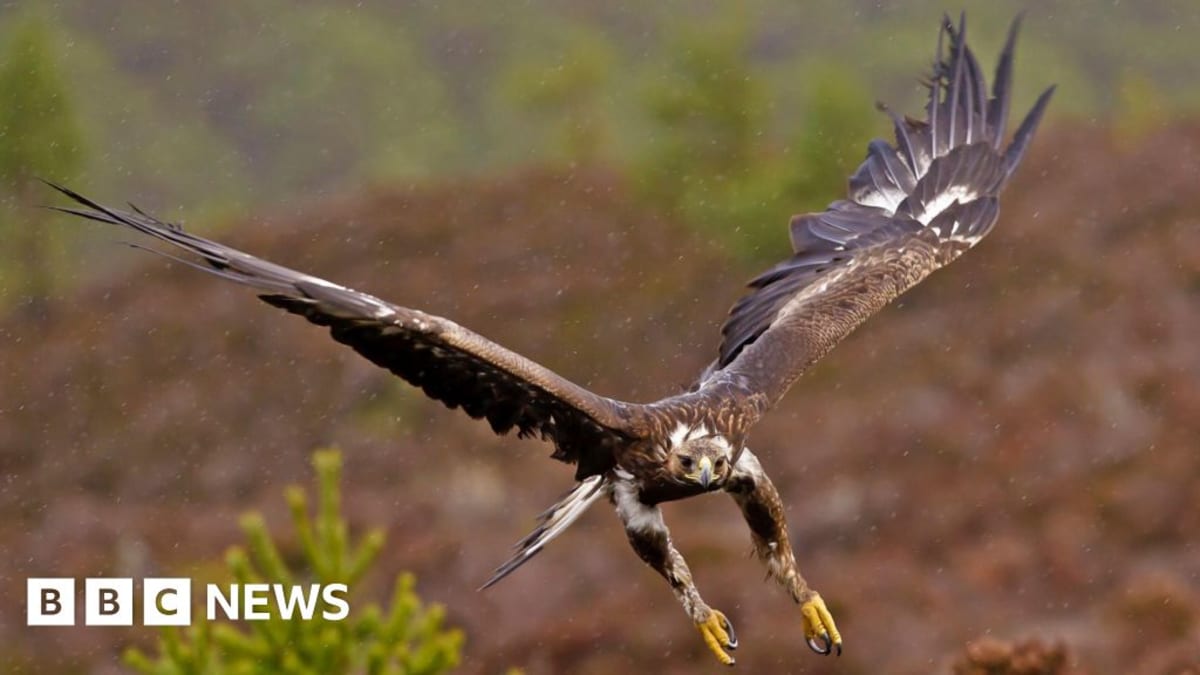
Britain's second-largest bird of prey is coming back to English skies with £1 million in government backing. The majestic golden eagle, hunted to extinction in the 1800s, could return as early as next summer.
After vanishing from England nearly two centuries ago, golden eagles are finally coming home.
The UK government just pledged £1 million to bring back these magnificent raptors, which were wiped out during the 19th century when hunters targeted them as threats to livestock. With a two-meter wingspan and the ability to spot a rabbit from three miles away, golden eagles are nature's most impressive aerial hunters.
Forestry England studied 28 possible locations and identified eight perfect spots for new populations, with Northumberland leading the list. The plan could bring the first chicks to England as early as next summer, following a public consultation with local communities.
The timing matters because the UK has become one of the most nature-depleted countries in the world. One in six species now faces extinction, making restoration projects like this critical for ecosystem recovery.
The Ripple Effect
Golden eagles do more than just look spectacular diving at 200 mph through English skies. As apex predators, they help balance entire ecosystems by controlling populations of foxes and badgers, creating space for rarer species to thrive.
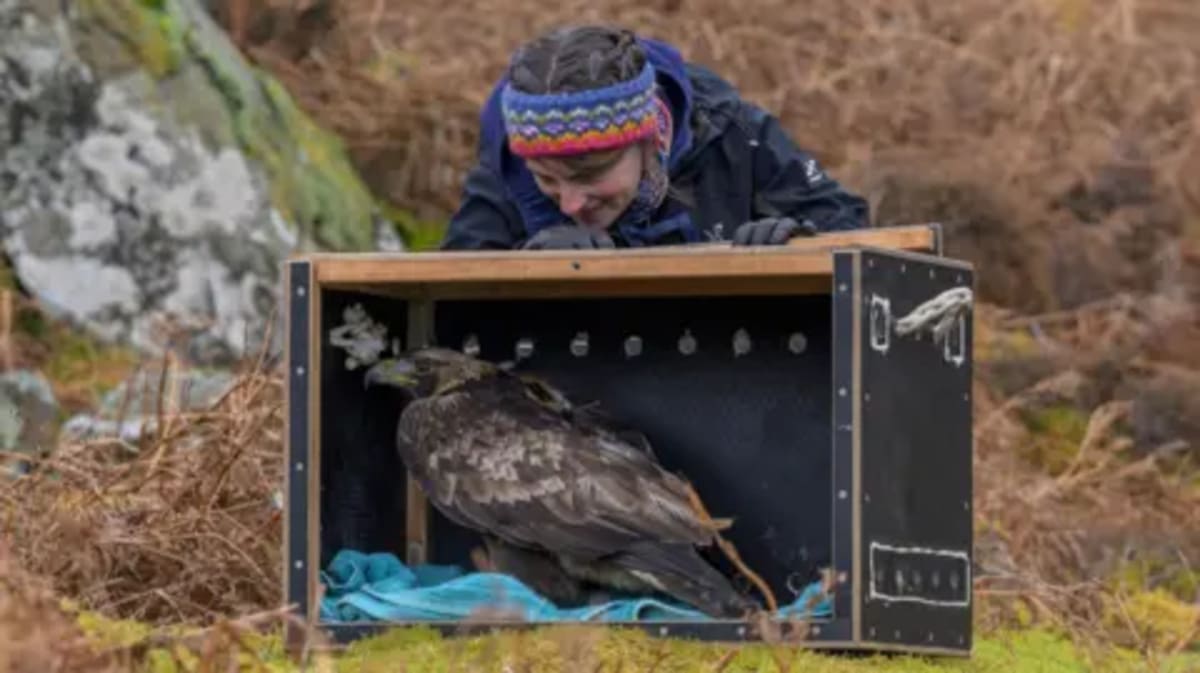
The success story is already happening. Over the past eight years, conservationists brought 28 chicks from the Scottish Highlands to the Scottish border, where they've successfully established themselves. Some have even started migrating into England naturally, though it would take 20 years without human help for them to spread south and settle permanently.
Environment Secretary Emma Reynolds called golden eagles a "keystone species" vital for nature recovery. Dr. Cat Barlow from Restoring Upland Nature, the charity leading the project, sees even broader impact beyond the birds themselves.
"It is really difficult to get people excited about peat restoration," she explained. "But something like a golden eagle can get new audiences excited about how the whole ecosystem can work together."
The project faces real concerns from farming communities who worry about lamb losses. Research shows golden eagles would account for only 0.15% to 3% of lamb deaths in their hunting range, far less than other causes, and they prefer carrion over live prey.
The Scottish border project offers hope that trust can be built. By hiring a retired gamekeeper and working closely with shooting communities, conservationists transformed skeptics into partners. That same approach will guide the English consultation over the next 18 months.
These powerful predators represent more than just species recovery—they're living proof that we can reverse environmental damage and restore what was lost.
More Images
Based on reporting by BBC Science
This story was written by BrightWire based on verified news reports.
Spread the positivity!
Share this good news with someone who needs it