Google Launches AI Smart Glasses This Fall
More than a decade after Google Glass flopped, Google is trying again with AI-powered smart glasses launching this autumn. The new glasses will feature a camera, built-in speakers, and hands-free Gemini AI assistance.
Google is making a comeback in the smart glasses game, and this time they're betting on artificial intelligence to get it right.
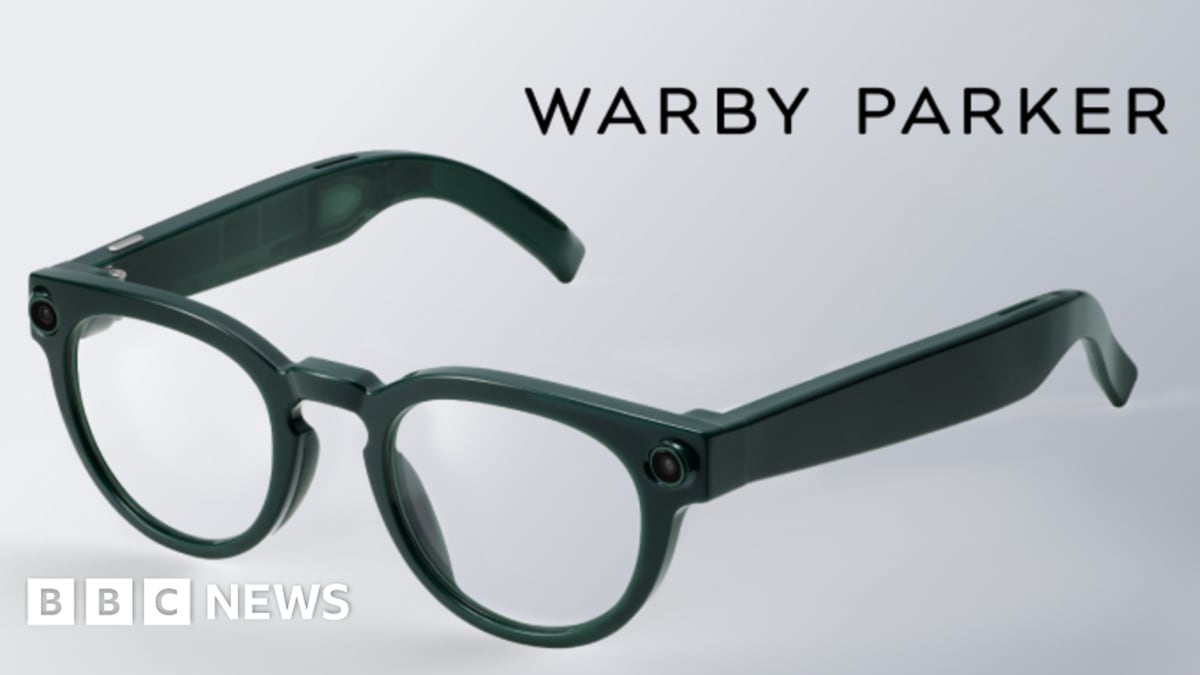
The tech giant unveiled its new smart glasses at its annual developer conference on Tuesday, marking its first attempt since Google Glass was pulled from shelves in 2015. The new glasses will launch this fall in two styles: one designed by Warby Parker and another by Gentle Monster.
Unlike their predecessor, these glasses focus on voice interaction rather than visual displays. A small camera sits in the frames while tiny speakers in the arms deliver Google's Gemini AI responses directly into your ear. The glasses work with both Android and Apple devices, keeping users "hands free and heads up," according to Google executive Shahram Izadi.
The company is also developing a more advanced version with an in-lens display that shows text and information to the wearer. That version isn't ready yet, but developers are already building applications for it, with more details coming later this year.
Google isn't alone in this space. Meta's Ray-Ban smart glasses have already sold seven million pairs, while Snap plans to release new smart glasses this year and Apple is reportedly developing its own version.
Privacy concerns that dogged Google Glass are resurfacing. People wearing Meta's glasses have filmed others without their knowledge, with videos appearing online before subjects even knew they were recorded. Google will need to address these concerns as it re-enters the market.
The Ripple Effect
Industry experts see Google's return as a win for innovation and competition. Christine Tsai of 500 Global called it "good for consumers" and a platform where startups can build new capabilities.
Developer Anil Shah sees potential for integrating existing Google services like Maps and Voice into the glasses. For his events app tixfix.ai, he's considering features that let users find nearby events just by talking to their glasses.
Investors believe smart glasses represent "that next modality" after smartphones, opening up fresh possibilities for how we interact with technology throughout our day.
Sometimes the best innovations need a second chance to get it right.
More Images

Based on reporting by BBC Technology
This story was written by BrightWire based on verified news reports.
Spread the positivity!
Share this good news with someone who needs it