MIT Startup Brings 2,000-Year-Old Roman Concrete Back
A new company is using ancient Roman concrete secrets to create modern building materials that last 50% longer and cut carbon emissions by 60%. The self-healing concrete is already rebuilding roads across Europe.
Scientists cracked the code to why ancient Roman buildings are still standing after 2,000 years, and now they're using that knowledge to revolutionize modern construction.
MIT Professor Admir Masic spent years studying the secrets of Roman concrete at historical sites like Pompeii. In 2023, his team discovered that ancient builders used a special technique that allowed concrete to heal its own cracks naturally.
When Roman concrete develops tiny fractures, pockets of calcium inside dissolve and recrystallize to fill the gaps. It's like the material has its own immune system, constantly repairing damage before it becomes serious.
Masic teamed up with Italian entrepreneur Paolo Sabatini in 2021 to launch DMAT, a company that applies these ancient principles to modern concrete. Their formula deliberately includes calcium-rich lime throughout the mix, just like the Romans did millennia ago.
The results are remarkable. DMAT's concrete additive extends the lifespan of structures by 50% and reduces CO2 emissions to just 40% of traditional concrete, cutting carbon output by more than half.
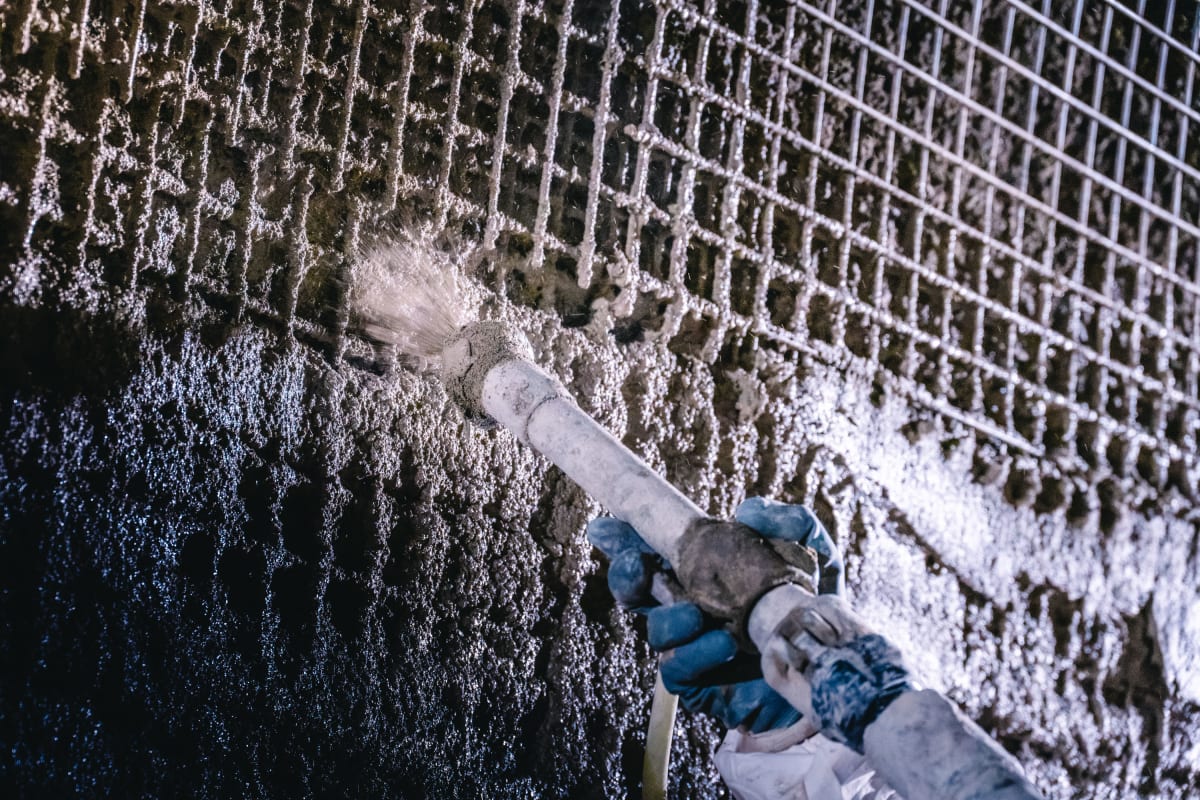
The technology is already making a real-world impact across Europe. DMAT's self-healing concrete has been used to build underground water tanks, road barriers, and highway pavement in Italy and Switzerland, including repairs on the N13 motorway in Grisons.
What makes this breakthrough especially practical is that construction companies don't need to change their equipment or processes. The additive works with existing concrete-making methods, removing a major barrier to adoption.
The Ripple Effect
Concrete is one of the world's biggest industries and a major source of global carbon emissions. If DMAT's formula becomes widely adopted, the environmental impact could be enormous.
The company sells its additives to both developers and concrete manufacturers, and recently introduced ready-mix bagged mortars for structural repairs. They're planning to expand to the U.S. market soon.
"What's exciting to me is that this material could become the industry standard without requiring companies to change how they operate," Masic says. "It doesn't introduce any uncertainty, because it's based on ancient Roman technology that has been tested for thousands of years."
By looking backward to move forward, these innovators are proving that some of humanity's oldest solutions might be exactly what we need for a sustainable future.
Based on reporting by MIT News
This story was written by BrightWire based on verified news reports.
Spread the positivity!
Share this good news with someone who needs it