Google's AI Tools Cut Research Hours to Minutes for Scientists
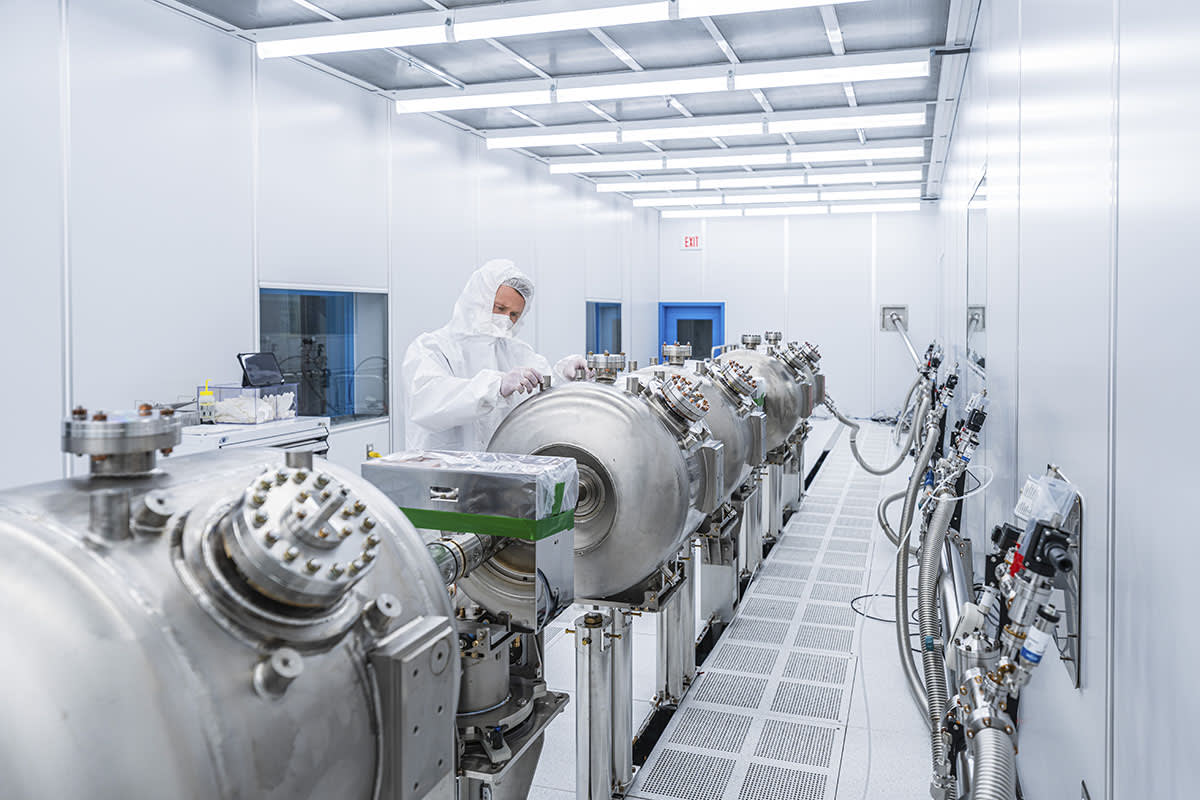
Google just launched Gemini for Science, a suite of AI tools that helps researchers analyze data, generate hypotheses, and search thousands of scientific papers in a fraction of the time. Over 100 universities are already testing the breakthrough technology.
Scientists who spend days combing through research papers and running complex analyses just got a powerful new assistant that could transform how discoveries happen.
Google announced Gemini for Science at its recent developer conference, unveiling experimental AI tools designed to speed up scientific research across every discipline. The suite includes three main experiments that tackle the most time-consuming parts of research work.
Literature Insights searches scientific papers and organizes findings into easy-to-read reports, slide decks, and even video summaries. Hypothesis Generation helps researchers brainstorm ideas and test them against existing knowledge, flagging potential problems before experiments begin. Computational Discovery runs thousands of code variations simultaneously to find the best solutions for complex problems like solar energy forecasting.
The tools are already making a real difference. Google's research teams used the system to complete an analysis of a rare genetic disease in minutes instead of the usual hours, uncovering new insights about mutations in the AK2 gene.
Google also launched Science Skills in its Antigravity platform, connecting researchers to over 30 life science databases. The integration means scientists can run protein analyses and genomic searches that previously took hours in just minutes.
The Ripple Effect
More than 100 universities and research institutions are collaborating with Google to validate the new systems, including Stanford University School of Medicine, Imperial College London, and The Francis Crick Institute. Companies like BASF are already using the technology in private previews to optimize supply chains.
The impact extends beyond academia. Pharmaceutical companies Daiichi Sankyo and Bayer Crop Science are testing the tools, while the U.S. Department of Energy is exploring applications through its Genesis Mission. Even PhD students and Nobel laureates are part of Google's trusted tester community.
Google published research papers on the technology in Nature and is working with major scientific conferences to develop AI-powered peer review tools. Access to Gemini for Science opens gradually starting May 2026 through Google Labs, where interested researchers can register now.
James Manyika, Senior Vice President at Google, sees enormous potential. "I'm particularly excited about agentic science and the tools we're building to accelerate scientific progress and discovery by empowering researchers across every scientific discipline," he shared.
The message from scientists testing the tools is clear: AI isn't replacing human ingenuity but amplifying it, turning weeks of work into days and helping researchers focus on the creative breakthroughs that matter most.
More Images

Based on reporting by Google: scientific discovery
This story was written by BrightWire based on verified news reports.
Spread the positivity!
Share this good news with someone who needs it