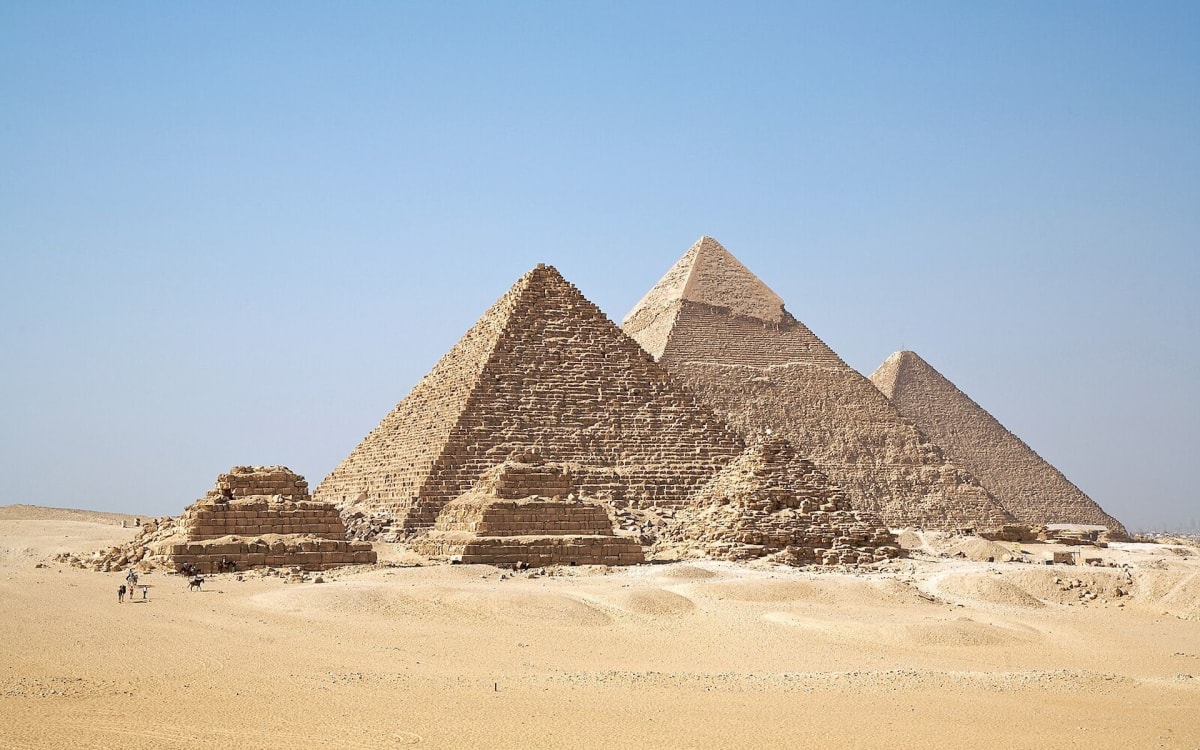
Great Pyramid Survives 4,600 Years of Earthquakes
New research reveals why Egypt's Great Pyramid of Giza has withstood powerful earthquakes for over 4,600 years. Ancient engineers built hidden features that protect the structure from vibrations, proving their extraordinary knowledge.
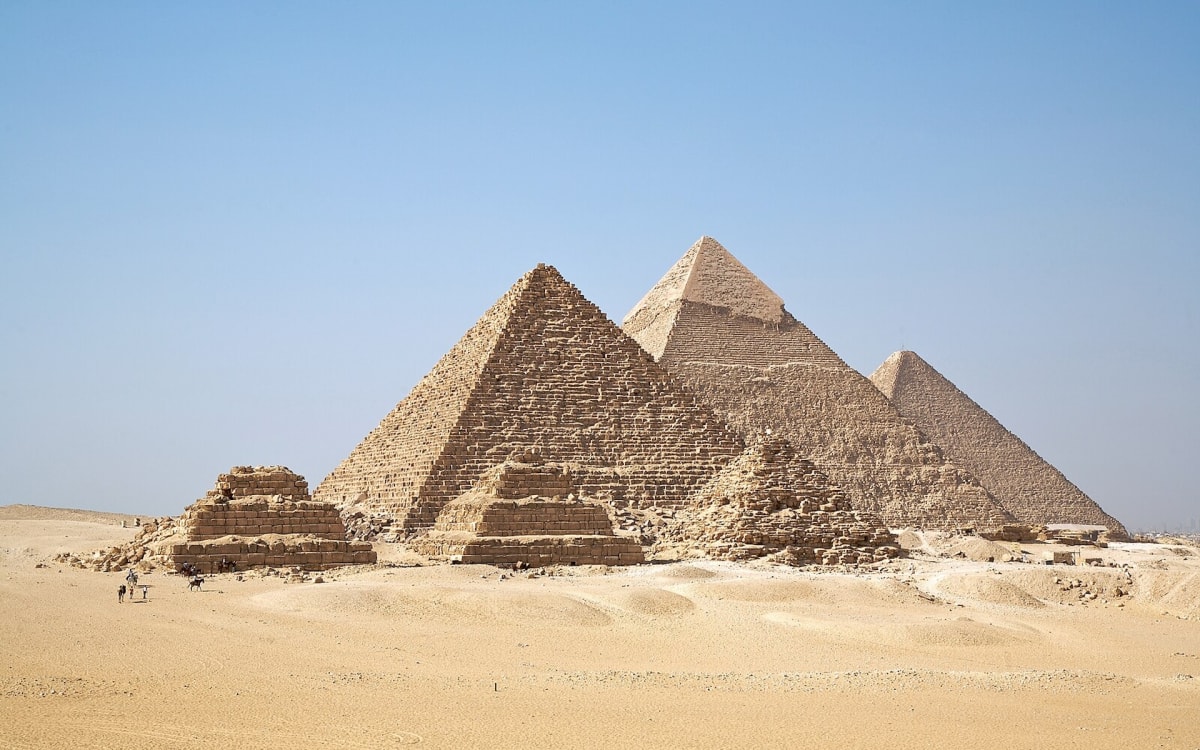
The Great Pyramid of Giza has survived earthquake after earthquake for more than 4,600 years, and scientists just figured out why.
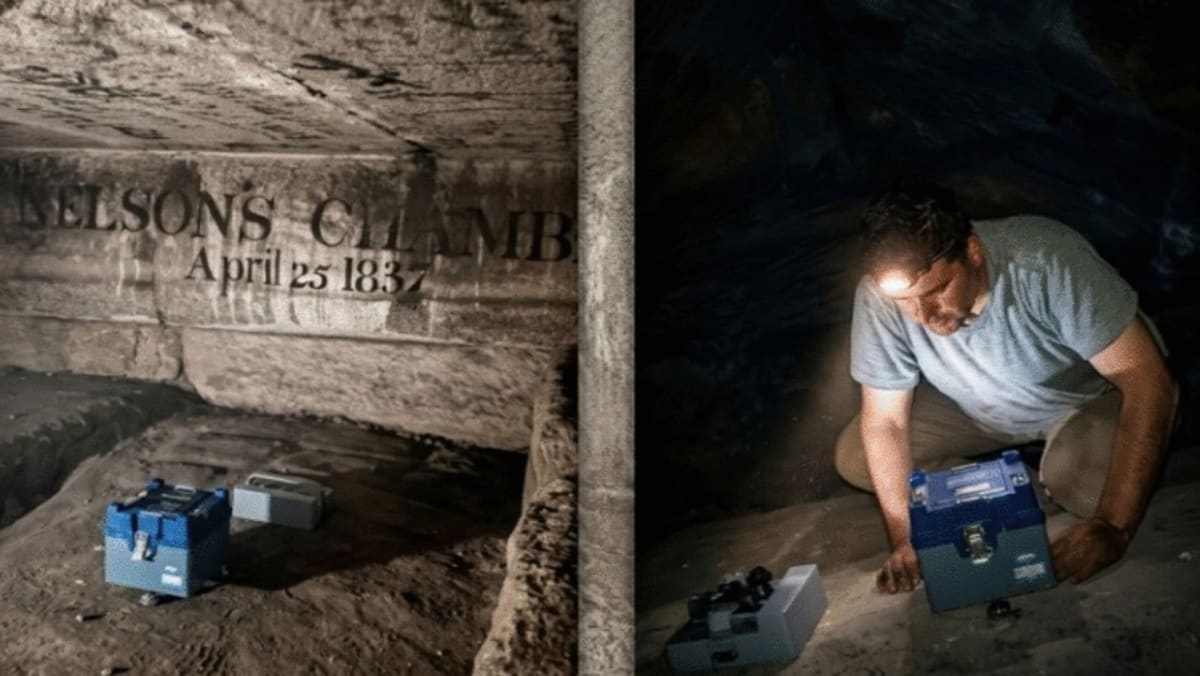
Researchers placed vibration sensors throughout the massive structure to understand how it responds to ground movement. What they discovered is a masterclass in ancient engineering that modern builders are only now beginning to understand.
The pyramid vibrates at frequencies between 2.0 and 2.6 hertz, completely different from the ground around it, which shakes at about 0.6 hertz. This gap means that during earthquakes, the structure essentially sits apart from the dangerous vibrations traveling through the earth below.
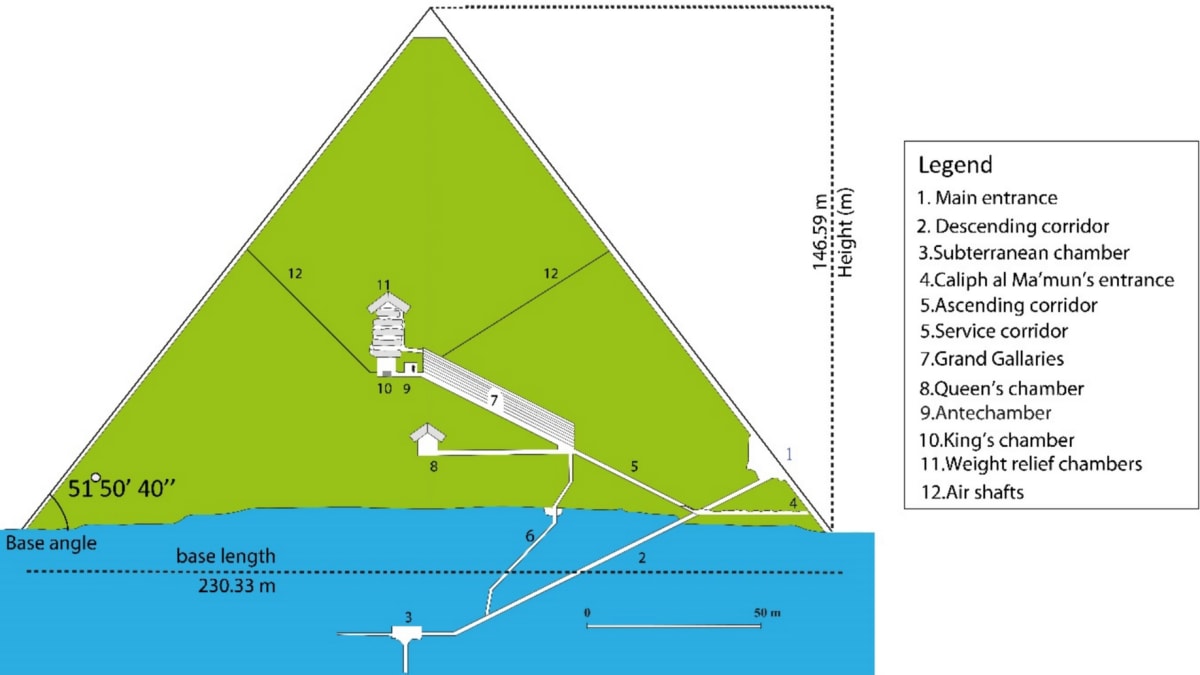
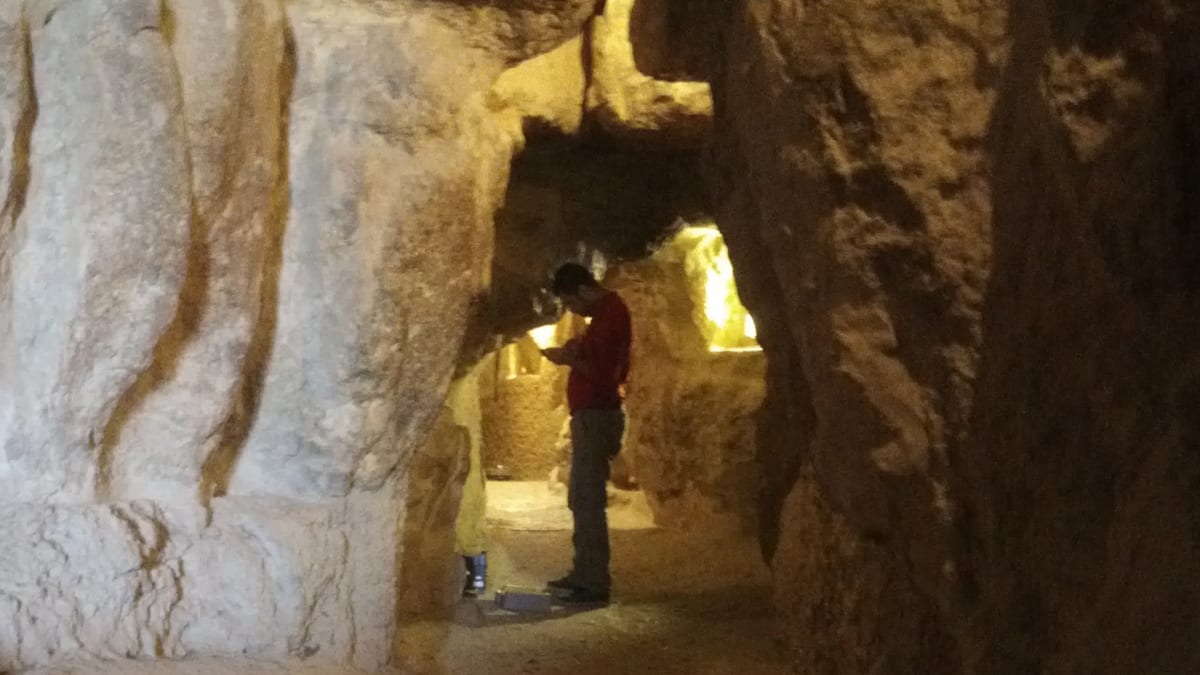
But the real genius lies hidden inside. Special chambers called pressure-relieving chambers sit about 200 feet high, right above where Pharaoh Khufu was laid to rest. Ancient builders designed these rooms to take weight off the King's Chamber, but they also dampen vibrations that would otherwise shake the pyramid's peak.
The structure has only lost 33 feet of height since construction during Egypt's Old Kingdom, despite experiencing major earthquakes. A magnitude 6.8 quake struck near Cairo in 1847, and another at 5.9 knocked some top stones loose in 1992, but the pyramid still stands strong.
Study co-author Asem Salama explained that the ancient Egyptians developed these techniques through centuries of experimentation. Earlier pyramids show evidence of trial and error, with architects changing slope angles and internal layouts as they learned what worked best.
Why This Inspires
The discovery reminds us that human ingenuity has been solving complex problems for thousands of years. Ancient builders without modern technology or computer models created something more earthquake-resistant than many structures built today.
Their massive limestone base, symmetrical geometry, and strategic chamber placement all work together in perfect harmony. These engineers understood physics in ways that took modern science millennia to rediscover.
Salama's team plans to study other Egyptian archaeological sites using similar methods, hoping to unlock more ancient secrets. Each pyramid likely holds unique innovations as architects refined their craft across generations.
The Great Pyramid stands as proof that sustainable, resilient design isn't new. Sometimes the best solutions come from looking backward at the wisdom our ancestors left behind.
More Images
Based on reporting by Live Science
This story was written by BrightWire based on verified news reports.
Spread the positivity!
Share this good news with someone who needs it