Greece Bans Sunbeds on 251 Beaches to Protect Nature
Greece just declared 251 beaches off-limits to commercial sunbeds and umbrellas to protect precious coastal ecosystems. The move safeguards critical habitats while promoting sustainable tourism along one of the world's most beloved coastlines.
Greece is giving its coastline a break, and the planet is winning.
This year, 251 Greek beaches have been declared free from all commercial structures, including rented sunbeds, umbrellas, and temporary wooden buildings. The Greek Environment Ministry made the call to protect beaches with special environmental, geological, and aesthetic value.
Many of these beaches are part of the marine NATURA 2000 program, a European network protecting the continent's most valuable natural habitats. The designation means no commercial use of the seashore and no activities that could alter the beaches' natural form or harm their ecological functions.
The decision protects vital habitats for plant and animal species that depend on undisturbed coastal environments. These beaches will remain wild spaces where nature, not commerce, sets the rhythm.
Greece isn't just protecting individual beaches. The country is expanding its list of marine NATURA 2000 sites, creating a broader shield against uncontrolled tourism development.
The timing matters. Coastal ecosystems across the Mediterranean face mounting pressure from both tourism growth and climate change impacts. By drawing clear boundaries now, Greece is choosing long-term ecosystem health over short-term commercial gains.
The Ripple Effect
This policy shift signals a major rethinking of how popular tourist destinations can balance visitor access with environmental preservation. Greece welcomes millions of beach lovers each year, and this move shows that sustainable tourism doesn't mean turning visitors away. It means directing them thoughtfully.
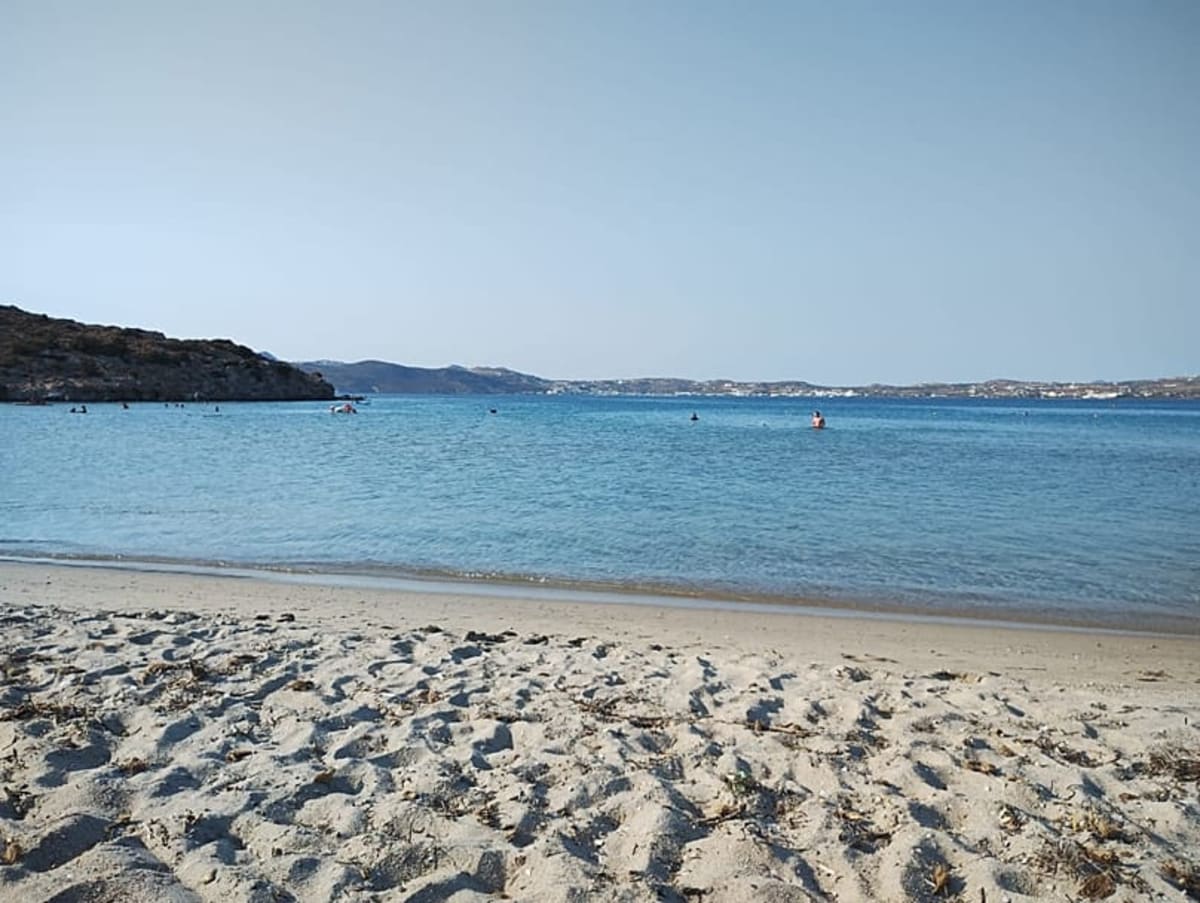
The protected beaches will still welcome swimmers and sunbathers. People just need to bring their own towels and shade. Meanwhile, the coastal habitats get breathing room to regenerate and thrive.
Other Mediterranean countries facing similar pressures are watching closely. Greece's approach could become a blueprint for sustainable coastal management across the region.
For travelers seeking authentic experiences, these beaches offer something increasingly rare: nature as it's meant to be, unmarred by rows of rental equipment. The crystal-clear waters and pristine sands remain accessible to everyone, just without the commercial overlay.
Greece is proving that protecting nature and welcoming visitors aren't competing goals.
More Images


Based on reporting by Euronews
This story was written by BrightWire based on verified news reports.
Spread the positivity!
Share this good news with someone who needs it