Zoo Atlanta Funds 7 Projects Saving Endangered Species
Zoo Atlanta just awarded two-year grants to seven conservation groups working to protect orangutans, red pandas, tigers, and other endangered animals across four continents. The funding comes from an endowment created to ensure wildlife conservation support continues forever.
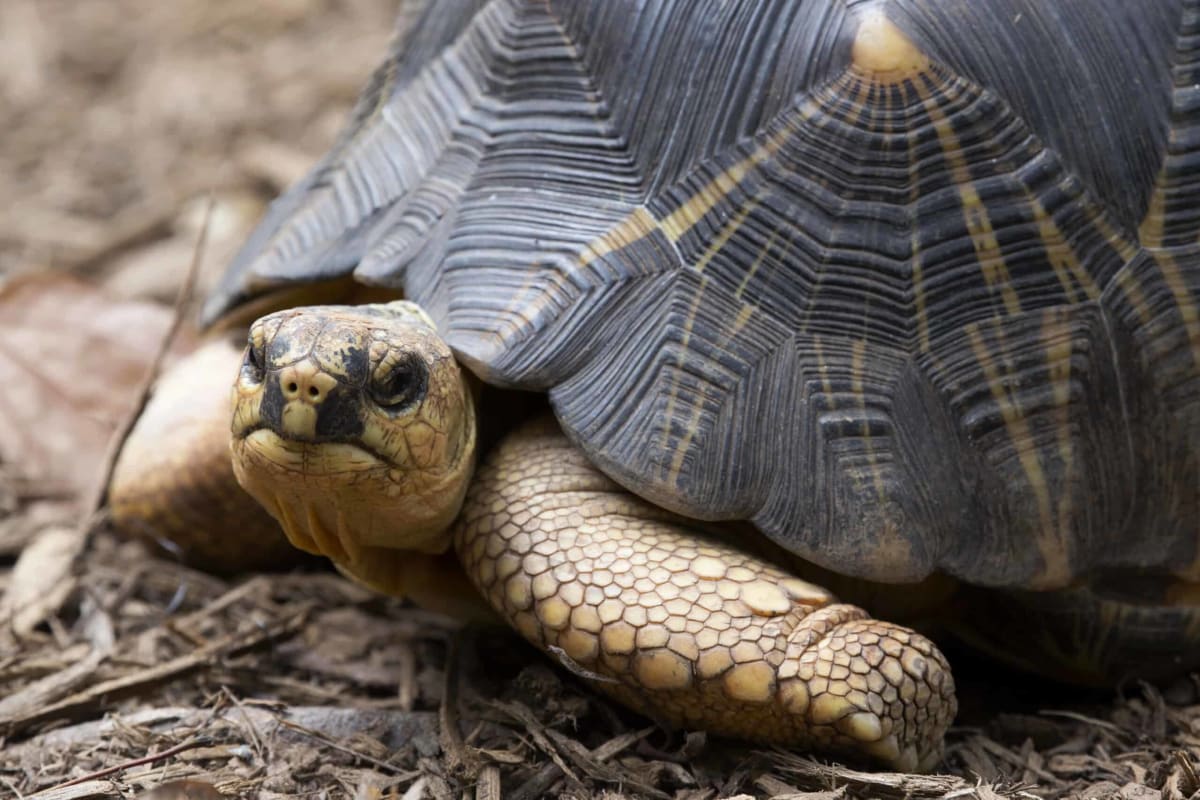
A permanent fund at Zoo Atlanta is quietly helping save some of the world's most threatened animals, from Sumatran tigers caught in farmers' traps to radiated tortoises on the brink of extinction.
Since 2008, the Mabel Dorn Reeder Conservation Endowment Fund has supported conservation projects worldwide. This year, seven organizations across Kenya, Nepal, Cambodia, Madagascar, Namibia, Indonesia, and Sumatra received two-year grants to protect vulnerable species.
The funding tackles diverse challenges. In Sumatra, critically endangered tigers die not from poachers targeting them directly but from snares set for wild pigs in agricultural fields. The Tiger Conservation Campaign uses grant money to work with villages on non-lethal ways to manage human-tiger conflicts.
In Cambodia, Wildlife Alliance patrols the Cardamom Rainforest removing snares that kill clouded leopards. Meanwhile in Nepal, the Red Panda Network is building greenhouses to grow native plants that feed wild red pandas while creating jobs for 22 local restoration workers.
Not every project protects animals directly. Ewaso Lions in Kenya runs safari camps for children who've never experienced wildlife conservation firsthand, giving the next generation hands-on exposure to what protecting animals really means.
The grant selection process involves the entire zoo staff. Any employee can nominate an organization, and a committee of executives, veterinarians, and conservation scientists reviews the proposals. Dr. Gina Ferrie, Vice President of Collections and Conservation, explains the zoo typically focuses on species visitors can see at the facility, allowing them to share conservation stories with guests.
The Ripple Effect
The beauty of this funding model extends beyond individual projects. The original donation creating these grants has never been touched and remains intact permanently, generating ongoing support year after year.
Local communities benefit too. In Namibia, the International Rhino Foundation creates ranger jobs while training residents in wildlife protection. In Madagascar, international veterinarians train local students to conduct health assessments on radiated tortoises before reintroduction to the wild.
Zoo staff members champion the projects they believe in. Keepers, veterinarians, and curators work directly with organizations to develop proposals, creating direct connections between Atlanta and conservation work happening thousands of miles away.
These seven grants represent just one year of an endless cycle of support, ensuring that the world's most vulnerable creatures have advocates fighting for their survival long into the future.
More Images


Based on reporting by Google: species saved endangered
This story was written by BrightWire based on verified news reports.
Spread the positivity!
Share this good news with someone who needs it


%2Fhttps%3A%2F%2Ftf-cmsv2-smithsonianmag-media.s3.amazonaws.com%2Ffiler_public%2F6c%2F5f%2F6c5f3401-48da-41c5-8eb0-c7f99032b198%2F11_nabarlek_on_augustus_island__ian_bool.jpg)