New Forest Project Records 1,100 Species Including Rare Lizards
A two-year nature recovery project in England's New Forest has documented over 1,100 species, including endangered sand lizards and rare pine martens raising their young. The £1.3 million effort restored 321 hectares of habitat and offers hope for wildlife comeback across the UK.
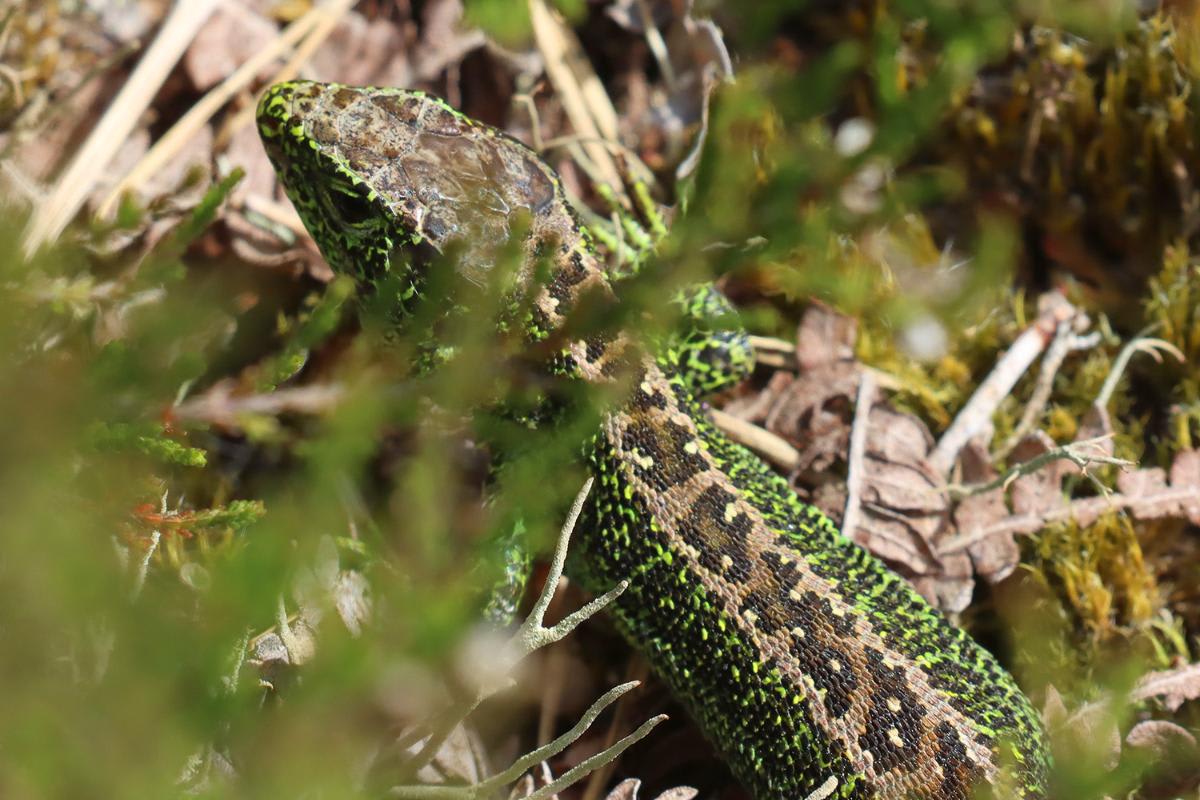
More than 1,100 species of animals, plants, and fungi are thriving in England's New Forest, thanks to a massive habitat recovery project that just wrapped up. Among the stars of this ecological success story are two endangered sand lizards, breeding pine martens, and a rare Candelabra Coral fungus that appeared where invasive plants once choked the forest floor.
The New Forest National Park Authority led the two-year, £1.3 million Species Survival Fund project, bringing together experts from Wild New Forest, Freshwater Habitats Trust, and several conservation organizations. Their mission was simple but ambitious: restore 321 hectares of grassland, heathland, wetland, and woodland around the forest's edges to give wildlife room to recover.
The results exceeded expectations. Surveys documented 28 mammal species, 431 invertebrates, nearly 100 bird types, and 320 plant species thriving in the restored habitats.
Pine martens, once nearly extinct in southern England, provided one of the project's most heartwarming moments. Cameras caught a female transferring at least three kits between den sites, confirming the elusive mammals are successfully breeding in the area. Prof Russell Wynn, director of Wild New Forest, spotted multiple pine martens during night surveys, including a pair marking their territory on the same stump an hour apart.
The project recorded 13 priority bird species like Dartford warblers and kingfishers. Seven reptile and amphibian species made appearances, including the nationally red-listed sand lizards that conservationists worry about most.
Even the nights buzzed with life. More than 140,000 bat passes were detected, confirming all 14 of the region's bat species call the New Forest home.
The Ripple Effect
The real magic happened where crews cleared dense rhododendron thickets, an invasive plant that smothers native growth. Rare woodland fungi popped up almost immediately in the newly opened spaces, suggesting decades of hidden biodiversity was just waiting for breathing room.
Water shrews, brown hares, and otters returned to restored wetlands. The project created corridors connecting fragmented habitats, giving species safe paths to expand their territories beyond the forest's protected core.
By focusing restoration work around the forest's edges rather than just its center, conservationists built a buffer zone that can welcome new species while supporting existing populations. This approach could become a blueprint for habitat recovery projects across Britain, showing that strategic, well-funded restoration work delivers measurable results.
The National Lottery Heritage Fund, Natural England, and the Environment Agency partnered with Defra to fund the project through the Government's Species Survival Fund. That investment translated directly into boots on the ground, cameras in the trees, and experts working together instead of in silos.
Every camera trigger, every survey form, and every rare species sighting adds up to one powerful truth: when we give nature the resources and space it needs, recovery happens faster than we dare to hope.
More Images
Based on reporting by Google News - Endangered Species Recovery
This story was written by BrightWire based on verified news reports.
Spread the positivity!
Share this good news with someone who needs it