Wildlife Wins: Corridors, Crossings, and Jaguars Return
From Australia to Honduras, new conservation efforts are bringing real results for endangered species. Wildlife corridors, safer roads, and habitat protection are helping animals thrive again.
Conservation efforts across three continents are proving that practical solutions can reverse wildlife decline and restore fragile ecosystems.
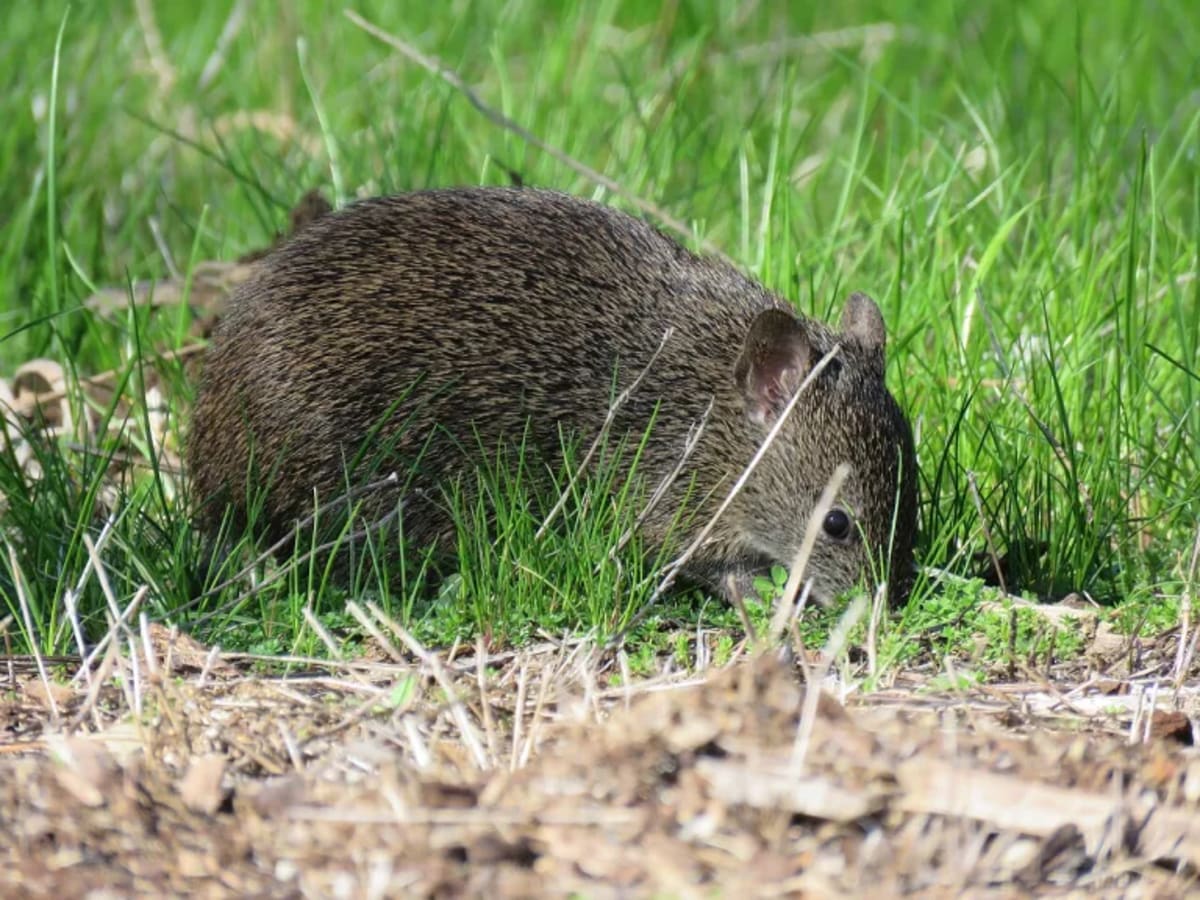
In Australia, a new wildlife corridor near Melbourne is giving the southern brown bandicoot a fighting chance. This small marsupial needs dense vegetation and room to roam, but urban sprawl had left populations stranded on tiny habitat islands. The corridor physically reconnects these isolated areas, allowing bandicoots to move safely between feeding and breeding grounds.
Habitat fragmentation ranks among the biggest threats to biodiversity worldwide. When roads, farms, and cities carve up landscapes, animal populations get trapped in pockets too small to sustain them long term. They lose genetic diversity, struggle to find food, and face higher extinction risk.
Wildlife corridors solve this problem by creating protected pathways between habitats. Research shows connected landscapes keep species alive far more effectively than isolated nature reserves, no matter how well protected those reserves might be.
Meanwhile, along the Mississippi River, simple infrastructure changes are saving freshwater turtles from deadly road crossings. Conservation teams installed barriers that keep turtles off dangerous highway sections and guide them toward safe crossing structures instead.
Freshwater turtles face particular danger on roads because they move slowly and migrate seasonally between water and nesting sites. Even a few deaths each year can devastate populations since turtles live long lives but reproduce slowly. The project shows that roads and wildlife can coexist when transportation planning includes ecological considerations from the start.
In Honduras, a camera trap captured something remarkable: a jaguar prowling through mountainous forest where none had been seen in nearly 10 years. As apex predators, jaguars shape entire ecosystems by controlling prey populations, which in turn affects vegetation and countless other species.
Jaguars need vast territories and rarely tolerate human disturbance, making them excellent indicators of ecosystem health. This sighting suggests that anti-poaching patrols and habitat protection efforts are working. Scientists will continue monitoring to determine whether this jaguar represents a returning population or just a lone wanderer.
The Ripple Effect
These wins share a common thread: they protect whole systems, not just individual animals. The bandicoot corridor preserves genetic diversity across populations. Turtle crossings maintain healthy freshwater ecosystems that filter water and support hundreds of species. Jaguar recovery signals that an entire forest ecosystem is healing.
Conservation groups are increasingly focusing on freshwater systems like rivers, wetlands, and watersheds. These ecosystems rank among the most threatened globally due to pollution and water extraction, yet they sustain incredible biodiversity while providing clean water to human communities.
Current initiatives restore natural water flows, improve water quality, and protect critical habitats. The approach recognizes that saving species means saving the entire web of life they depend on.
Together, these projects prove conservation works when it combines scientific evidence with practical action.
More Images
Based on reporting by Google News - Wildlife Recovery
This story was written by BrightWire based on verified news reports.
Spread the positivity!
Share this good news with someone who needs it

%2Fhttps%3A%2F%2Ftf-cmsv2-smithsonianmag-media.s3.amazonaws.com%2Ffiler_public%2F6c%2F5f%2F6c5f3401-48da-41c5-8eb0-c7f99032b198%2F11_nabarlek_on_augustus_island__ian_bool.jpg)