Greenland's Seas Will Fall 2.5 Meters as Ice Melts
While rising seas threaten coastlines worldwide, Greenland faces the opposite problem. Scientists predict the island's sea levels could drop up to 2.5 meters by 2100, creating unexpected challenges for coastal communities.
Scientists have discovered something surprising happening in Greenland that flips our understanding of climate change on its head. While the rest of the world braces for rising seas, this massive island will actually watch its ocean waters fall.
Researchers at Columbia University's Lamont-Doherty Earth Observatory found that Greenland's sea levels could drop between 0.9 and 2.5 meters by 2100. The bigger drop happens in high-emissions scenarios where more ice melts.
The science behind this paradox is fascinating. As Greenland's massive ice sheet melts away, the land underneath literally bounces back up, freed from billions of tons of weight pressing down on it.
Lead researcher Lauren Lewright explains it simply: the ice sheet's enormous mass pulls the ocean toward it through gravity. When that ice melts and the gravitational pull weakens, the sea surface actually falls away from the island.
Study co-author Jacqueline Austermann compares it to a memory foam mattress springing back after someone gets up. The land rises while the gravitational grip on the water weakens, creating a double effect that accounts for 30 percent of the predicted sea level drop.
The Bright Side
This unique situation offers an unexpected silver lining. Some of Greenland's glaciers might actually stabilize as falling sea levels change where ice meets ocean. While researchers can't yet confirm if the drop will be large enough to make a real difference, any glacier stabilization could help slow ice loss.
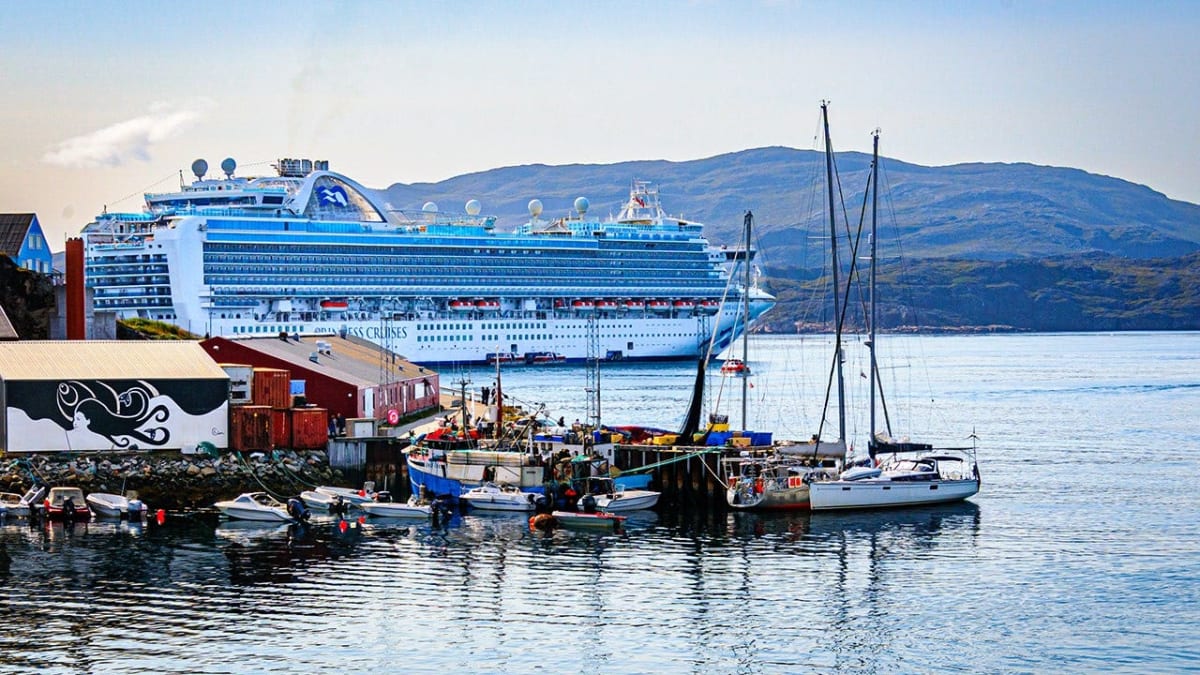
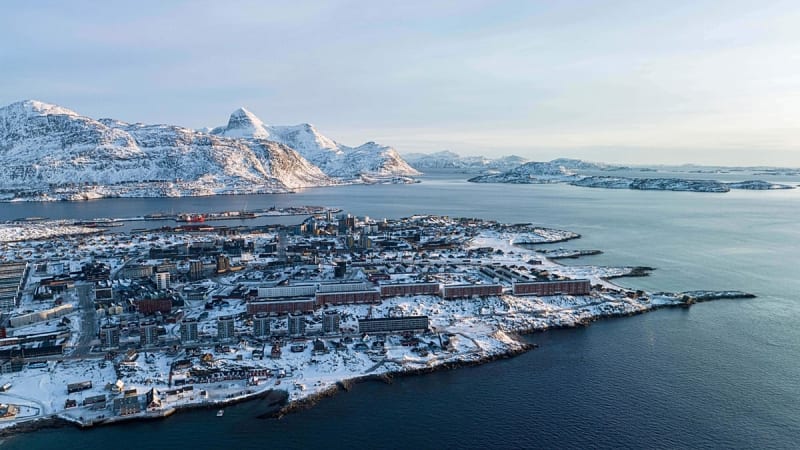
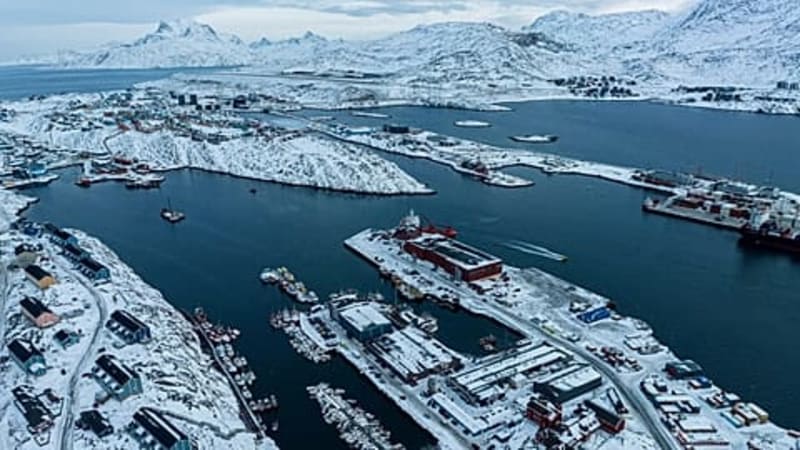
The findings also give Greenland's coastal communities valuable time to plan ahead. Ports, docks, and fishing infrastructure built for today's sea levels will need redesigning. Shipping routes will shift as harbors sit farther from the water's edge.
This advance warning means communities won't be caught off guard. They can adapt infrastructure thoughtfully rather than scrambling to respond to sudden changes. Unlike coastal areas facing rising seas with little time to prepare, Greenland has decades to adjust.
The research shows how complex our changing climate really is. Not every region faces the same challenges, and understanding local effects helps communities prepare smarter solutions.
Scientists continue monitoring Greenland's changing coastline, turning this climate anomaly into an opportunity for communities to build resilience with their eyes wide open.
More Images


Based on reporting by Euronews
This story was written by BrightWire based on verified news reports.
Spread the positivity!
Share this good news with someone who needs it