Ham Radio Enthusiast Revives 1980s Teletext Technology
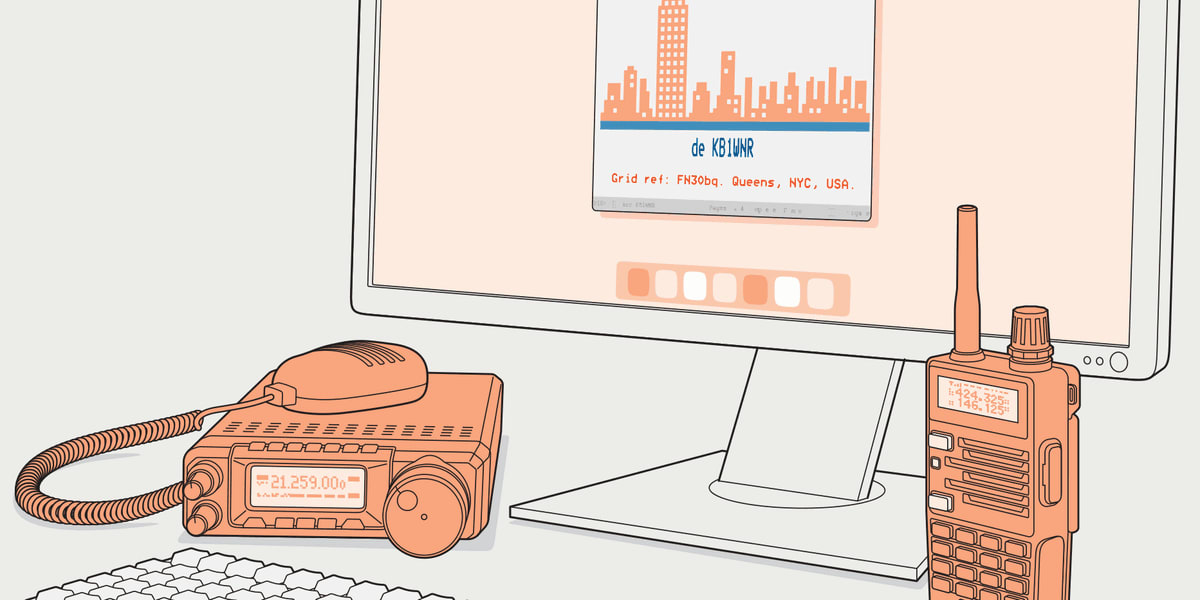
A tech enthusiast is bringing back teletext, the beloved pre-internet information service from the 1980s, by adapting it for amateur radio transmission. The project combines nostalgic technology with modern ham radio capabilities to create a faster, more efficient way to share digital images over the airwaves.
Before the internet connected our homes, Europeans had a magic button on their TV remotes that opened a digital world of news, weather, and flight updates.
Teletext was an elegant 1980s system that piggybacked digital information onto blank lines in analog TV signals. Pressing a three-digit code on your remote would pull up the page you wanted within seconds, all without slowing down as more people tuned in.
IEEE Spectrum editor Stephen Cass grew up using Ireland's Aertel teletext service multiple times daily. When the 40th anniversary of Aertel's test transmissions arrived, he decided to give this forgotten technology new life through ham radio.
The original teletext was remarkably clever for its time. A special chip called the SAA5050 created unusually legible text on TV screens by interpolating pixels and adding smart spacing between characters. Each colorful page required just one kilobyte of memory, half what the Commodore 64 needed for similar text displays.
Cass envisioned teletext as a digital counterpart to slow-scan television, which amateur radio operators use to transmit pictures. SSTV takes nearly two minutes to send an image and often produces garbled text, requiring multiple broadcasts.
His teletext system would transmit a full screen in just 11 seconds on VHF and UHF frequencies, or 44 seconds on HF bands. When pages are sent repeatedly, any corrupted data automatically fills in with fresh transmissions, creating a complete image in about two minutes.
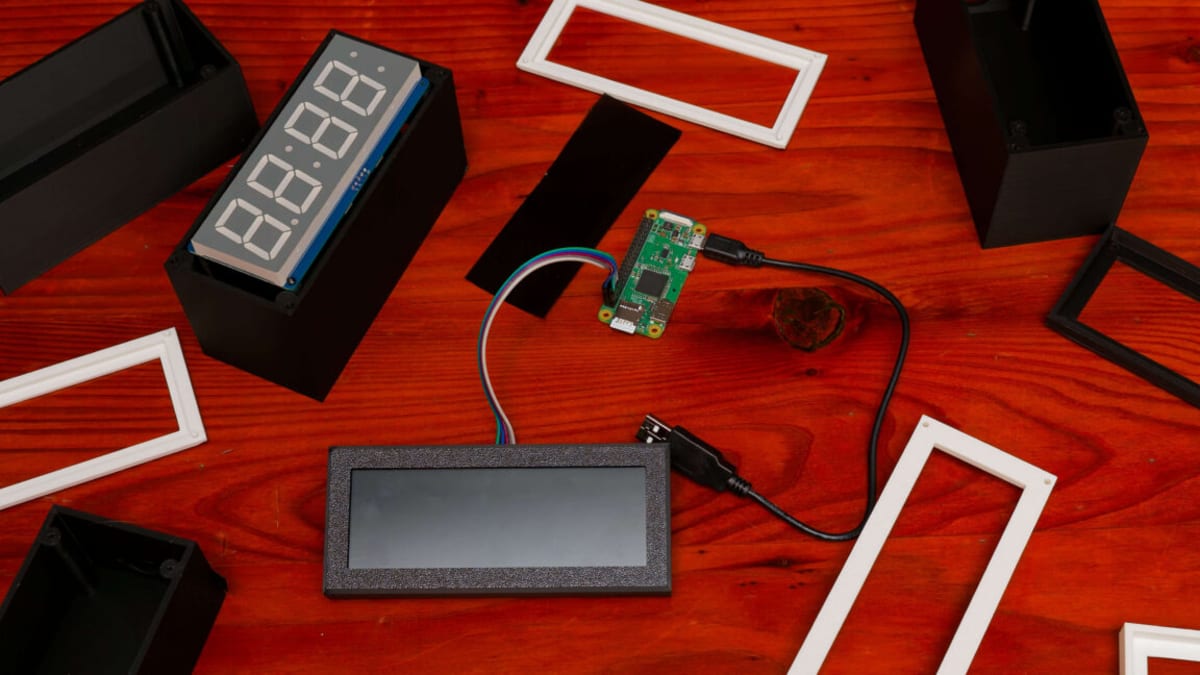
The project required building a complete suite of Python software including an editor for creating pages, encoding and decoding systems, and a monitor for displaying received images. Using modern sound cards to generate and listen to digital tones, the system exchanges teletext pages through regular ham radios.
Why This Inspires
This project shows how looking backward can sometimes move us forward. By reviving a system designed when every byte mattered, Cass created something more efficient than current alternatives for sharing visual information over radio.
The teletext community remains active today, with enthusiasts archiving old content, running internet-based services with current news, and developing ways to display teletext on modern TVs. This ham radio adaptation adds another chapter to teletext's surprising longevity.
What started as childhood memories of checking weather forecasts became a bridge between generations of technology, proving that elegant solutions never truly become obsolete.
More Images

Based on reporting by IEEE Spectrum
This story was written by BrightWire based on verified news reports.
Spread the positivity!
Share this good news with someone who needs it