Hawaii Brings Rare Bird Back from 200 to 1,500
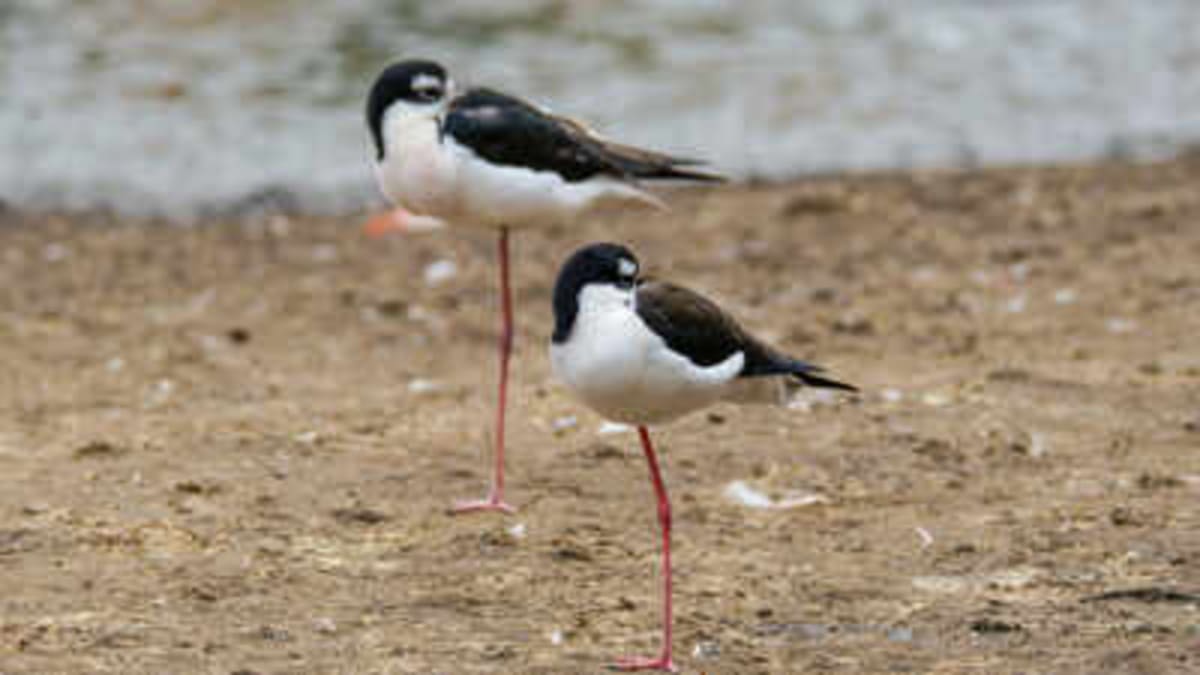
The Hawaiian stilt was down to just 200 birds in the 1940s, but 50 years of wetland restoration has brought the population to over 1,500. The species has officially been upgraded from endangered to threatened.
Half a century of patient conservation work in Hawaii has brought a graceful shorebird back from the edge of extinction. The aeʻo, also known as the Hawaiian stilt, now numbers over 1,500 birds after hitting a low of just 200 in the 1940s.
The U.S. Fish and Wildlife Service recently reclassified the long-legged bird from endangered to threatened under the Endangered Species Act. It's a rare upgrade that reflects decades of dedication by scientists and conservationists across the Hawaiian Islands.
The aeʻo once thrived throughout Hawaii, but the 20th century nearly wiped them out. Wetlands were converted to farms and cities, destroying the birds' natural breeding grounds.
Invasive predators like rats, mongooses, and feral cats made survival even harder by preying on eggs and chicks. By 1973, the situation was so dire that the species was listed as endangered.
Then came the long, steady work of bringing them back. Conservationists restored degraded wetlands across the islands, carefully managing water levels and controlling predator populations.
The restored habitats included traditional Hawaiian wetland agricultural systems that had been part of the landscape for generations. Birds responded quickly, returning to nest in areas that had been unsuitable for decades.
A recent study from the University of Hawaii at Mānoa analyzed over 2,000 nests across nine wetlands on Oʻahu between 1963 and 2020. Researchers found consistent improvements in nest success and chick survival over time, proving that the restoration efforts were working.
The Ripple Effect
The aeʻo's recovery shows what's possible when communities commit to long-term conservation. The same wetland restoration that saved the birds also revitalized entire ecosystems, benefiting other native species and reconnecting Hawaiians with traditional landscapes.
"This is a bright spot story," said Melissa Price, an associate professor in the University of Hawaii's Department of Natural Resources and Environmental Management. The success demonstrates that even species on the brink can recover with sustained effort.
The work isn't finished, though. Conservationists emphasize that continued monitoring and expanding protected wetland habitat will be critical for keeping the population growing.
Jessica Idle, who led the recent study, put it simply: "Downlisting is not the end of the work. It means the work is working."
For now, the sight of long-legged aeʻo wading through Hawaiian wetlands is becoming common again, a living reminder that patience and dedication can reverse even the steepest declines.
More Images



Based on reporting by Google News - Conservation Success
This story was written by BrightWire based on verified news reports.
Spread the positivity!
Share this good news with someone who needs it