Heat-Proof Transistor Opens Path to Venus Exploration
Japanese scientists created a transistor that survives temperatures over 1,100°F, solving a decades-old challenge that limited Venus missions to just hours. This breakthrough could finally let us explore Earth's mysterious twin planet for days instead of minutes.
For over 40 years, every spacecraft that landed on Venus barely survived two hours before the planet's crushing heat destroyed it.
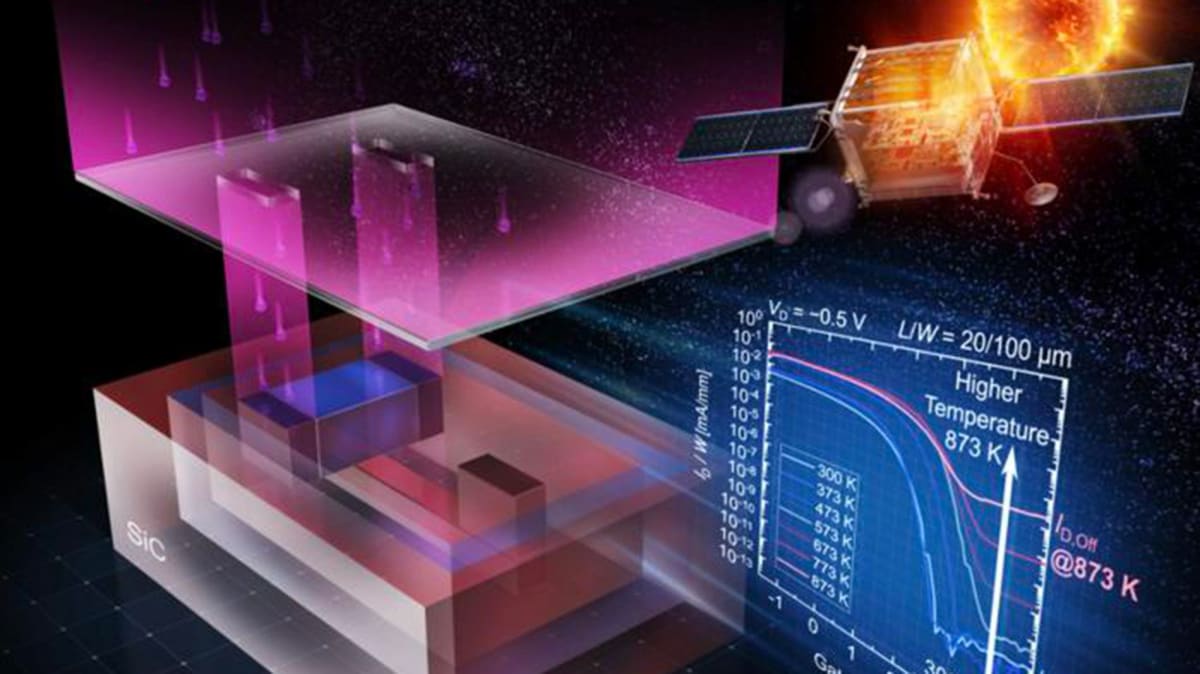
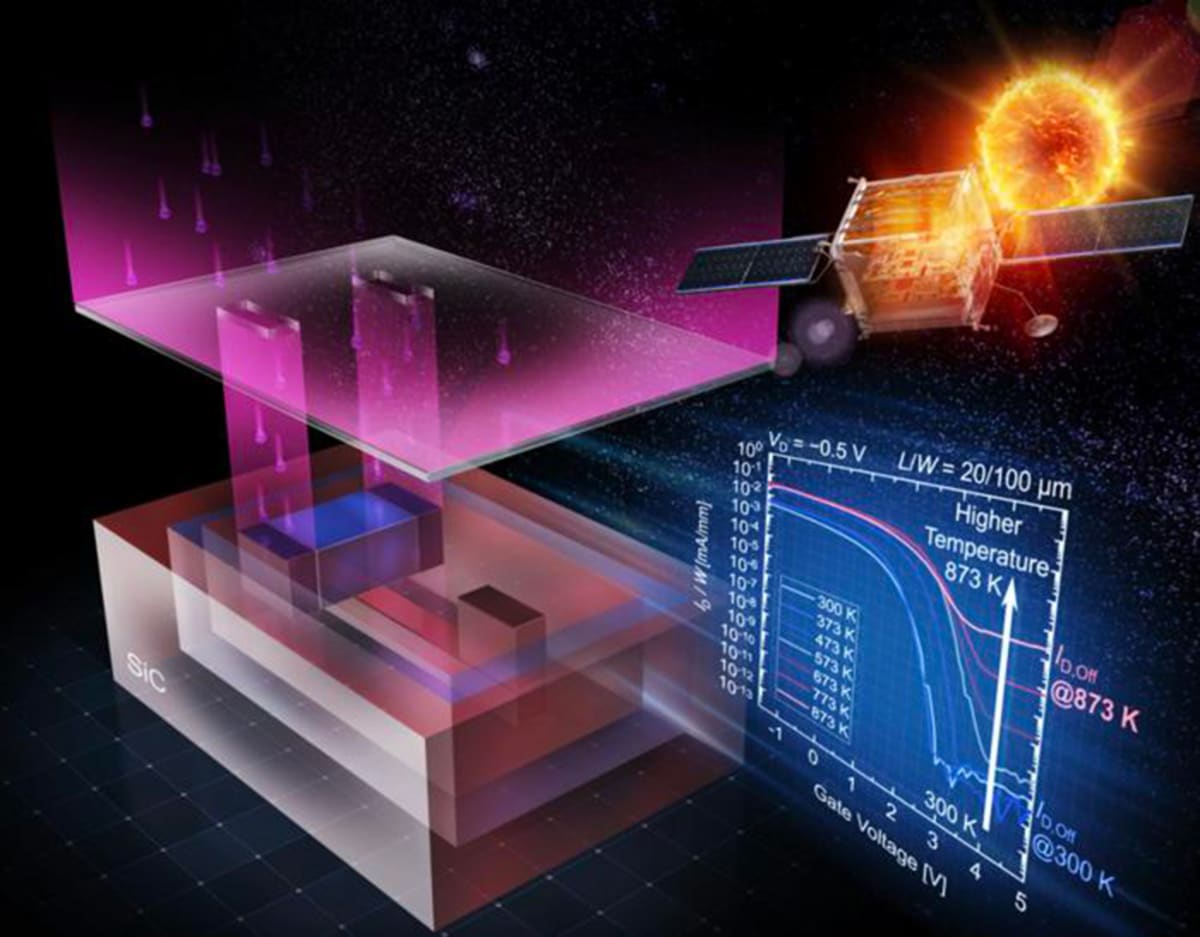
That's about to change. Researchers at Kyoto University just built a transistor that keeps working at temperatures reaching 1,110 degrees Fahrenheit, hot enough to melt lead but cool enough to finally explore Venus properly.
Venus is one of the most mysterious places in our solar system. Its thick carbon dioxide atmosphere traps heat at a scorching 860°F, turning the surface into an electronics graveyard. The Soviet Union's Venera 13 lander holds the survival record at just 2 hours and 7 minutes, set back in 1982.
The problem has always been transistors, the tiny switches that control electrical current in every computer and sensor. Regular silicon transistors fail at high temperatures, and even specialty versions designed for extreme heat couldn't handle Venus for long.
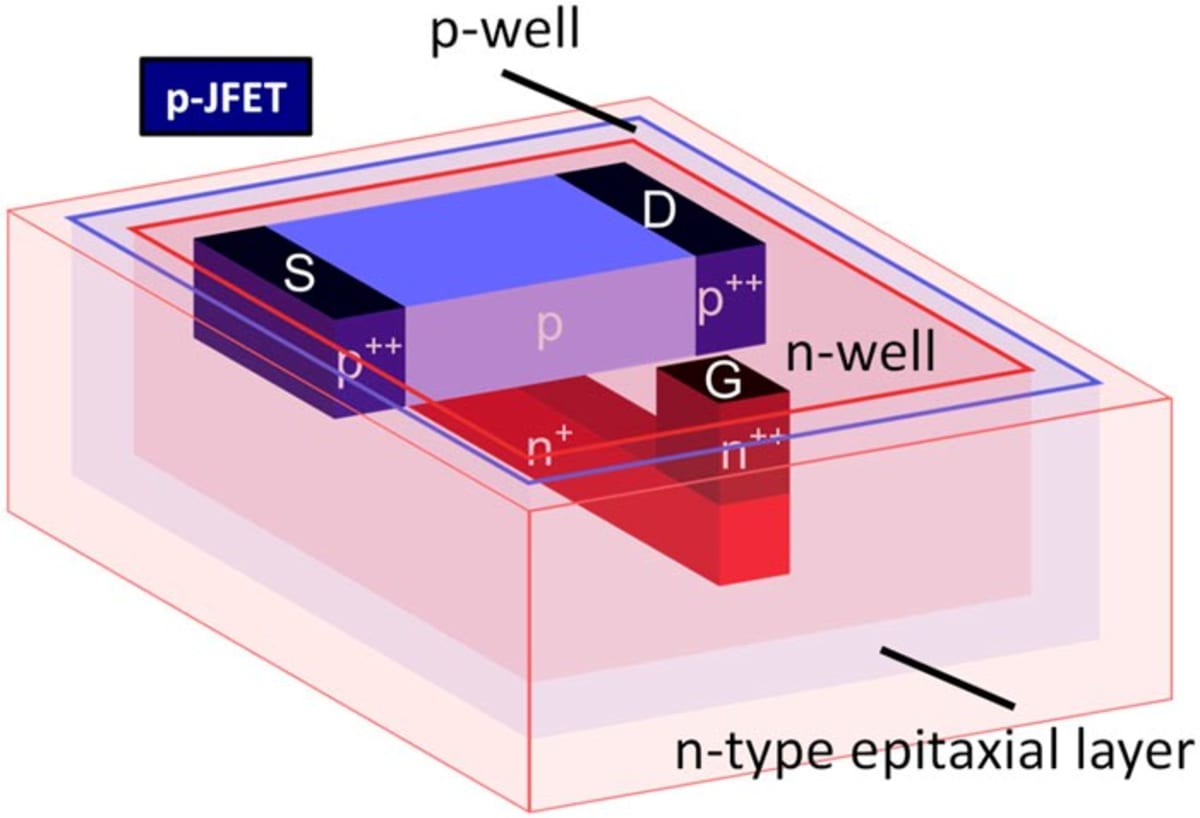
Associate Professor Mitsuaki Kaneko and his team took a completely different approach. Instead of tweaking old designs, they flipped their transistor upside down, literally placing the control gate underneath the conducting channel.
The design uses silicon carbide, a material that naturally resists heat, but solves two problems that stumped other researchers. First, they positioned components so that temperature changes don't throw off the electrical signals. Second, they built barriers that stop current from leaking when the transistor should be off.
The Ripple Effect
This isn't just about Venus. The same technology could transform how we explore other hostile environments right here on Earth.
Geothermal drilling operations struggle with equipment failures in extreme underground heat. Aerospace engineers need sensors that survive inside jet engines. Oil and gas companies could monitor deep wells more reliably. Every industry working in temperatures above 500°F could benefit from electronics that finally keep pace with the heat.
The research team published their breakthrough in the journal APL Electronic Devices in August. They tested their transistor from room temperature all the way up to 1,112°F, and it performed flawlessly across the entire range.
For space exploration, the implications run even deeper. Scientists have long suspected Venus might have once been habitable, possibly even covered in oceans like Earth. Understanding what went wrong there could teach us crucial lessons about climate change and planetary evolution.
With electronics that can survive the surface, future missions could collect soil samples, measure seismic activity, and study the atmosphere for weeks instead of minutes. We might finally answer questions about Venus that have puzzled scientists for generations.
The transistor represents what Kaneko calls moving beyond "silicon-era thinking." Sometimes the biggest breakthroughs come from questioning assumptions everyone else takes for granted.
Our mysterious sister planet just became a little less out of reach.
More Images


Based on reporting by Live Science
This story was written by BrightWire based on verified news reports.
Spread the positivity!
Share this good news with someone who needs it