Helsinki Opens Car-Free Bridge for 50,000 Excited Visitors
Finland just opened one of the world's longest pedestrian bridges, and cars aren't invited. More than 50,000 people walked across the stunning 1,191-meter span during opening weekend.
Helsinki's newest landmark welcomed crowds during its opening weekend as 50,000 people crossed a bridge built exclusively for walkers, cyclists, and public transit.
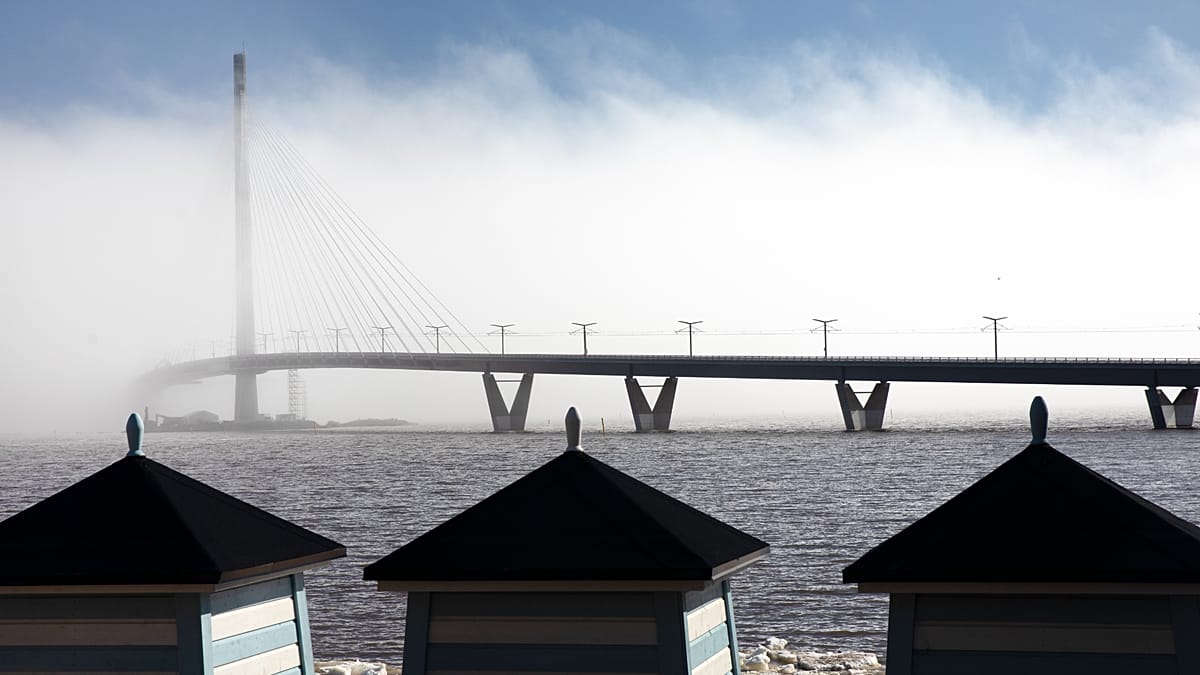
The Kruunuvuorensilta bridge stretches 1,191 meters across the water, making it both the longest and tallest bridge in Finland. Cars won't touch its surface. Instead, the bridge prioritizes people and sustainable transport, connecting neighborhoods that were previously isolated from each other.
The bridge slashed travel distances dramatically. Kruunuvuorenranta now sits just 5.5 kilometers from Helsinki's city center, down from 11 kilometers before. That means shorter commutes, easier access to jobs and services, and neighborhoods that feel more connected to the heart of the city.
Mayor Daniel Sazonov called it "a new, unique and exciting landmark for Helsinki" that will attract visitors from around the world. He emphasized how the bridge fundamentally reshapes the city by linking Kruunuvuorenranta and Laajasalo to the central area in ways previously impossible.
The timing couldn't be better for Helsinki's growing focus on sustainable urban living. By prioritizing pedestrians and cyclists over cars, the city is betting on a future where people move through urban spaces without depending on private vehicles. The bridge becomes both a practical solution and a symbolic statement about what cities can choose to build.
The Ripple Effect
This bridge represents more than just infrastructure. It shows what happens when cities design for people first. The 50,000 visitors during opening weekend weren't just crossing water—they were experiencing public space that puts their needs ahead of cars.
Other cities watching Helsinki's example might find inspiration to rethink their own priorities. Every car-free bridge, bike lane, or pedestrian plaza sends a message about who urban spaces serve. When thousands of people turn out to walk across a bridge on opening weekend, they're voting with their feet for more human-centered design.
Helsinki continues investing in attractions that bring joy without environmental cost, from reopening historic swimming halls to preserving traditional summer cottages at open-air museums.
One bridge connects two neighborhoods, but it also connects Helsinki to a future where walkable cities feel less like a dream and more like daily reality.
More Images

Based on reporting by Euronews
This story was written by BrightWire based on verified news reports.
Spread the positivity!
Share this good news with someone who needs it