Hidden Cameras Reveal Hedgehogs Visit Half of UK Gardens
Scientists equipped 400+ homes with wildlife cameras and discovered hedgehogs visiting more than half of gardens in Chester, offering hope for the vulnerable species. The study reveals how everyday gardens are becoming critical habitats as hedgehog populations decline across the UK.
Your backyard might be more important to wildlife than you ever imagined.
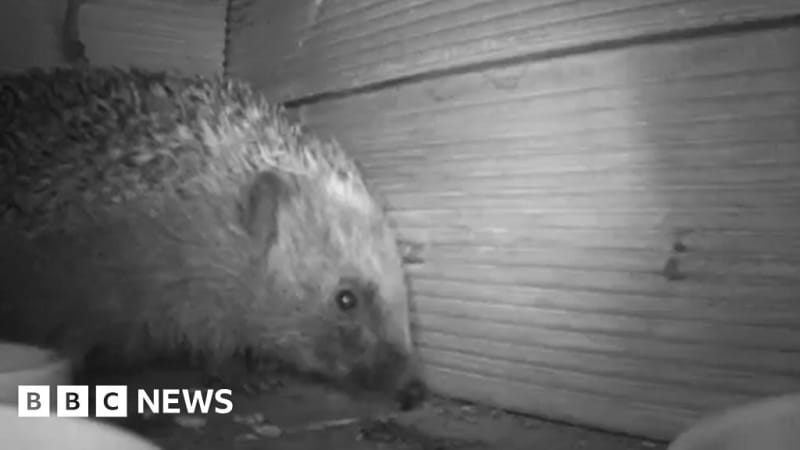
Scientists at Nottingham Trent University and Chester Zoo gave wildlife cameras to over 400 households in Chester to spy on hedgehogs after dark. What they discovered could help save these spiny mammals from extinction in Britain.
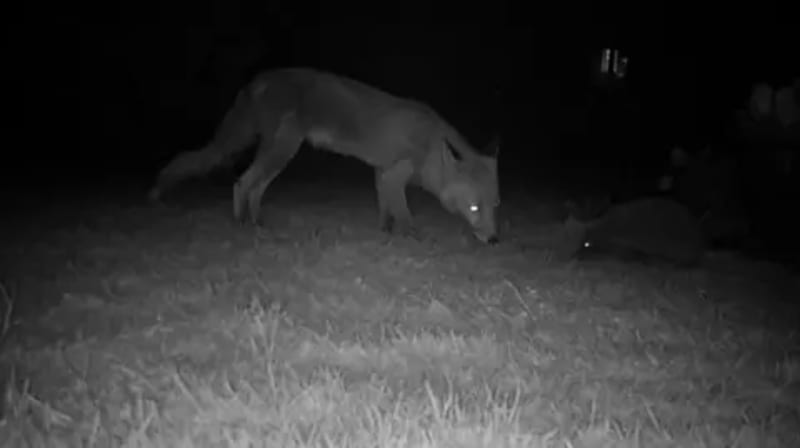
Hedgehogs showed up in more than half of the gardens studied, roaming side by side with foxes and other wildlife. The footage revealed that food was the biggest draw, but gardens offered something even more valuable: a place to survive.
Hedgehog populations have crashed by 30% in cities and 50% in the countryside since 2000. The animals are now listed as vulnerable to extinction in the UK, squeezed out by habitat loss, intensive farming, and deadly roads.
Lead researcher Kelly Hitchcock says gardens have become lifelines. "Hedgehog populations in rural areas have declined, so gardens seem like a really important habitat," she explained. "It's really important that people are aware of that."
The study analyzed thousands of nighttime images alongside specific garden features. While leaving food out attracted the most visits, researchers stress that wildlife friendly spaces matter even more for long term survival.
Hedgehogs need patches of wildflowers, native plants, leaf litter, and log piles to hibernate and breed. They also need holes in fences to roam across neighborhoods, as individual gardens are often too small for their natural range.
The Ripple Effect
Conservation biologist Dr. Rebecca Thomas, who wasn't involved in the study, says suburban gardens are now critical refuges. "The best thing people can do for hedgehogs in gardens is to create wild spaces for them, areas where they can over-winter, mate, live happily," she said.
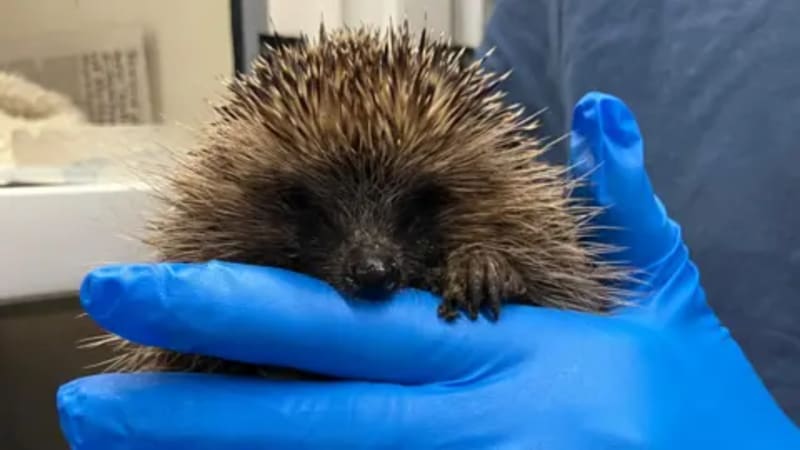
The findings come as rescue charities report increasing numbers of hedgehogs needing help. Sarah Liney of Hedgehog Helpline in South Wales says every rescued hedgehog that returns to the wild can help rebuild populations through breeding.
If you do feed hedgehogs, experts recommend cat biscuits and good hygiene practices. In the wild, hedgehogs don't gather in groups, so feeding stations could accidentally spread disease if not properly maintained.
Hitchcock cautions against making feeding the only focus. "We don't know the long-term impacts," she said, emphasizing that creating natural habitat features remains essential.
The research, published in Urban Ecosystems, shows that ordinary people with ordinary gardens are quietly becoming conservation heroes, one backyard sanctuary at a time.
More Images


Based on reporting by BBC Science
This story was written by BrightWire based on verified news reports.
Spread the positivity!
Share this good news with someone who needs it