Hidden Fungal Network Could Stretch to Nearest Star
Scientists just mapped Earth's hidden underground fungal superhighway for the first time. These tiny organisms stretch 110 quadrillion kilometers and move four billion metric tons of carbon into soil every year.
Beneath your feet right now, an invisible network of fungi connects roughly 70 percent of all plant species on Earth in the most beautiful partnership you've never seen.
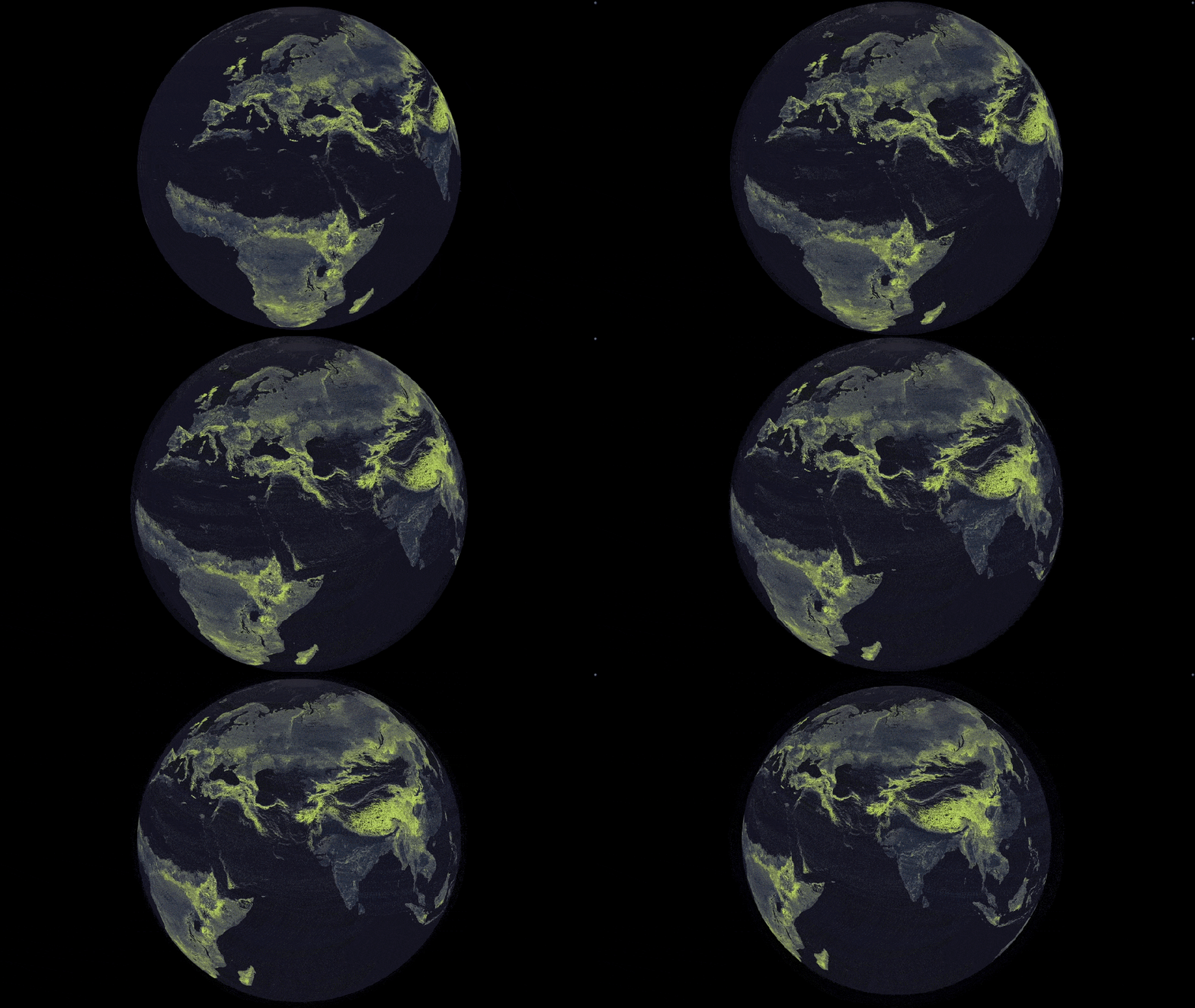
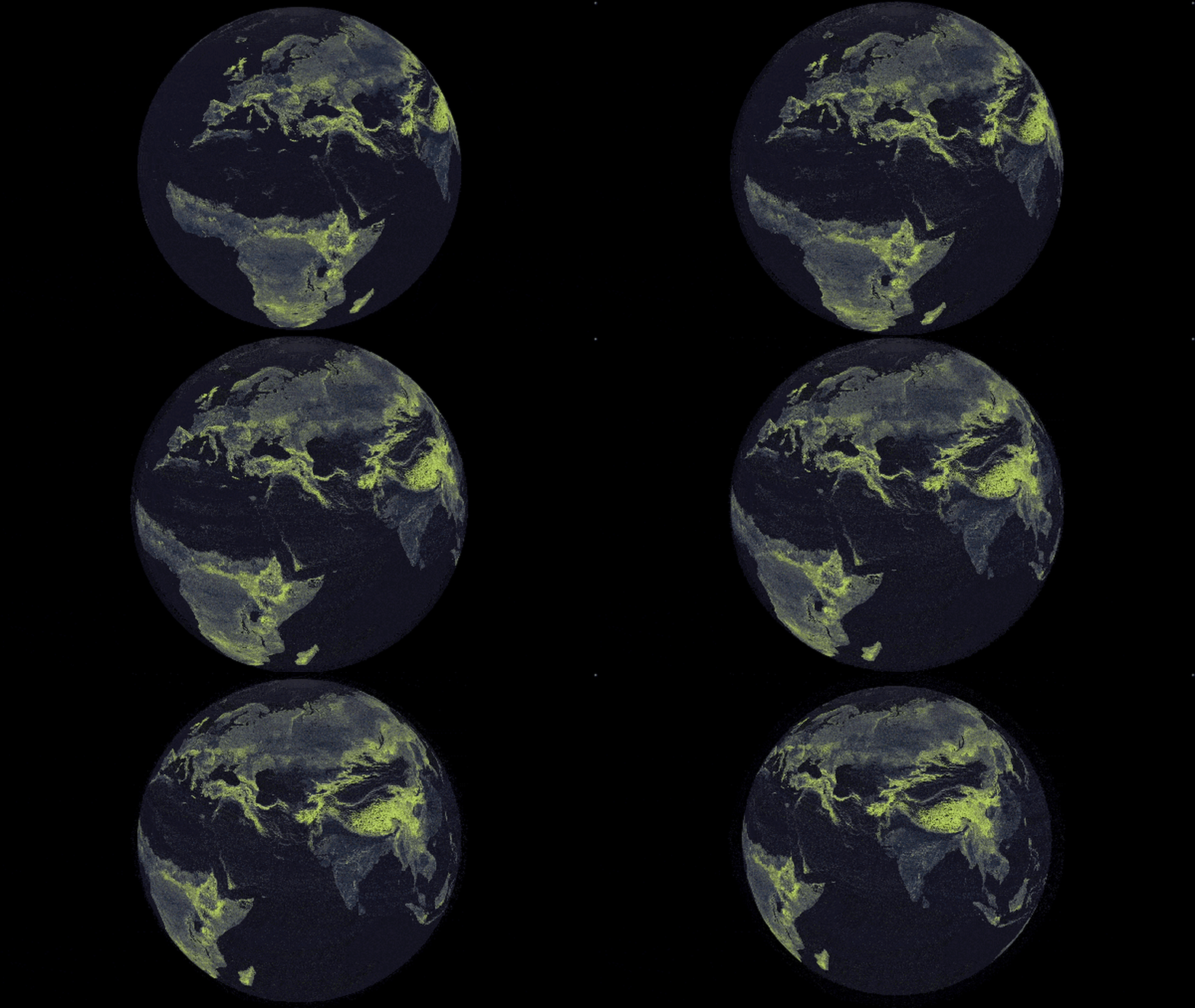
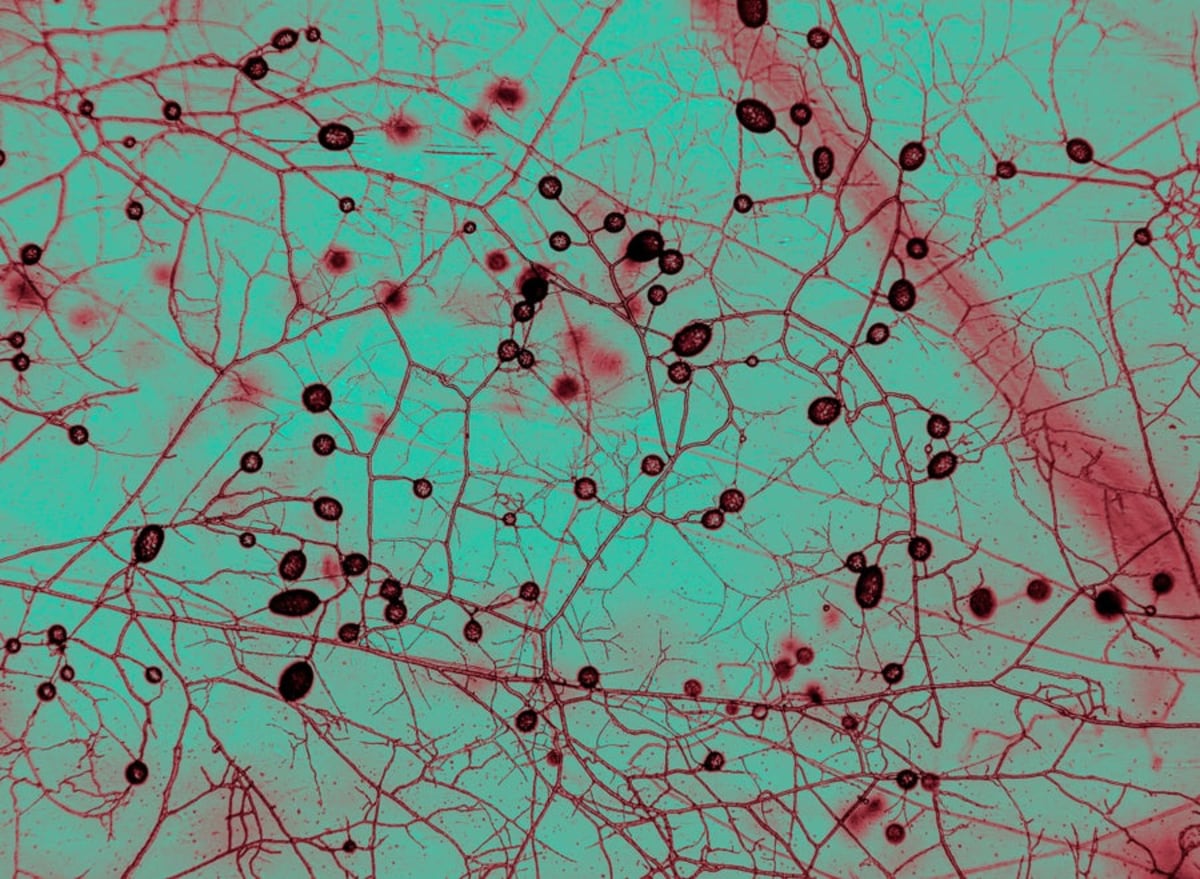
Scientists just created the first high-resolution global map of arbuscular mycorrhizal fungi, revealing the true scale of one of nature's most important collaborations. These microscopic thread-like organisms live in topsoil and trade nutrients with plants in a relationship that's kept our planet thriving for millions of years.
The research team faced a surprisingly tricky challenge: measuring something so tiny yet so vast. Co-author Justin Stewart from the Society for the Protection of Underground Networks compared it to lying under a tree and trying to guess the average width of every single branch.
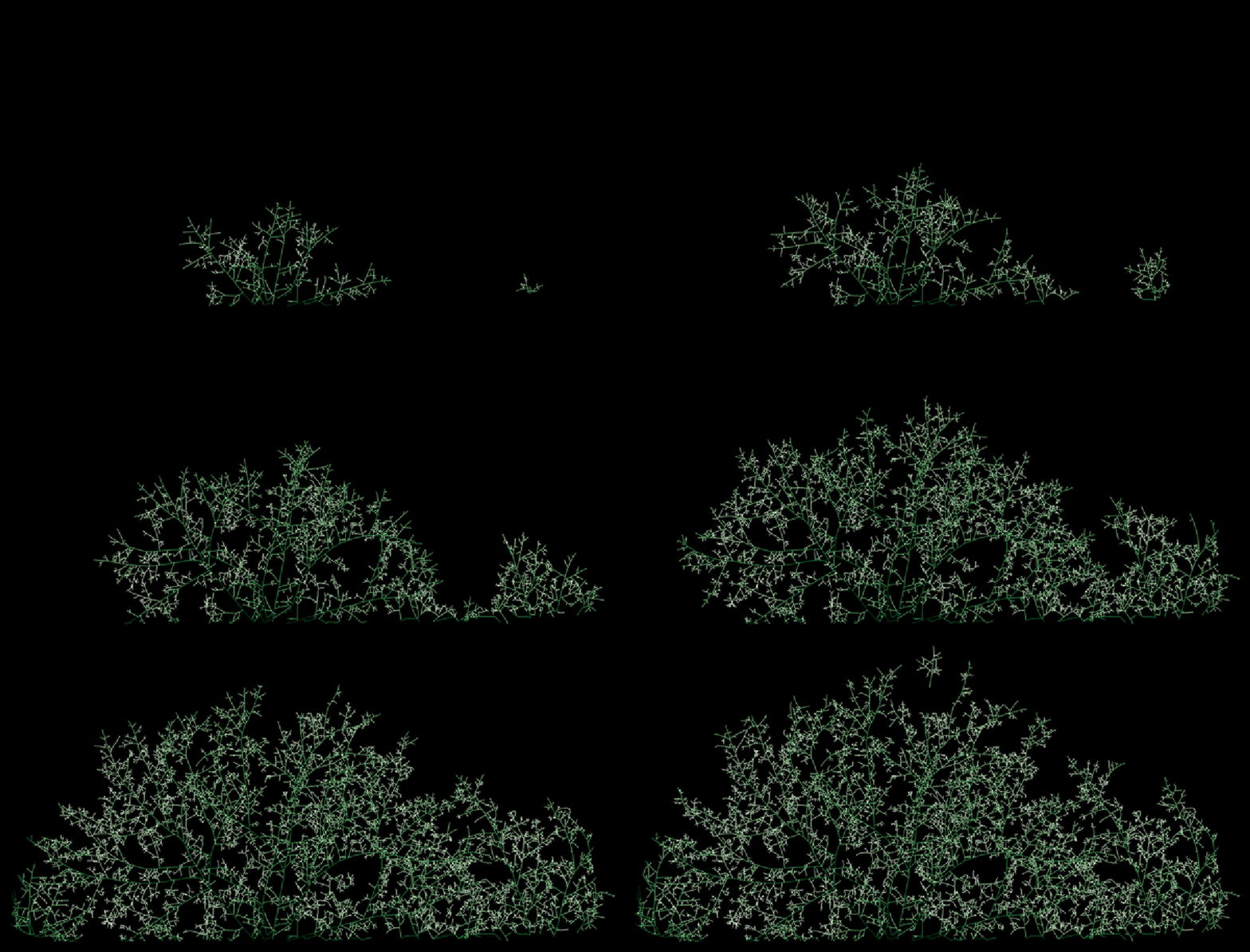
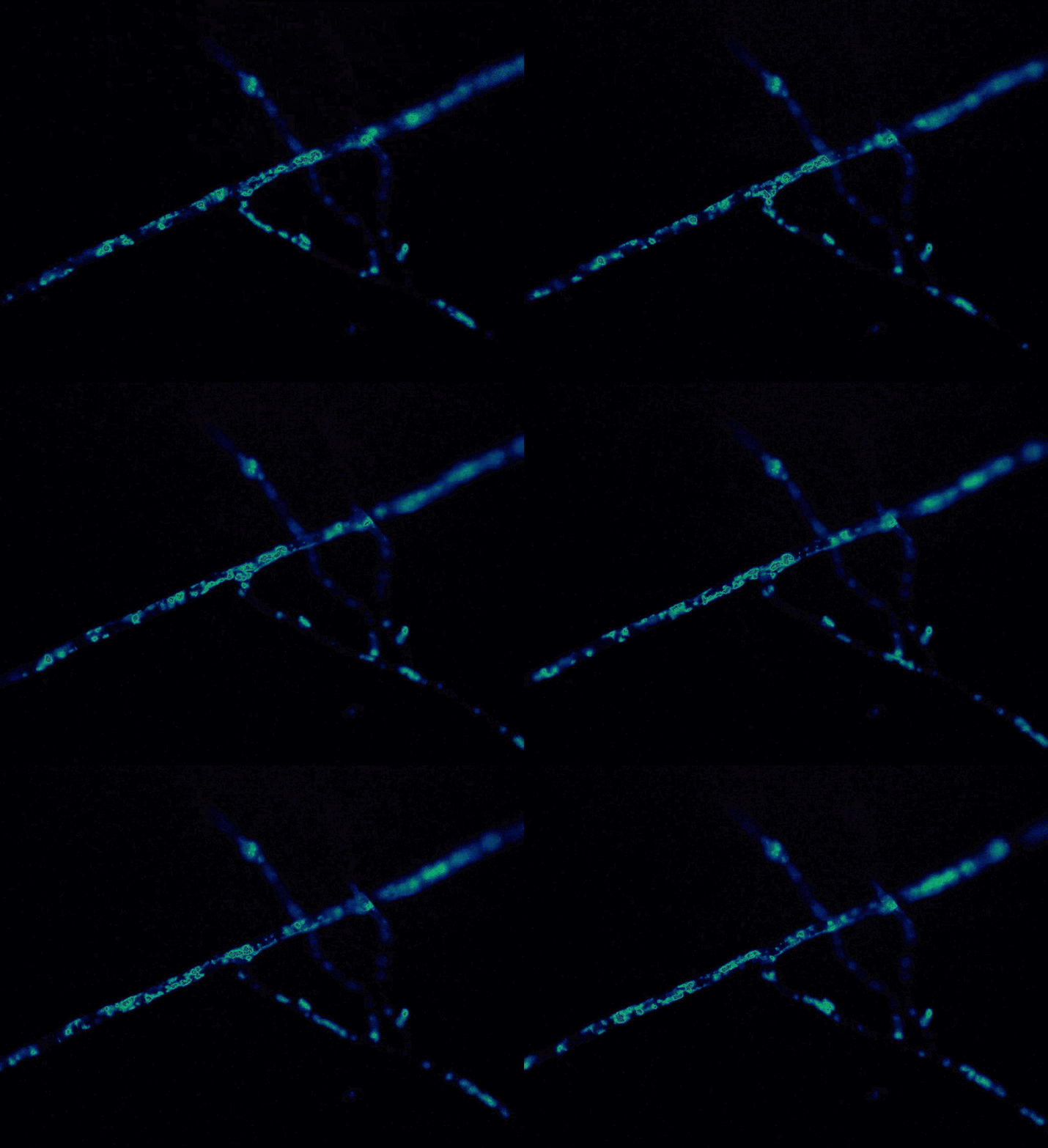
Their solution? A custom robot named Prince captured over 300,000 measurements of growing fungal networks in the lab. Combined with data from 300 studies worldwide and mathematical modeling, the team finally had their answer.
The numbers tell two incredible stories. By weight, these fungi equal five times the mass of every human on Earth combined. The researchers spent weeks double-checking their math because they expected the number to be much higher.
But length tells the real tale. If you laid all this fungal network end to end, it would stretch 110 quadrillion kilometers. That's enough to reach our neighboring star Proxima Centauri and travel back to Earth, with distance to spare.
These fungi do more than just exist underground. They pull roughly four billion metric tons of carbon from plants into the soil each year, playing a crucial role in regulating our climate that scientists are only beginning to understand.
Why This Inspires
Stewart and his team aren't just celebrating what they found. They're excited about what they don't know yet.
The researchers created "maps of ignorance" alongside their main findings, highlighting exactly where their estimates remain uncertain. Stewart calls them treasure maps showing where scientists need to collect more data next.
Nearly 200 researchers are now working with SPUN to fill in those gaps. The team treats their maps as living documents that will grow more accurate as new information arrives from around the world.
What started as a question about fungal mass became a window into Earth's hidden infrastructure. Every square kilometer of soil on the planet now has its own piece of this puzzle mapped and ready to reveal more secrets.
This invisible network has been supporting life on Earth long before humans arrived, and now we're finally seeing it clearly for the first time.
More Images
Based on reporting by Scientific American
This story was written by BrightWire based on verified news reports.
Spread the positivity!
Share this good news with someone who needs it