Hidden Gene Solves Mystery of Rare Movement Disorder
Scientists analyzed nearly 3,000 patients and discovered that a gene previously thought to only affect immunity actually causes a rare neurological condition. The breakthrough could help diagnose people who've lived years without answers about their movement difficulties.
For thousands of people living with unexplained movement problems, a mystery that stumped doctors for generations finally has an answer.
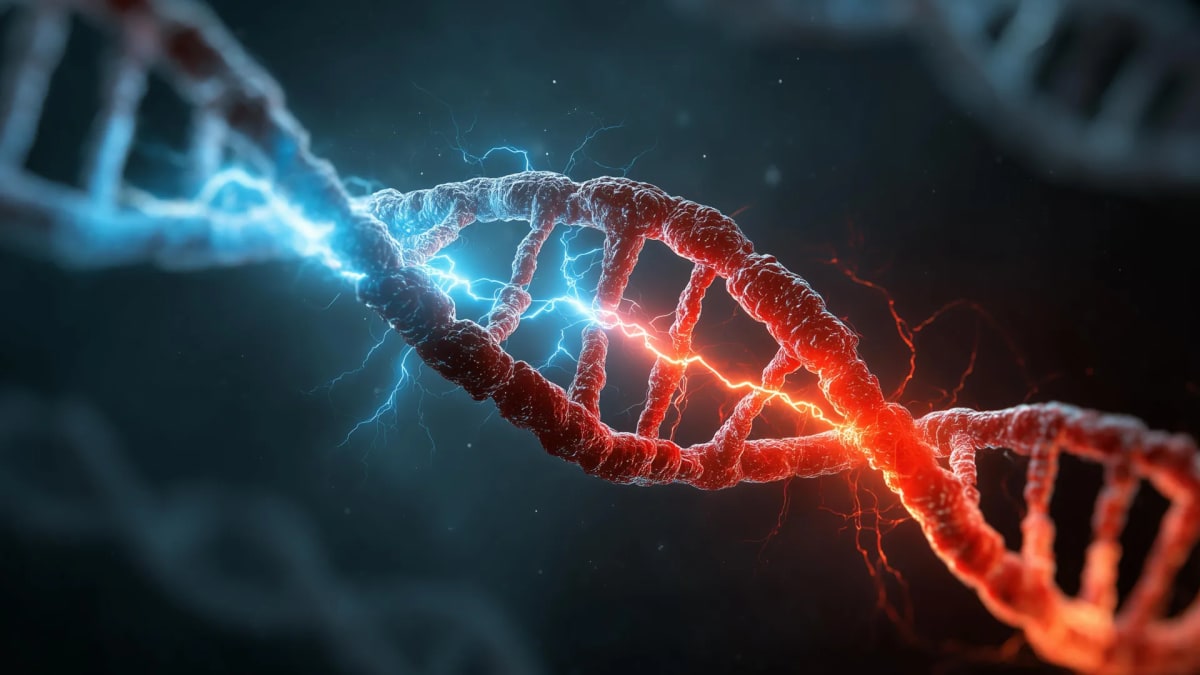
Researchers in Germany studied 2,811 patients with rare movement disorders and uncovered something remarkable. A gene called CD99L2, which scientists believed only played a role in the immune system, actually causes a condition called X-linked spastic ataxia when it malfunctions.
The discovery means families who've spent years searching for a diagnosis now have concrete answers. It also opens the door for better genetic testing that could identify the condition earlier, helping doctors provide targeted care instead of trial and error treatments.
Dr. Jonasz Weber and his team at Ruhr University Bochum pieced together how the gene works in the brain. They found that CD99L2 produces a protein that partners with another molecule called CAPN1 to keep nerve cells communicating properly.
When mutations disrupt CD99L2, it can't activate CAPN1 the way it should. This breakdown in the cellular partnership interferes with the signals nerves send to control movement, explaining why patients experience coordination problems and muscle stiffness.
Why This Inspires
This breakthrough shows what happens when scientists refuse to accept "we don't know" as a final answer. The research team combined genetic testing with detailed studies of how cells actually function, proving that collaboration across different scientific fields can crack cases that seemed unsolvable.
The study, published in Nature Communications, demonstrates how far medical science has come in understanding rare diseases. Just a generation ago, people with unexplained movement disorders often went their entire lives without knowing what caused their symptoms.
Now, a single gene discovery could change the trajectory for countless families. Parents watching their children struggle with coordination issues might finally get clarity. Adults who've adapted their lives around mysterious symptoms could learn the biological reason behind their challenges.
The findings also give researchers new clues about how other neurodegenerative diseases develop. Understanding one piece of the puzzle often illuminates connections scientists hadn't considered before.
Beyond diagnosis, identifying CD99L2 as the culprit creates possibilities for future treatments. When you know exactly what's going wrong at the cellular level, you can start exploring ways to fix it.
For now, the immediate gift is knowledge. Families can stop wondering, doctors can provide better counseling about what to expect, and researchers have a clear target for developing therapies that could one day help people with this condition live fuller lives.
Based on reporting by Health Daily
This story was written by BrightWire based on verified news reports.
Spread the positivity!
Share this good news with someone who needs it