Hidden Kiln Found at Jefferson's Monticello Estate
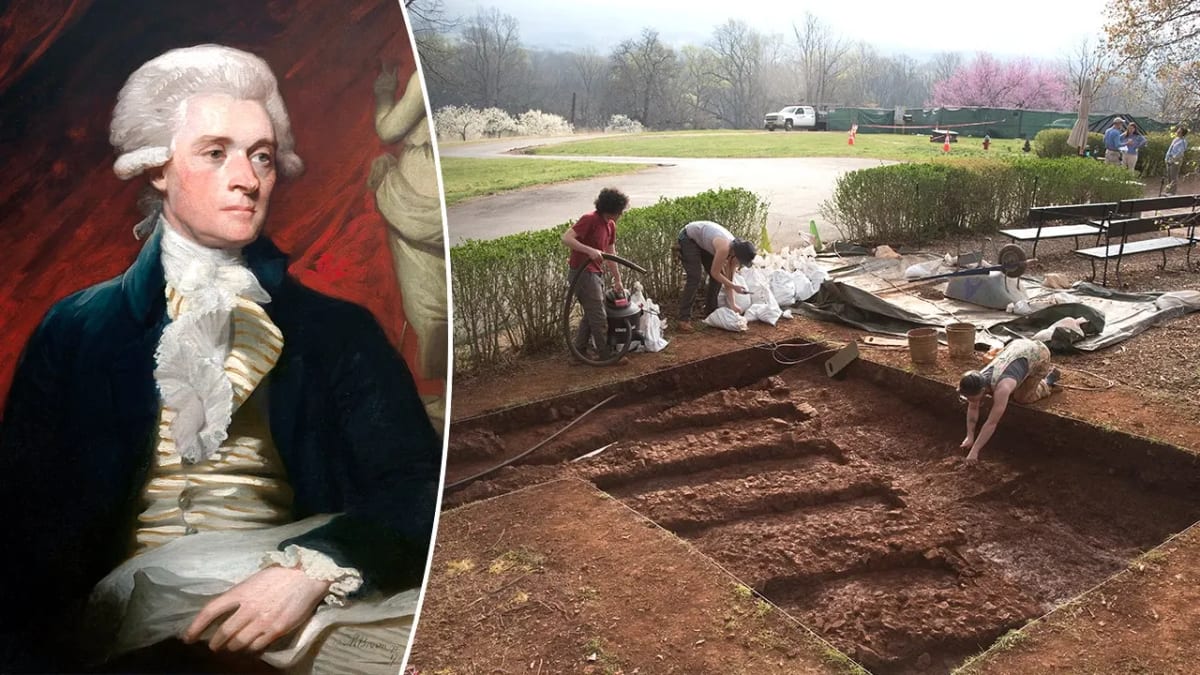
Archaeologists just discovered a secret brick kiln at Thomas Jefferson's Monticello that helped build his home before he wrote the Declaration of Independence. The find reveals construction details Jefferson never recorded in any of his meticulous notes or maps.
Archaeologists digging at Thomas Jefferson's Monticello estate have uncovered a piece of American history that even the famously detail-oriented Founding Father never wrote down. A brick kiln dating to the early 1770s was recently found on the east side of Jefferson's Virginia home, hidden underground for nearly 250 years.
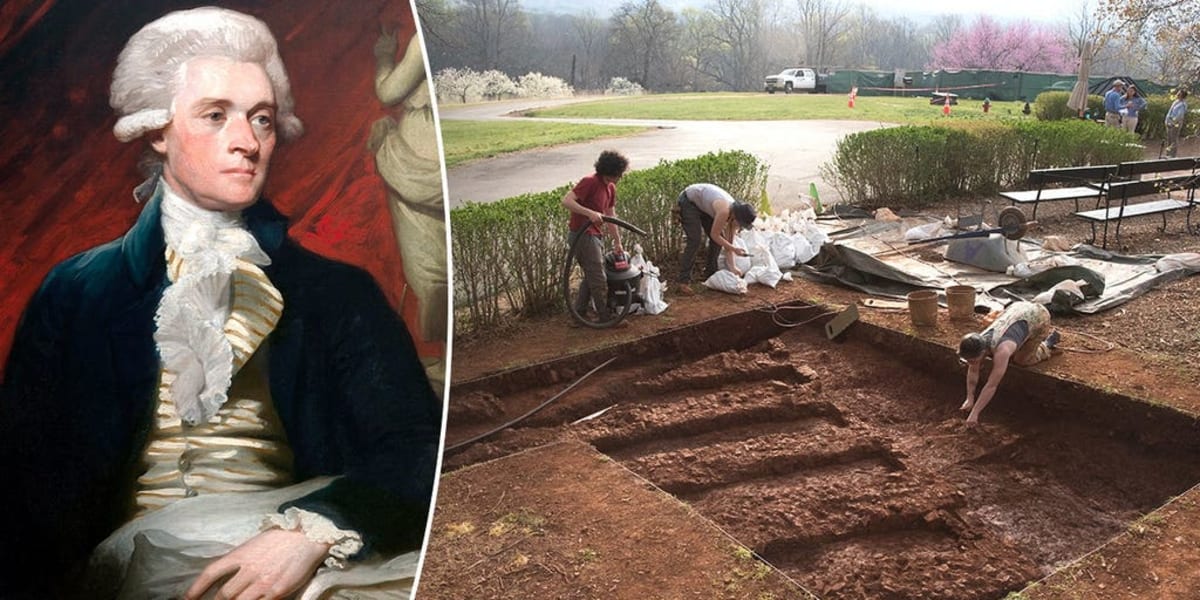
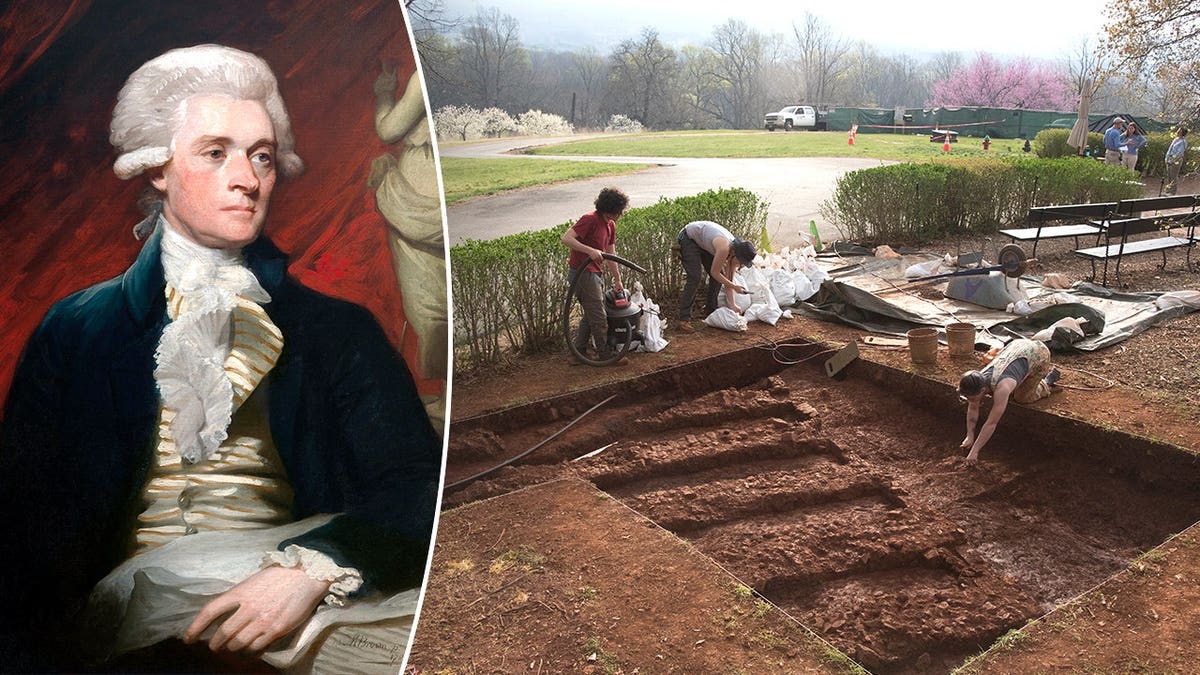
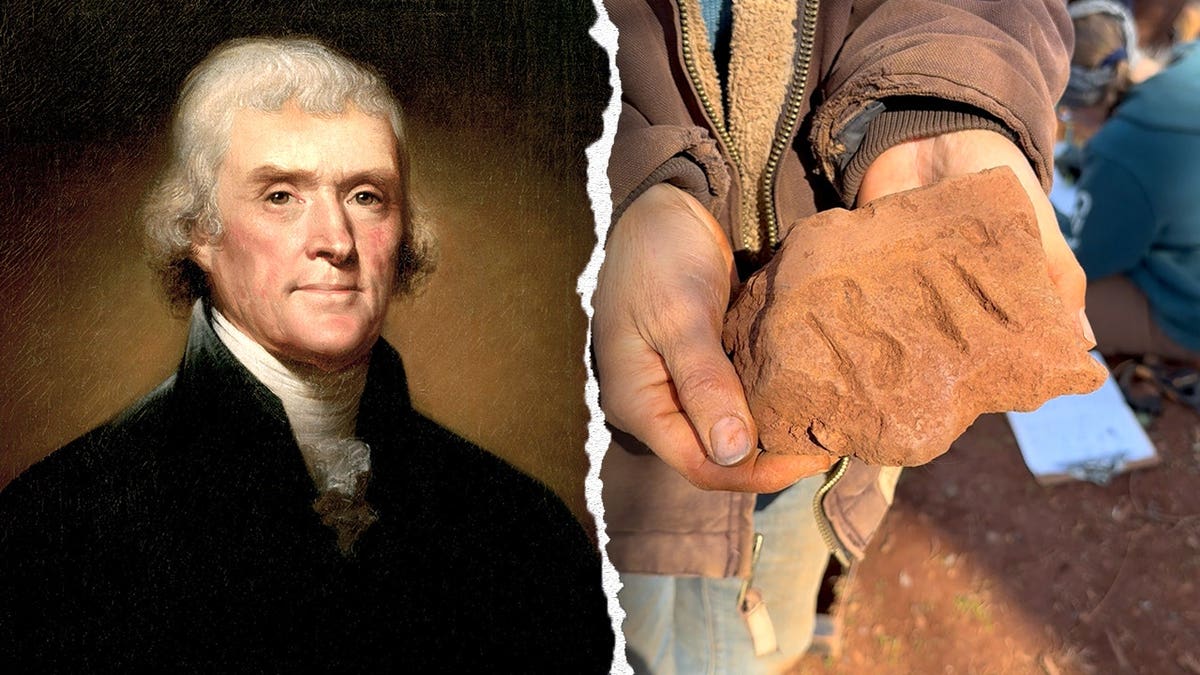
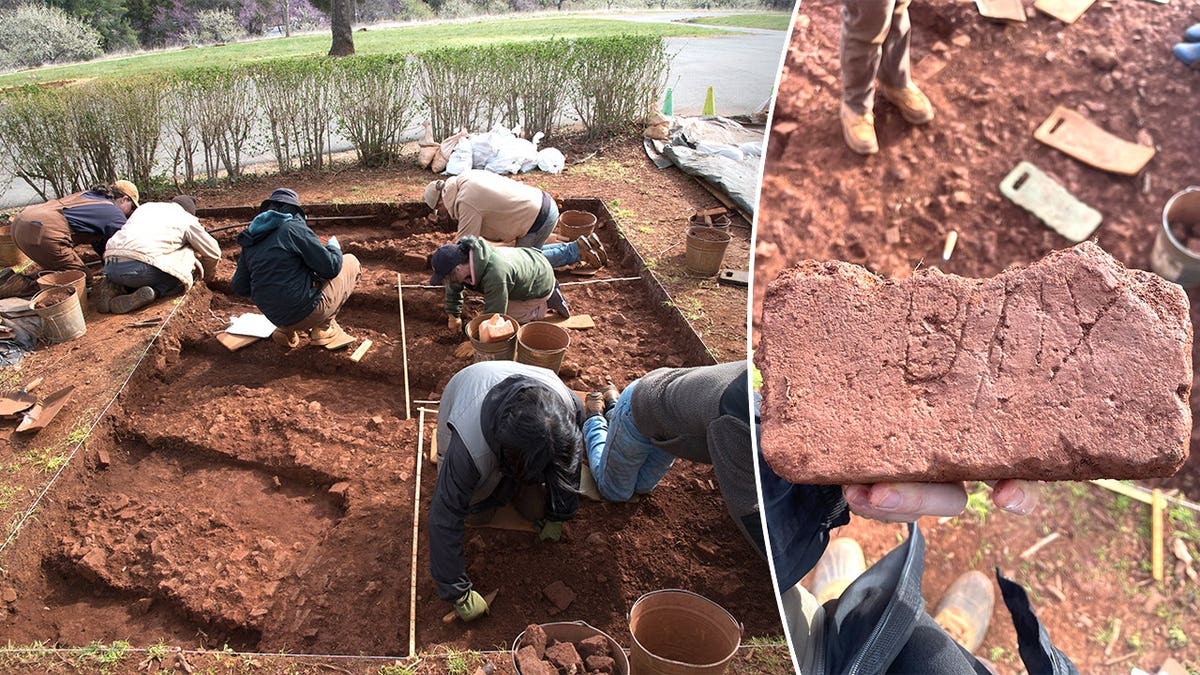
The discovery happened during an excavation that began in March. Researchers immediately noticed something unusual: evenly spaced brick channels filled with overcooked rubble and soil baked hard by intense heat.
"While the team and I weren't sure of what we were looking at initially, that pattern is a telltale sign of a brick kiln," said Crystal O'Connor, manager of archaeological field research at Monticello. The kiln functioned as a massive temporary oven where workers stacked thousands of unfired bricks and kept fires burning for days until they hardened.
This wasn't just any construction project. The kiln produced bricks for Monticello I, the first version of Jefferson's home, built before he penned the Declaration of Independence in 1776.
The site revealed decorative bricks with curved and S-shaped profiles that match the dining room wall dating to around 1772. These custom pieces don't appear anywhere else on the house and represent what O'Connor calls "a crazy amount of customization."
Records show the kiln was likely operated by George Dudley or William Bishop, two hired workmen, and relied heavily on enslaved labor. Jefferson knew about the kiln because he contracted for specific numbers of bricks before each building campaign, though he wouldn't have overseen the actual firings.
Why This Inspires
This discovery proves that even at one of America's most documented historic sites, there's still more to learn. The kiln never appeared in Jefferson's extensive maps, drawings, notes, or letters, yet it played a crucial role in creating the home where he would write and think about American independence.
O'Connor's team found evidence that Jefferson calculated whether hauling finished bricks uphill or producing them on site was more efficient in late 1774. The discovery suggests practical concerns from the workers themselves may have influenced Jefferson's decision to eventually move brick production downhill, closer to raw materials.
The find reminds us that history isn't just what gets written down. Sometimes the most important stories are literally buried beneath our feet, waiting for the right moment to come to light.
More Images
Based on reporting by Fox News Travel
This story was written by BrightWire based on verified news reports.
Spread the positivity!
Share this good news with someone who needs it
%2Fhttps%3A%2F%2Ftf-cmsv2-smithsonianmag-media.s3.amazonaws.com%2Ffiler_public%2F95%2F43%2F9543c0d6-d8e6-41b5-acd2-e351ebf3f44a%2Fvikingesoelvskat-rebild-2026-6-2048x1365.jpeg)