Hiker Discovers 280-Million-Year-Old Lost World in Alps
A routine walk in the Italian Alps turned into a groundbreaking scientific discovery when Claudia Steffensen spotted strange patterns that revealed an entire ancient ecosystem. The find offers both a window into Earth's prehistoric past and important lessons for our climate future.
Claudia Steffensen was just looking for a nice hike in 2023 when she noticed something odd etched into a rock beneath her feet in Italy's Orobie Valtellina Mountain Park. Those curious circular patterns turned out to be 280-million-year-old reptile footprints that would unlock an entire lost world.
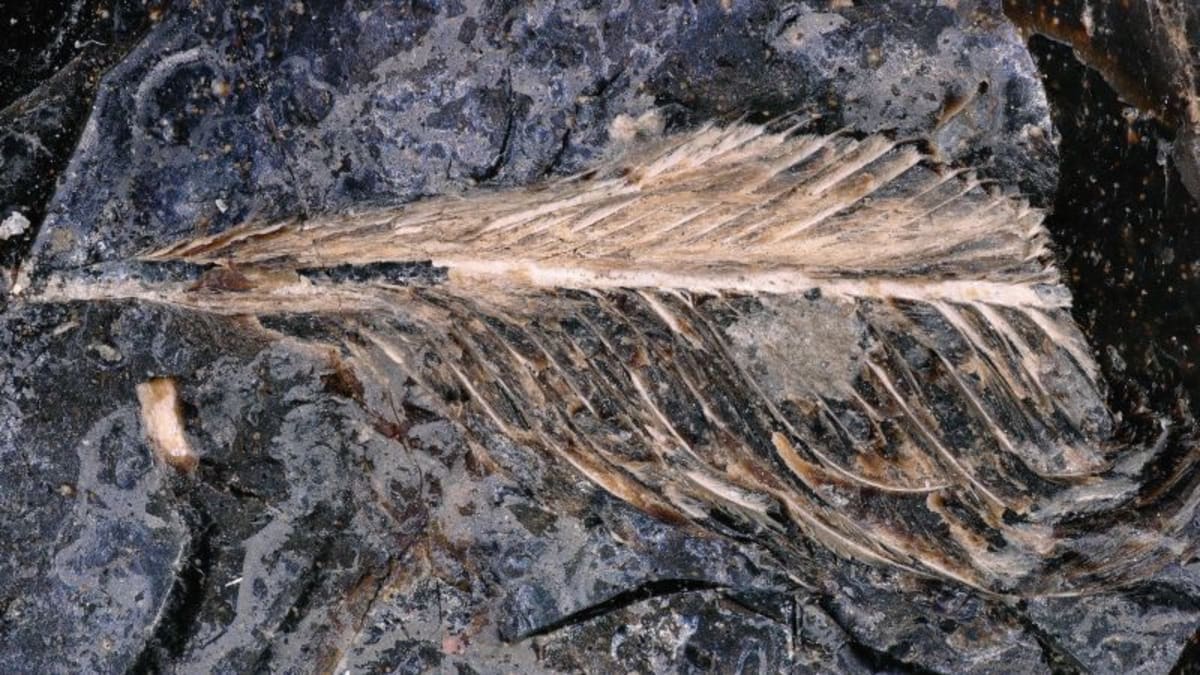
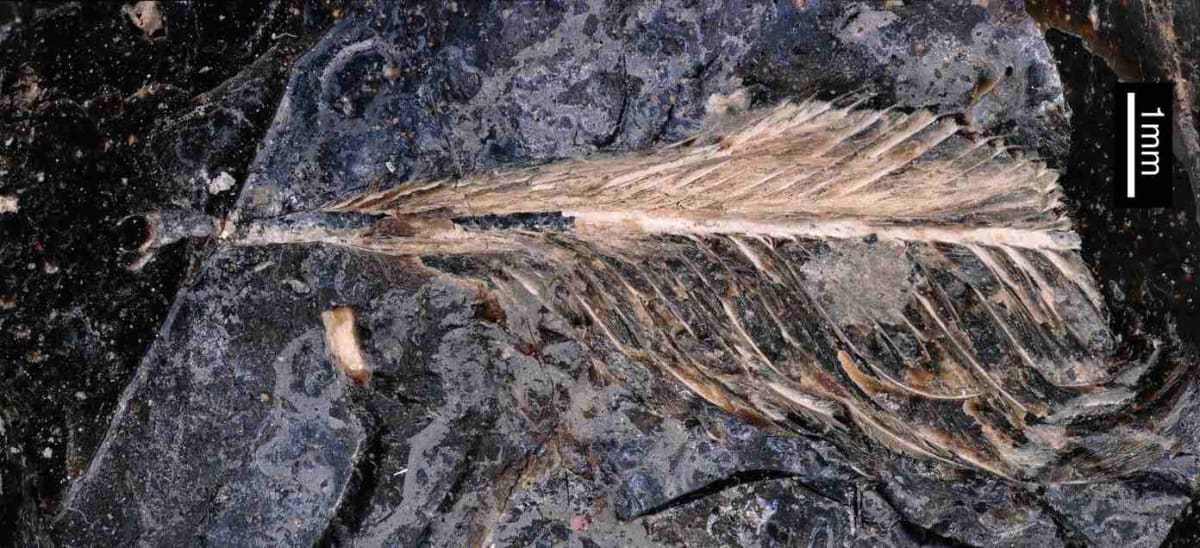
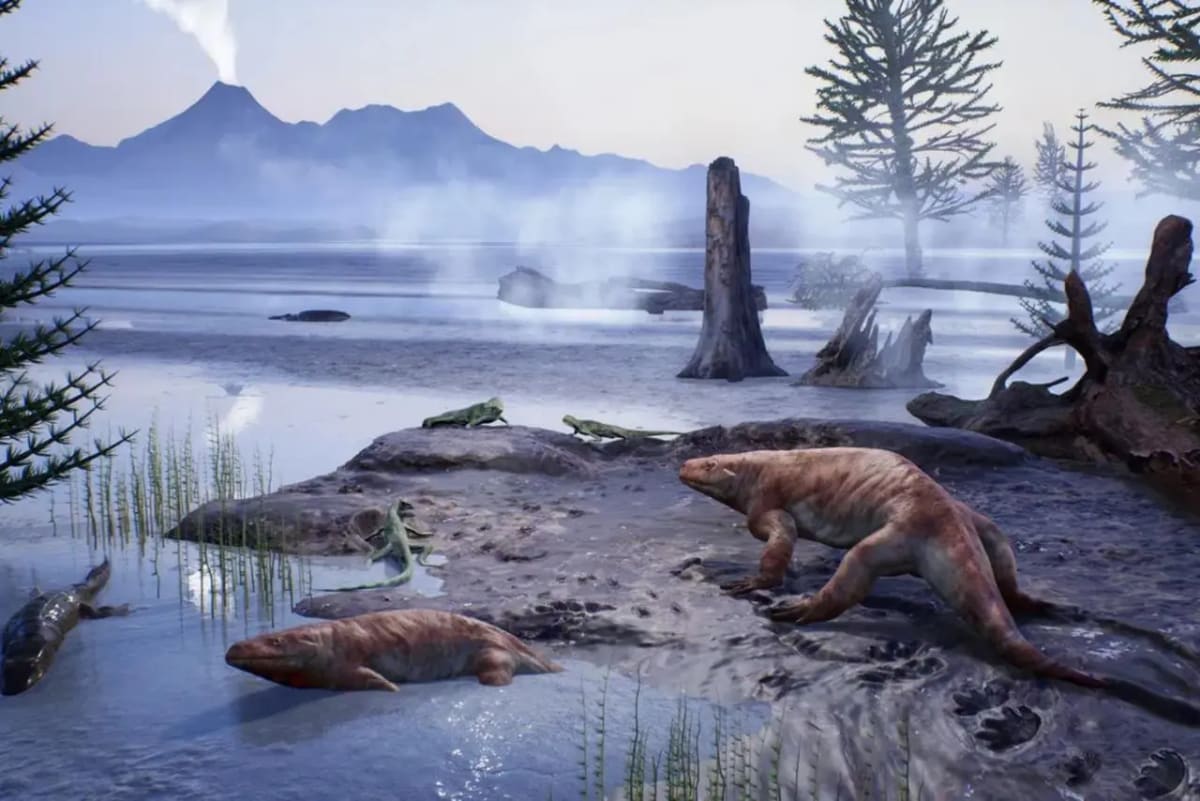
Scientists quickly descended on what they now call the "zero rock" and discovered far more than a few prehistoric tracks. They found a complete ecosystem frozen in time from the Permian period, an era that ended with the catastrophic "Great Extinction."
The preservation is remarkably detailed. The area once sat at the edge of an ancient lake, where muddy shores captured every tiny detail before hardening into stone.
"The footprints were made when those sandstones and shales were still waterlogged sand and mud at the banks of rivers and lakes," explains Ausonio Ronchi, a paleontologist at the University of Pavia. The fine sediment preserved everything from claw marks to belly drag patterns with stunning clarity.
Researchers have identified at least five different animal species, some as large as modern Komodo dragons. Even more amazing, they found fossilized plants and actual raindrop imprints, painting a vivid picture of this tropical world that existed before dinosaurs even evolved.
The creatures that left the largest footprints "must have been of considerable size," notes Cristiano Dal Sasso from Milan's Natural History Museum. These animals roamed during a period of rapid global warming, a detail that makes this discovery especially relevant today.
Why This Inspires
Climate change is revealing these hidden treasures as Alpine snow and ice melt faster than ever before. What seemed like purely bad news has an unexpected silver lining: we're gaining unprecedented access to our planet's history precisely when we need those lessons most.
"These fossils bear witness to a distant geological era, but one showing a global warming trend remarkably similar to today's," researchers emphasize. This ancient climate snapshot offers crucial perspective on the challenges we face now and how ecosystems respond to dramatic environmental shifts.
The discovery reminds us that Earth has weathered massive changes before, but also that those changes left permanent marks. Understanding how life adapted and failed in the past helps us protect the ecosystems we have today.
One curious hiker changed science simply by looking down at her feet, proving that the next big discovery might be hiding in plain sight on your next walk.
More Images



Based on reporting by Google: scientific discovery
This story was written by BrightWire based on verified news reports.
Spread the positivity!
Share this good news with someone who needs it