Honeybees Recognize Human Faces With Brains Smaller Than Pins
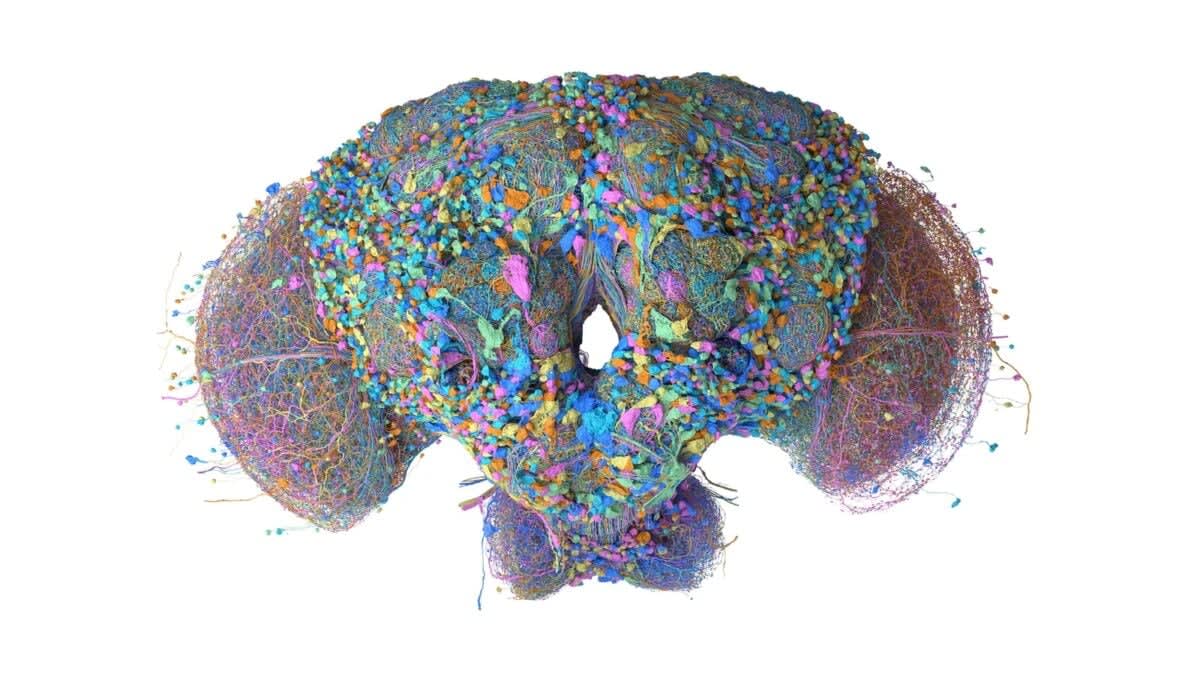
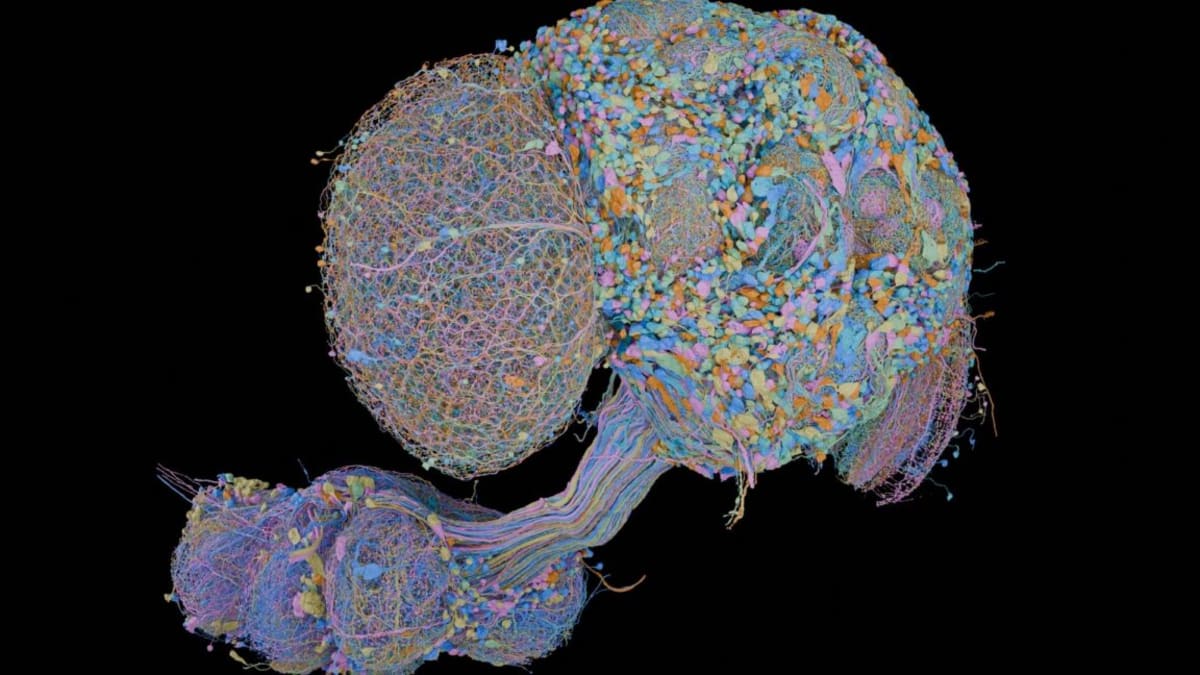
Scientists discovered that honeybees can identify individual human faces despite having brains containing just one million neurons compared to our 86 billion. This tiny miracle challenges everything we thought we knew about what it takes to solve complex problems.
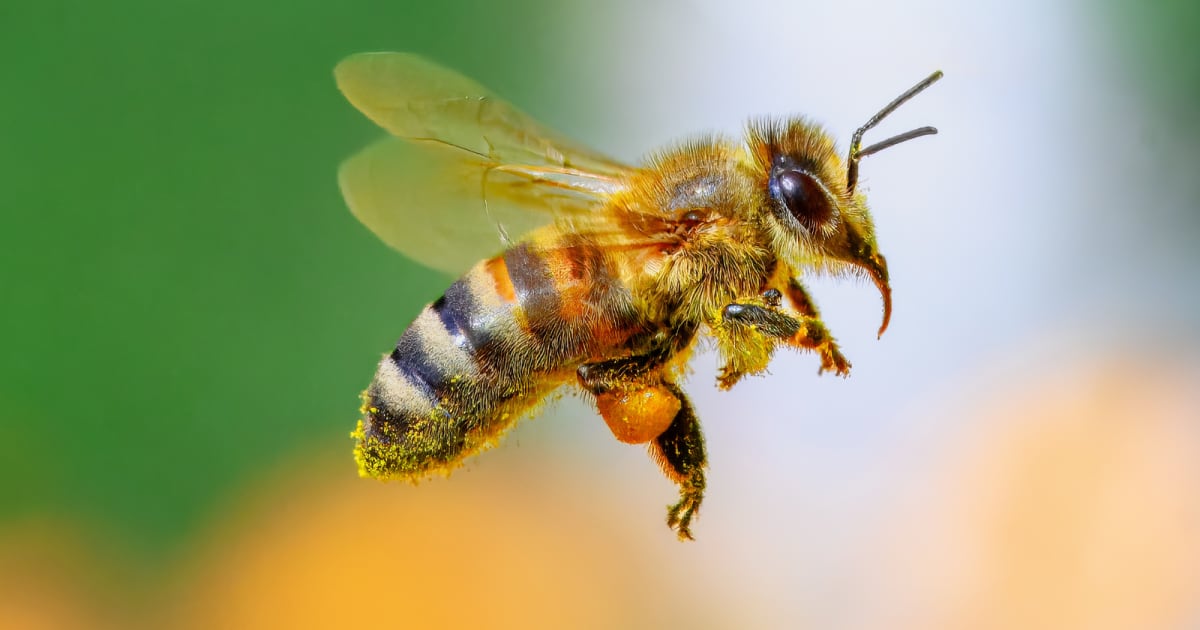
A honeybee's brain is roughly one millimeter across, smaller than the head of a pin, yet researchers have proven these tiny insects can master a task once thought to require massive, specialized brains: recognizing individual human faces.
The discovery began in 2005 when scientist Adrian Dyer and his team trained honeybees to identify specific human faces from psychology test photographs. The bees learned to distinguish between different faces with over 80 percent accuracy, remembering the trained faces for at least two days after learning.
The training method was elegantly simple. Researchers showed bees photographs of human faces with standardized lighting and backgrounds, rewarding correct choices with sugar water and incorrect ones with bitter quinine solution. The bees had never encountered human faces in their evolutionary history, but they learned anyway because the reward made it worthwhile.
What makes this even more remarkable is how the bees accomplished the task. A 2010 follow-up study revealed they use the same strategy human brains employ: configural processing. Instead of memorizing individual features like eyes or noses, the bees learned the spatial relationships between features, recognizing faces as complete patterns.
When researchers rearranged facial features into non-face-like patterns, the trained bees no longer recognized them, even though all the individual parts were present. But when features were scaled, rotated, or moved together as a group, the bees maintained recognition. They were reading faces the same way we do.
Why This Inspires
This discovery flips our assumptions about intelligence and problem-solving on their head. We've long believed that complex tasks require complex brains, dedicating entire research fields to studying specialized brain regions like the human fusiform face area.
Yet here are honeybees, with roughly 960,000 neurons compared to our 86 billion (about one ten-thousandth the ratio), solving the same puzzle. They don't need specialized neural real estate or millions of years of evolution. They just need the right learning strategy and motivation.
The implications reach far beyond bees and faces. If insects with millimeter-sized brains can master tasks we thought required massive neural hardware, what other problems might have simpler solutions than we imagined? What other capabilities might be hiding in the smallest creatures around us?
These findings suggest that intelligence isn't just about size or specialization but about flexible learning systems that can adapt to new challenges. Sometimes the most profound insights come in the smallest packages, delivered by a creature most of us barely notice as it moves from flower to flower.
More Images



Based on reporting by Google News - Science
This story was written by BrightWire based on verified news reports.
Spread the positivity!
Share this good news with someone who needs it