Hong Kong Maps Aerospace Future as First Astronaut Launches
Hong Kong is positioning itself as a key player in the global space economy, with experts charting a path for the city to contribute billions in growth. The announcement comes as Hong Kong's Lai Ka-ying becomes the city's first astronaut, joining China's Shenzhou-23 mission.
Hong Kong just sent its first astronaut to space, and industry leaders say this is only the beginning of the city's cosmic ambitions.
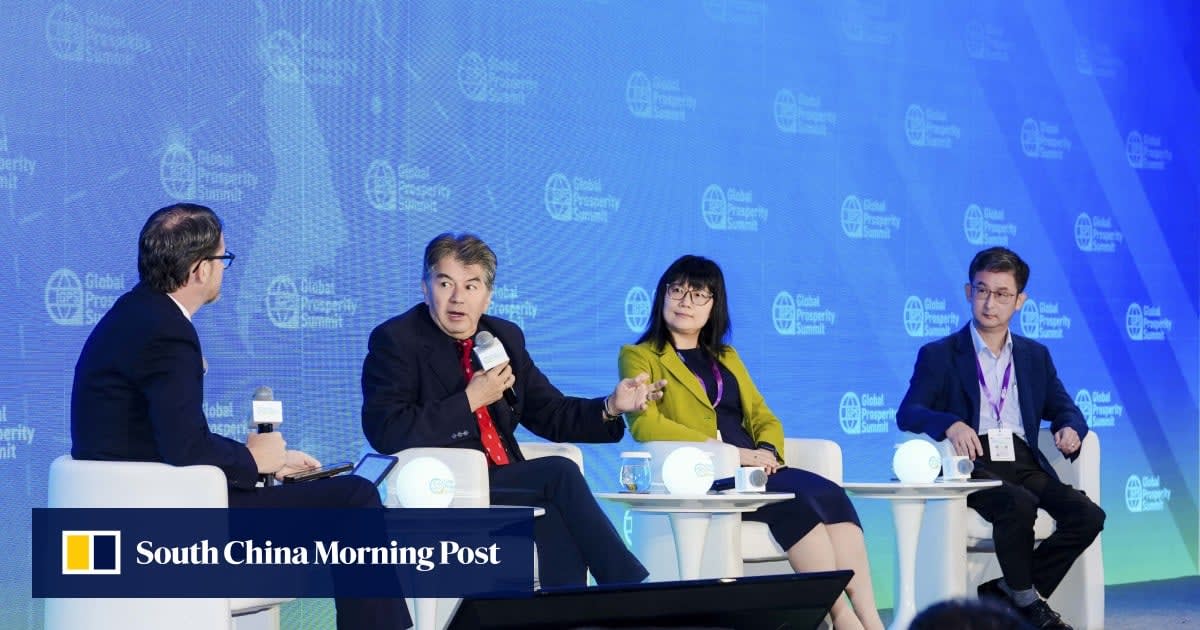
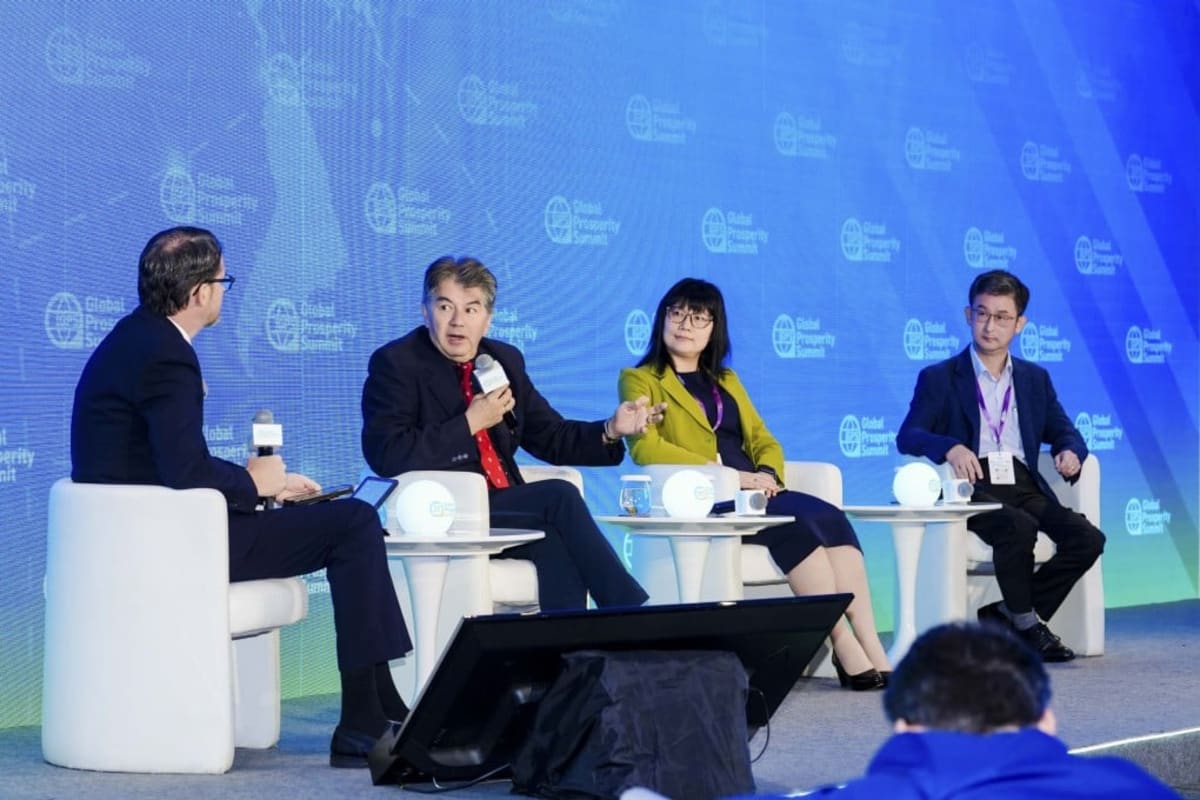
Lai Ka-ying's historic journey to China's Tiangong space station marks a turning point for Hong Kong. At the Global Prosperity Summit 2026, aerospace experts gathered to map out how the city can capture its share of a space economy projected to nearly triple from $630 billion to $1.8 trillion by 2035.
The key insight? Hong Kong doesn't need to build rockets to reach for the stars.
Professor Bernard Foing, executive director of the International Lunar Exploration Working Group, told summit attendees that Hong Kong's real strength lies in its expertise with artificial intelligence, data analysis, and professional services. The city can become an architect of next-generation spacecraft by focusing on intelligent systems and software rather than hardware.
"Newcomers with strong computer and AI skills can make a huge difference," Foing explained. He emphasized that solutions developed in Hong Kong could expand globally thanks to the city's strong international connections.
The experts agree on one urgent priority: Hong Kong needs a dedicated space office. Professor Gao Yang, who directs the Space Robotics and Energy Centre, pointed out that the timing is perfect as the aerospace industry shifts from traditional models to a new space paradigm.
"Hong Kong can seize the moment to fully leverage its strengths in scientific research and innovation," Gao said. She noted the city's established advantages in rule of law and financial services would prove essential for aerospace development.
Dr Roger Tong, CEO of Asia Satellite Telecommunications Company, stressed that a government space office would align university research, talent development, and international participation. "I think it's absolutely important," he said, acknowledging Hong Kong is catching up but moving fast.
The Ripple Effect
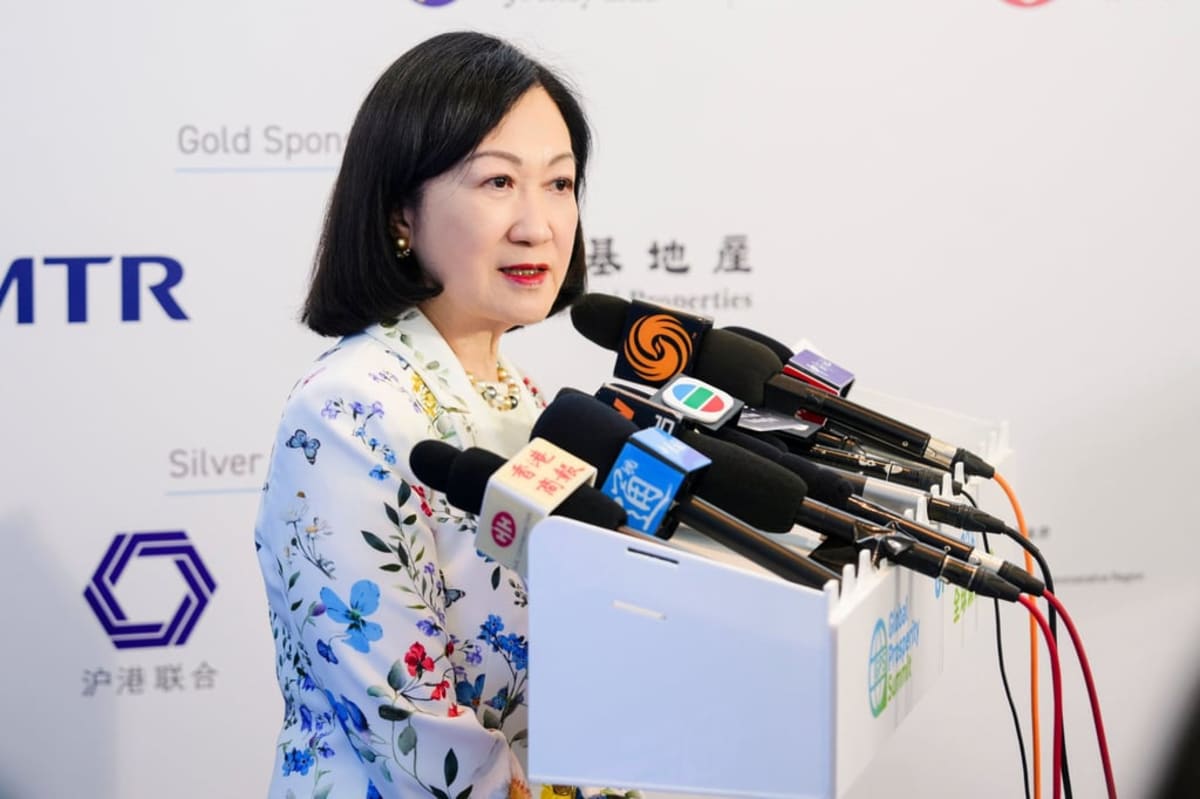
The potential impact extends far beyond satellites and space stations. Regina Ip, founder of the summit, envisions Hong Kong providing financial services, legal expertise, arbitration services, and satellite data analysis to emerging aerospace companies worldwide.
Attendees heard that the space economy could boost Hong Kong's GDP by 2 to 3 percent over the next two years if development continues. With the global space economy growing at 9 percent annually, Hong Kong's entry comes at an opportune moment.
The city's location in the Greater Bay Area offers strategic advantages for collaboration with mainland China, Asia-Pacific partners, and international players, particularly Europe. This positions Hong Kong as a potential hub where East meets West in humanity's next frontier.
As Lai Ka-ying orbits Earth aboard the space station, Hong Kong is already planning its next giant leap.
More Images
Based on reporting by South China Morning Post
This story was written by BrightWire based on verified news reports.
Spread the positivity!
Share this good news with someone who needs it