Hong Kong Team Makes Lithium Batteries Safer, Longer-Lasting
Scientists at Hong Kong University have created a breakthrough battery material that could make electric vehicles and devices far safer while lasting longer. Their innovation uses special interlocking molecules to prevent dangerous fires and extend battery life by years.
The batteries powering our phones, laptops, and electric cars just got a major upgrade that could save lives and make clean energy more reliable.
Researchers at The Hong Kong University of Science and Technology have developed a new type of battery material that solves one of the biggest problems with lithium batteries: they can catch fire. Traditional liquid electrolytes inside these batteries are highly flammable and can cause dangerous fires when batteries fail or get damaged.
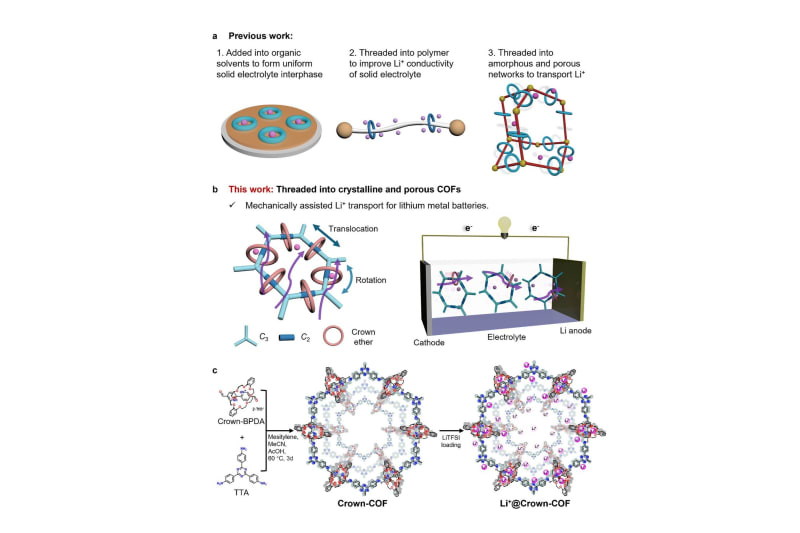
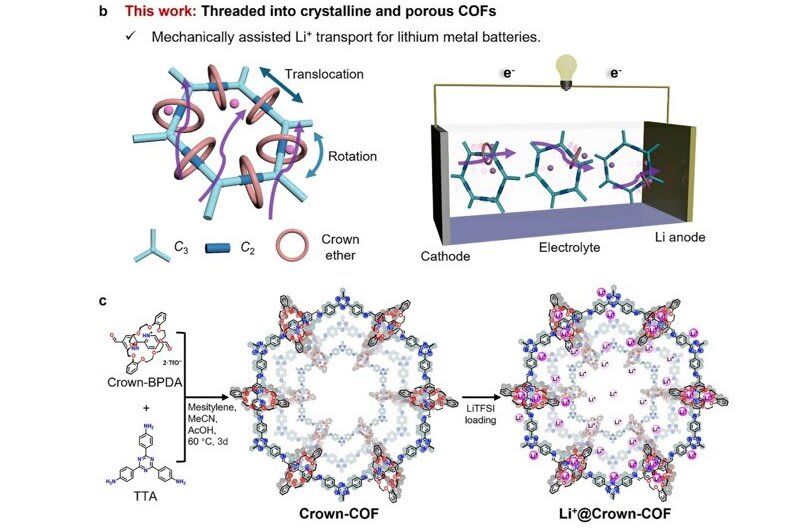
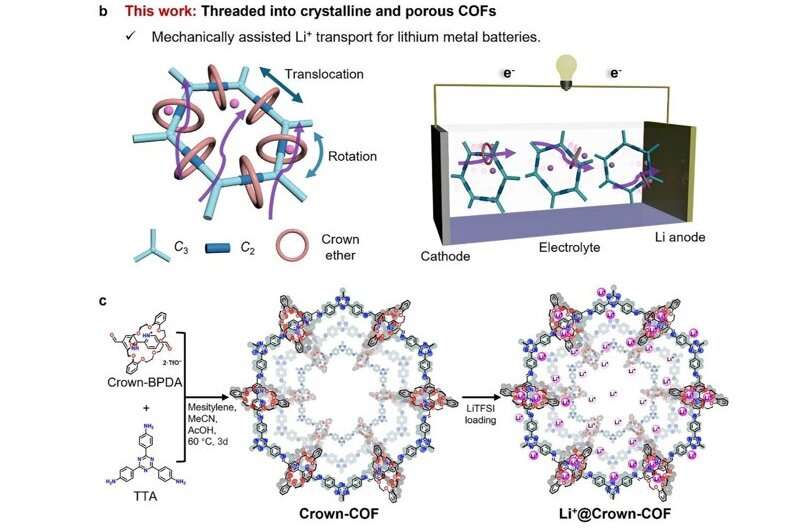
Professor Kim Yoonseob and his team created what they call a quasi-solid-state electrolyte using mechanically interlocked molecules. Think of it like molecular Lego pieces that lock together in a specific pattern, creating safe pathways for electricity to flow while keeping the dangerous flammable liquids under control.
The new material incorporates crown ether molecules into highly organized frameworks that guide lithium ions where they need to go. This design prevents the spiky dendrite growths that normally form inside batteries and cause them to short circuit or catch fire.
The results are impressive. In testing, batteries made with this new material retained 95% of their charging capacity after 600 charge cycles at room temperature. That's like charging your phone every day for nearly two years with almost no degradation.
At higher temperatures, the batteries performed even better. At 60°C, they maintained 85% capacity after 300 cycles with a nearly perfect 99.99% efficiency rating. Most current batteries degrade much faster under heat stress.
The Ripple Effect
This breakthrough could accelerate the transition to clean energy in multiple ways. Electric vehicles need batteries that last longer and charge safely to convince more drivers to switch from gas-powered cars. Grid-scale energy storage systems require safe, reliable batteries to store solar and wind power effectively.
The technology could also make consumer electronics safer. Phone and laptop battery fires, while rare, have caused injuries and property damage. A non-flammable alternative would eliminate these risks entirely.
Professor Kim sees this as just the beginning. His team plans to enhance these interlocking molecules even further to create the next generation of advanced battery materials. The approach could inspire other researchers to explore mechanical bonding strategies for energy storage.
The study appeared in the journal Advanced Materials, marking the first time mechanically interlocked molecules have been successfully used in battery frameworks for high-performance operation. What started as chemistry research into molecular machines has evolved into a practical solution for one of clean energy's biggest challenges.
Safe, long-lasting batteries are moving from the lab to reality, bringing us closer to a future powered by reliable clean energy.
More Images
Based on reporting by Phys.org - Technology
This story was written by BrightWire based on verified news reports.
Spread the positivity!
Share this good news with someone who needs it