%2Ffile%2Fattachments%2Forphans%2FBookReviewcopy_916973.jpg)
How One Activist Changed Minds From Communist to Freedom Fighter
Leon Louw founded South Africa's Free Market Foundation after witnessing police kill a street vendor in the 1960s. His five-decade journey from communist to constitutional architect proves fighting poverty transcends political labels.
A police officer's bullet changed everything for Leon Louw when he watched authorities gun down a Johannesburg street trader in the 1960s.
The young communist had believed in state control until that moment. Watching someone die for trying to earn a living shattered his faith in government power over individual freedom.
Louw founded the Free Market Foundation in 1973 and spent five decades championing overlooked causes. He fought for street vendors' rights to sell where they chose. He battled apartheid alongside better-known activists. He helped craft South Africa's progressive Constitution.
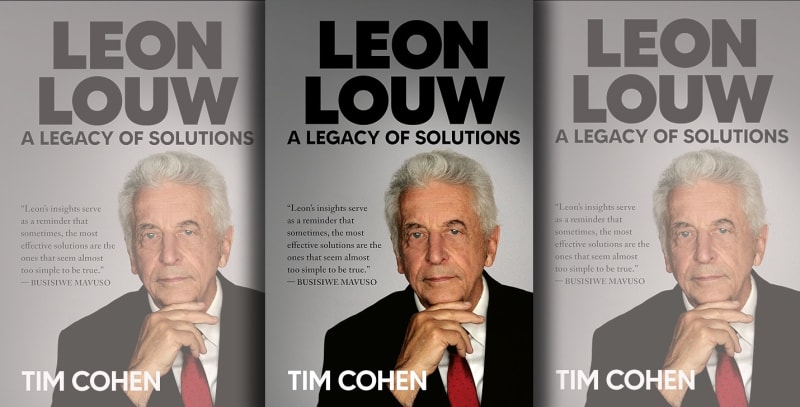
Tim Cohen's new book reveals how little credit Louw receives for his anti-apartheid work. Most South Africans know nothing about his influence spanning from Malta to Siberia after communism fell.
The activist's practical solutions still resonate today. He wants police roadblocks abolished because they waste time, invite bribes, and create hazards when delayed drivers speed to make up lost minutes. In Canada and the United States, traffic officers catch dangerous drivers in real time instead of stopping everyone.
Louw practices what he preaches with fierce commitment. Police have arrested him at roadblocks because he refuses to show his license without seeing a warrant first.
His Freedom Foundation now conducts South Africa's first comprehensive wealth survey. Early findings show land ownership isn't nearly as racially skewed as some political parties claim. Black South Africans own between two and 27 times more property than in 1994.
Journalist Martin Creamer remembers Louw touring Soweto in the 1980s saying "they need to build factories and industry here." The former communist had become capitalism's champion for the poor.
The Bright Side
Louw's story offers hope during South Africa's polarized political climate. His journey proves supporting free markets doesn't mean abandoning poor communities. His decades fighting for street vendors' dignity and property rights for the disadvantaged show economic freedom and human empathy can walk hand in hand.
Cohen writes that Louw possesses "a deep well of empathy and commitment to human dignity" that flows through every policy proposal. Some people reject Marxism and slide toward fascism like American David Horowitz did. Louw chose a nobler path.
His transformation reminds us that fighting poverty takes many forms and the best solutions often come from unexpected places.
More Images

Based on reporting by Daily Maverick
This story was written by BrightWire based on verified news reports.
Spread the positivity!
Share this good news with someone who needs it