How Penalty Shootouts Replaced Coin Flips in 1970
On August 5, 1970, football history changed forever when Hull City and Manchester United settled a tied match with the world's first official penalty shootout. The new system replaced the "cruel" practice of deciding winners by coin toss or drawing lots from a sombrero.
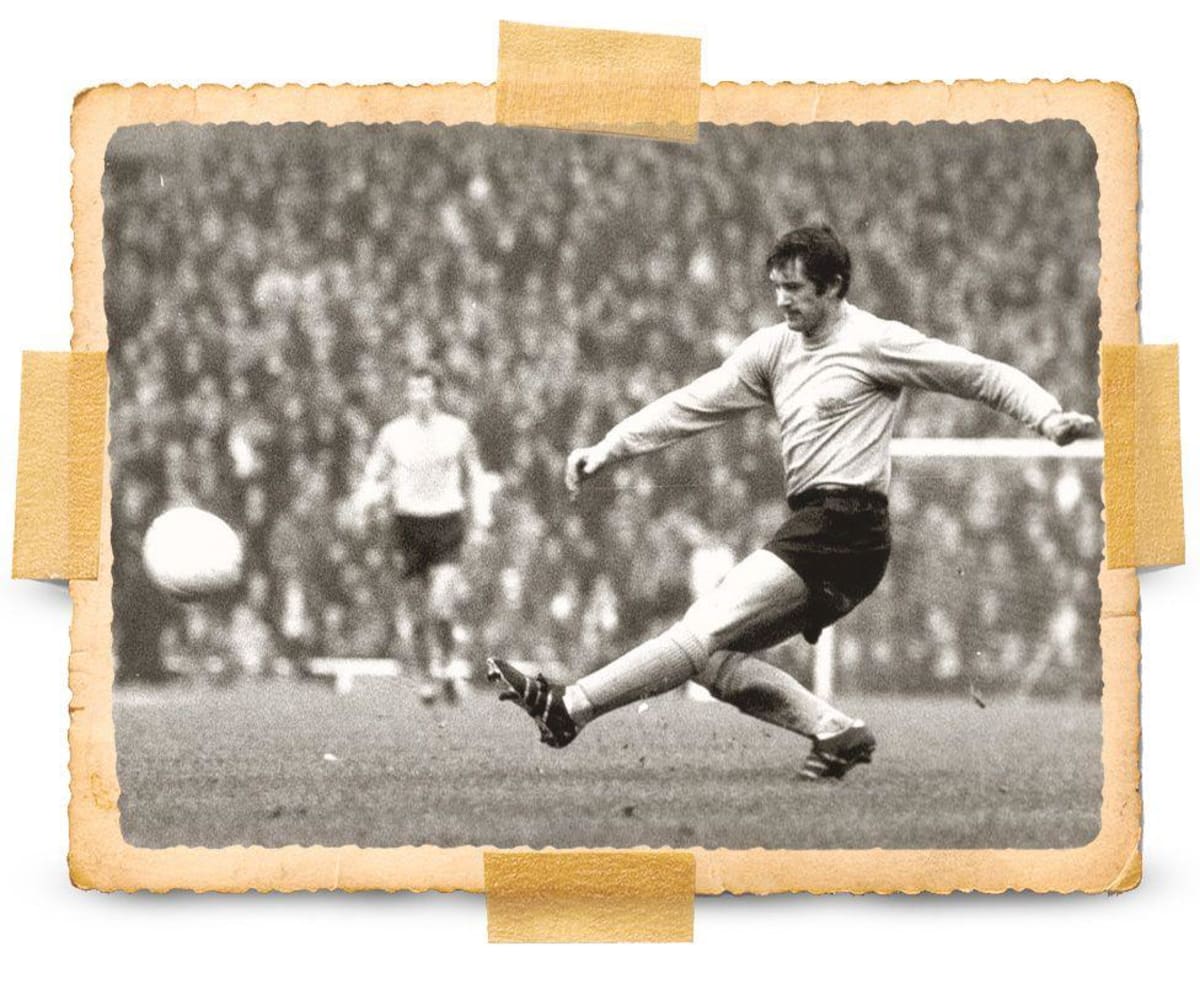
Eleven-year-old Martyn Kelly could barely see over the heads in front of him, but nothing was going to block his view of George Best taking football's first-ever penalty in a shootout.
It was a warm evening in Hull, England, and a new way to decide tied matches was about to debut. Just six weeks earlier, football's rule makers had voted to end the coin toss era and let skill determine winners instead of luck.
The catalyst came from an Olympic match two years earlier. Israel's captain pulled a piece of paper reading "no" from a giant sombrero hat, eliminating his team from the 1968 Olympics after a 1-1 draw with Bulgaria.
Israeli Football Association officials Yosef Dagan and Michael Almog were furious. They wrote to FIFA calling the existing system "immoral and even cruel for the losing team and not honorable for the winner."
Their proposal was simple: five penalty kicks per team, continuing until someone missed. Football's lawmakers adopted it in June 1970, and the Watney Cup pre-season competition provided the first chance to try it.
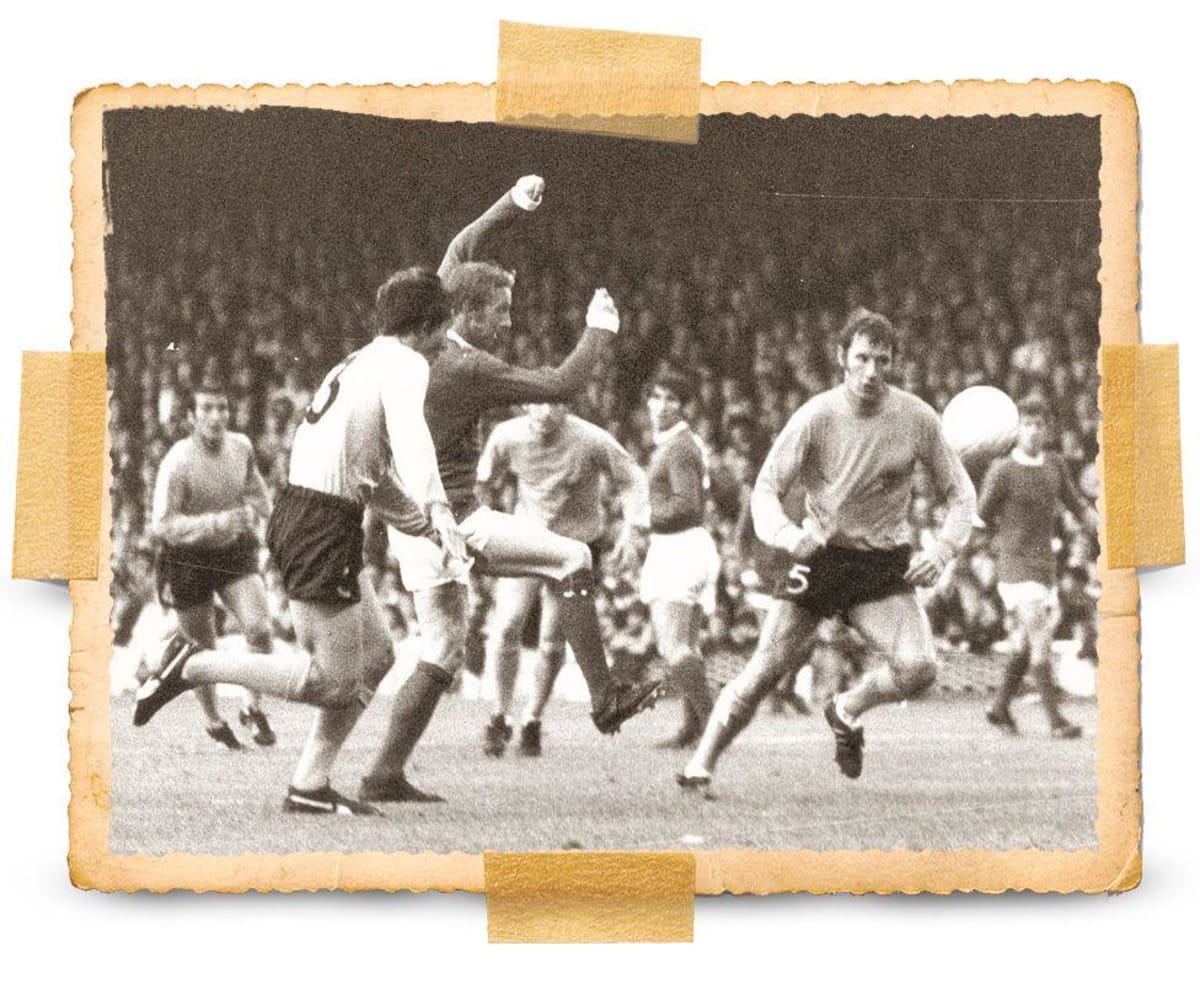
Hull City, a second-tier club, had just battled Manchester United to a 1-1 draw after extra time. United's squad read like a fantasy team with Best, Bobby Charlton, and Denis Law.
"That's like having Messi, Ronaldo, and Mbappe in the same team," Kelly recalled years later. Former Hull player Frankie Banks remembered the electric atmosphere and how some players were "reluctant to step up" for this historic moment.
Best went first, coolly slotting his shot into the left corner. Hull player-manager Terry Neill matched him. The tension built as both teams scored, bringing the shootout to 3-3.
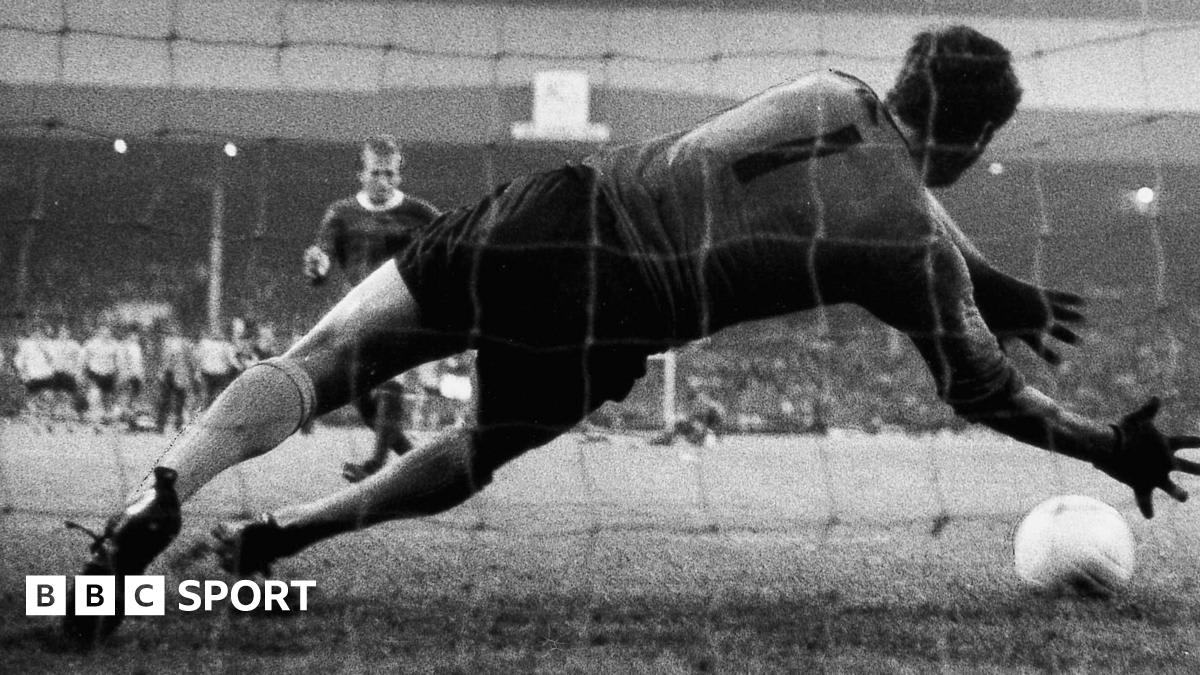
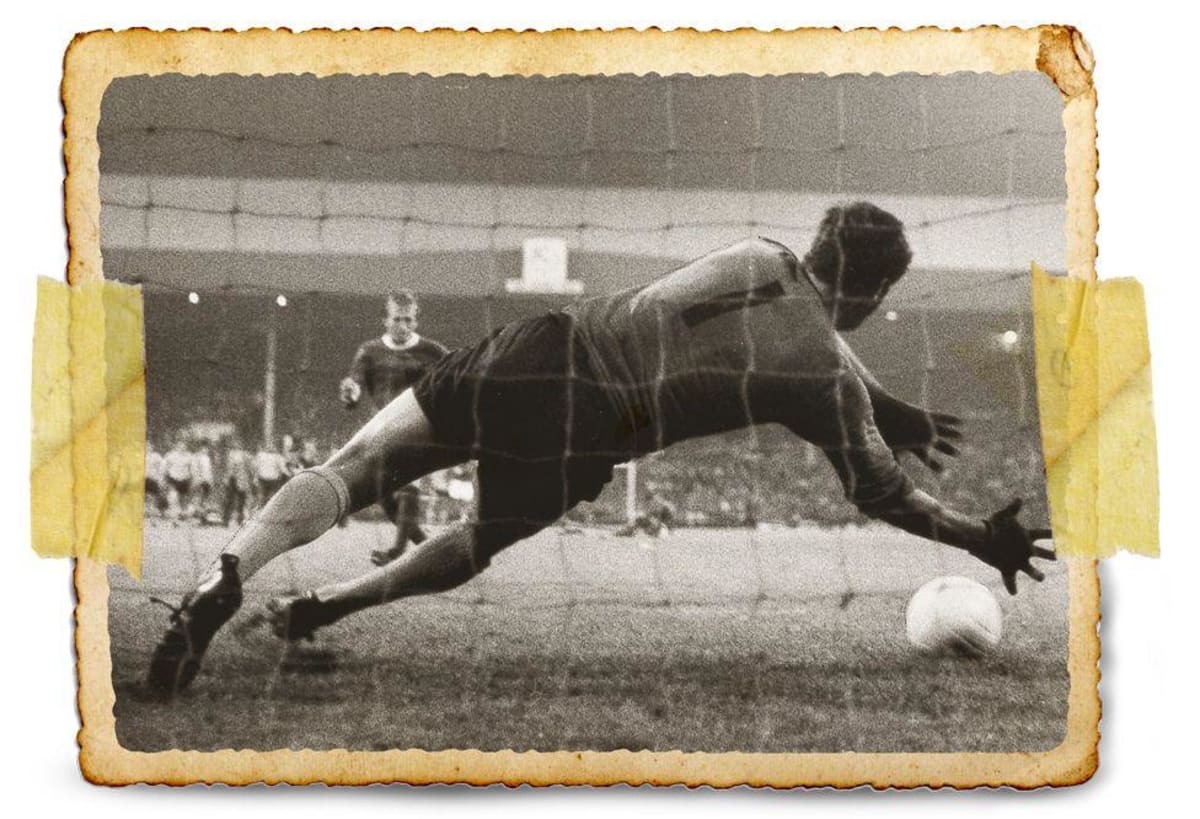
Then came football's first missed penalty in a shootout. Denis Law's low shot was saved by diving goalkeeper Ian McKechnie, and Hull City won the match.
Why This Inspires
What started as one frustrated official's letter transformed how the world's most popular sport handles its biggest moments. The penalty shootout put control back in the players' hands, replacing randomness with pressure-filled skill.
Today, penalty shootouts decide World Cup finals and create unforgettable drama watched by billions. Every goalkeeper diving to make a save and every player stepping up to take a kick carries forward the legacy of that August evening in Hull.
Sometimes the best solutions come from refusing to accept that luck should decide who wins.
More Images
Based on reporting by BBC Sport
This story was written by BrightWire based on verified news reports.
Spread the positivity!
Share this good news with someone who needs it