How Rachel Carson's 1962 Book Launched Environmentalism
A marine biologist's investigation into pesticides sparked a movement that changed how humanity protects the planet. One book inspired a president, created the EPA, and proved that words can reshape the world.
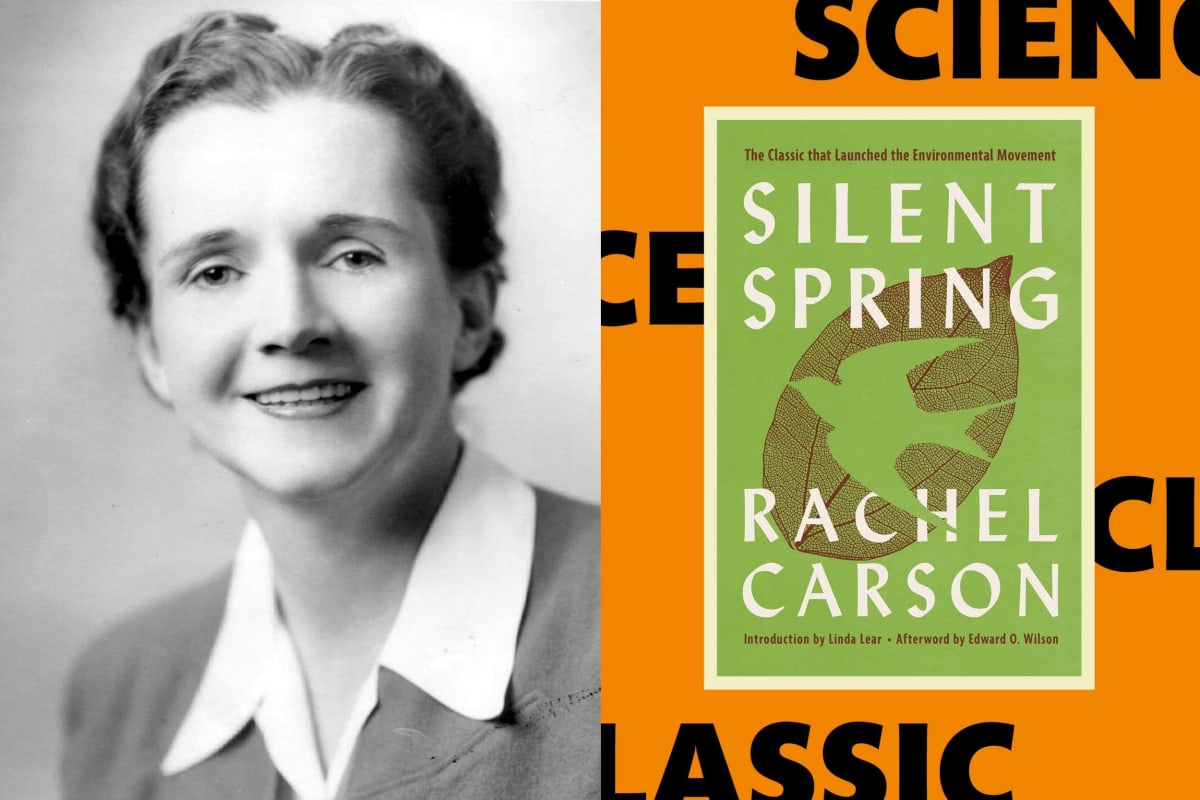
When Rachel Carson published Silent Spring in 1962, people thought one way about pesticides. After reading it, they thought another way entirely.
Carson was a marine biologist who had written three books about ocean life. Then a letter in The Boston Herald changed everything. It described how the pesticide DDT was killing birds in Massachusetts, and Carson knew she had to investigate.
She dove deep into researching pesticides and their environmental effects. The title "Silent Spring" started as a single chapter about birds, but her agent saw something bigger. That instinct was spot on.
The book landed like thunder. President John F. Kennedy read it and immediately ordered an investigation into DDT and other pesticides, citing Carson's work as the reason. Her carefully researched words moved the leader of the free world to action.
But Kennedy's response was just the beginning. Silent Spring didn't just inspire one policy change. It birthed an entire movement.
The Ripple Effect
The book's impact spread across a decade of environmental protection. In 1963, Congress passed the Clean Air Act. The following year brought the Wilderness Act, protecting wild lands for future generations.
By 1969, the National Environmental Policy Act became law. Then in 1970, something remarkable happened: the Environmental Protection Agency was created, giving teeth to America's environmental protection efforts.
The wave continued. The Clean Water Act passed in 1972, safeguarding rivers, lakes, and streams. In 1973, the Endangered Species Act became law, protecting animals on the brink of extinction.
As writer Margaret Atwood observed, Carson's book marked a turning point in human consciousness. It awakened millions to the reality that our actions have consequences for the natural world. That awareness sparked the modern environmental movement.
Carson took complex science about pesticides and made it accessible to everyday readers. She showed ordinary people how chemical companies were poisoning the environment without oversight or accountability.
Her courage came at a cost. Chemical companies attacked her credibility and her science. They tried to silence her message. But the truth in her research was undeniable, and the public listened.
One letter about dying birds led to one book that changed how an entire nation protects its air, water, wildlife, and wild places.
More Images

Based on reporting by New Scientist
This story was written by BrightWire based on verified news reports.
Spread the positivity!
Share this good news with someone who needs it