How to Catch Meteors from Your Own Backyard This Week
The Lyrid meteor shower peaks April 21-22, and you don't need fancy equipment or dark skies to see shooting stars. A stargazer shares his simple camera trick that captures fireballs while he sleeps.
Sometimes the best moments in the night sky happen when you're not even trying that hard.
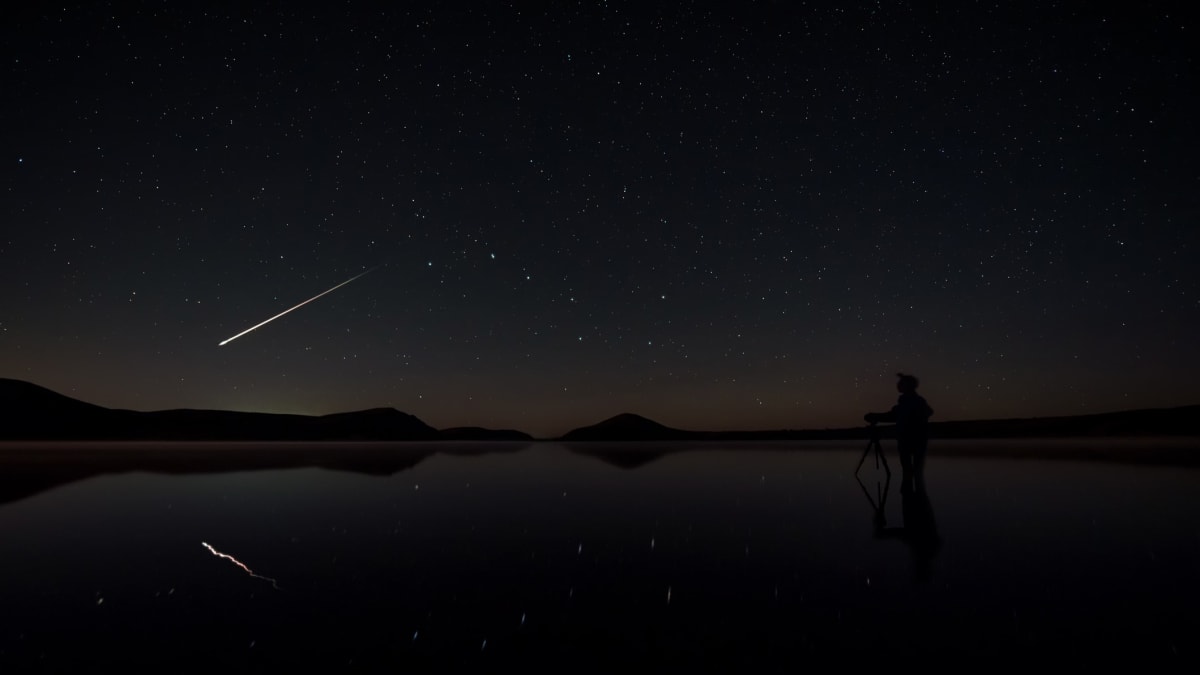
Jamie Carter, a dedicated stargazer, has cracked the code for watching meteor showers from light-polluted cities. His secret? Let a camera do the work while he sleeps. He sets up a wide-angle lens on a tripod, programs it to snap photos every 30 seconds, and heads to bed.
The Lyrid meteor shower arrives this week, peaking overnight Tuesday, April 21 through Wednesday, April 22. North American viewers should look before dawn on Wednesday, while Europeans get the best show Wednesday evening.
The timing is perfect this year. A new moon means dark skies with no lunar glare washing out the faint streaks of light. Even city dwellers have a shot at seeing something spectacular.
The Lyrids have been dazzling humans for centuries. These shooting stars come from debris left by Comet Thatcher, which last visited our neighborhood in 1861 and won't return until 2283. Every April, Earth plows through the comet's dusty trail, and those tiny grains burn up in our atmosphere at 30 miles per second.
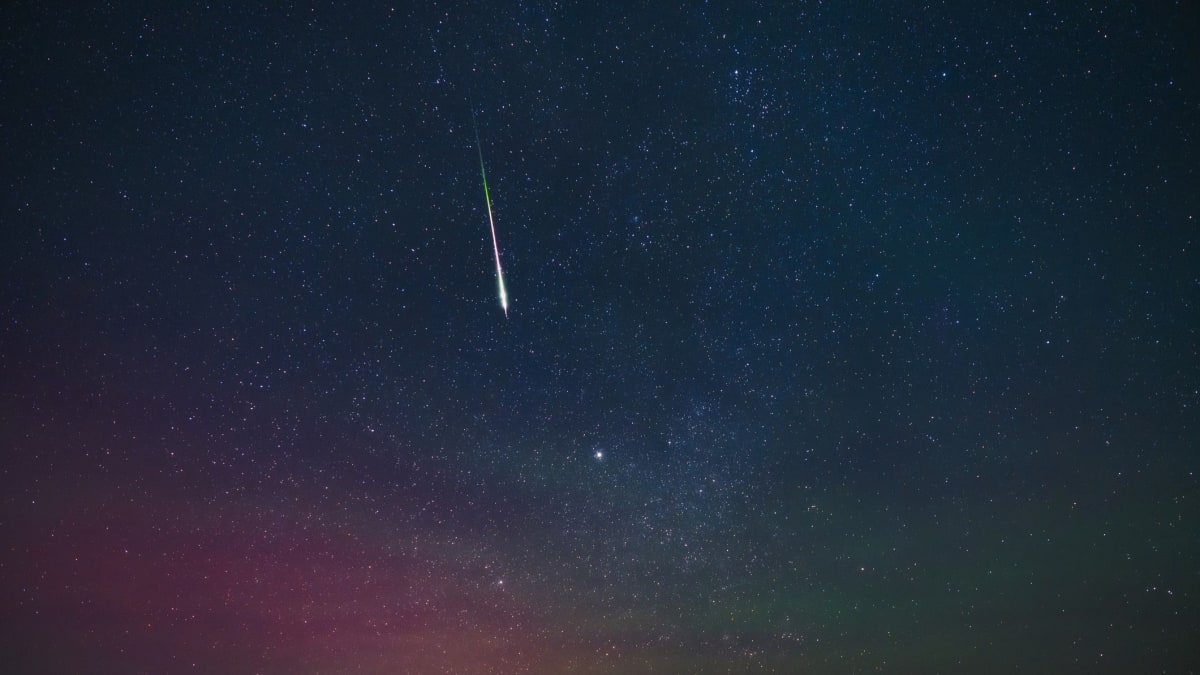
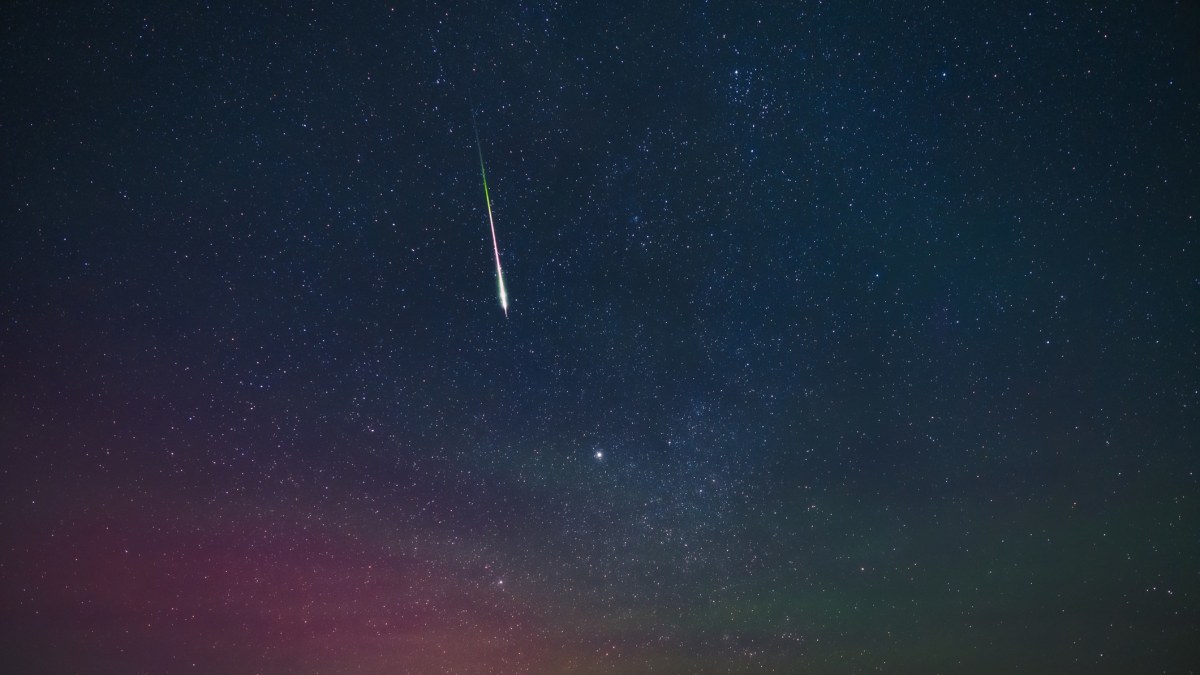
What makes the Lyrids special are the fireballs. These brilliant meteors can suddenly tear across the sky, much brighter than the typical shooting star. Expect about 18 meteors per hour under perfect conditions, but those rates hold steady for a night or two on either side of the peak.
Carter learned his lazy photography method pays off, though not always as planned. Last year, his camera captured nothing during an all-night session. Then, just as he stepped outside at dawn to retrieve his equipment, a brilliant fireball streaked overhead.
Why This Inspires
You don't need a telescope or even perfect darkness to connect with the cosmos. Carter's approach shows how a simple camera setup turns anyone into a meteor hunter. The method works because meteor showers reward persistence more than perfection. Set up a camera with a wide-angle lens pointed northeast toward the constellation Lyra, use 30-second exposures, and let it run for three hours or more.
The real beauty is that this works from cities, backyards, even suburban driveways. No road trip to remote desert locations required.
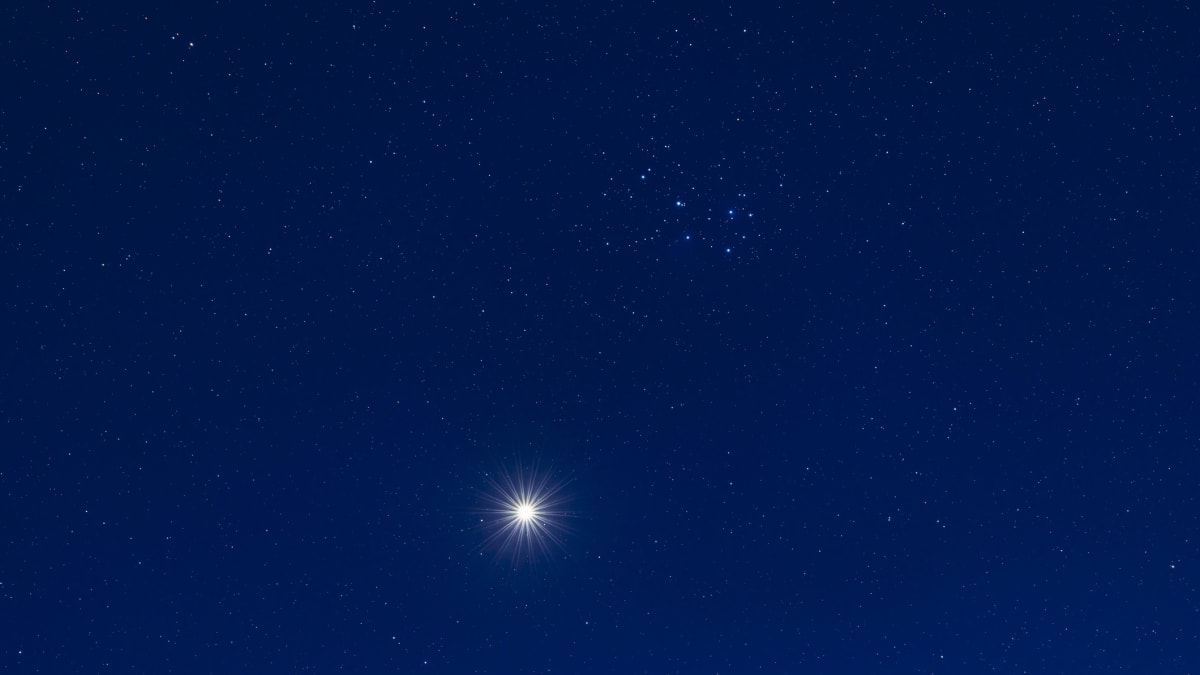
The sweet spot for viewing comes around 4 to 5 a.m., when Lyra climbs high in the northeast sky near the brilliant star Vega. But Carter's camera trick means you can catch meteors without losing sleep. Just check your images in the morning over coffee.
Early Thursday morning, April 23, offers another solid viewing window for committed meteor hunters willing to give it one more shot.
The night sky keeps its best moments for those patient enough to look up at exactly the right time, whether that's you or your camera.
More Images
Based on reporting by Space.com
This story was written by BrightWire based on verified news reports.
Spread the positivity!
Share this good news with someone who needs it