How Waste Became a Powerful Climate Solution
The trash we throw away every day is a major climate polluter most people never think about. Communities worldwide are now turning waste into a climate solution through simple actions that anyone can start today.
That banana peel you tossed in the trash this morning just became a climate problem. When food scraps and organic waste break down in landfills without oxygen, they release methane, a greenhouse gas 25 times more powerful than carbon dioxide.
Waste contributes to global warming in ways most people never consider. Open burning releases toxic pollutants into the air. Plastic waste generates emissions throughout its entire life, from production to disposal, while choking rivers and oceans.
But here's the good news: waste is becoming one of the most accessible ways ordinary people can fight climate change right from home.
The solution starts with making less trash. Choosing reusable bags over plastic, buying only what you need, and selecting products with less packaging all dramatically reduce waste before it begins. When millions adopt these small habits, the environmental impact multiplies.
Separating waste at home creates another powerful opportunity. Organic materials, recyclables, hazardous items, and regular trash each need different handling. Proper sorting allows valuable materials to return to production while keeping harmful substances out of landfills.
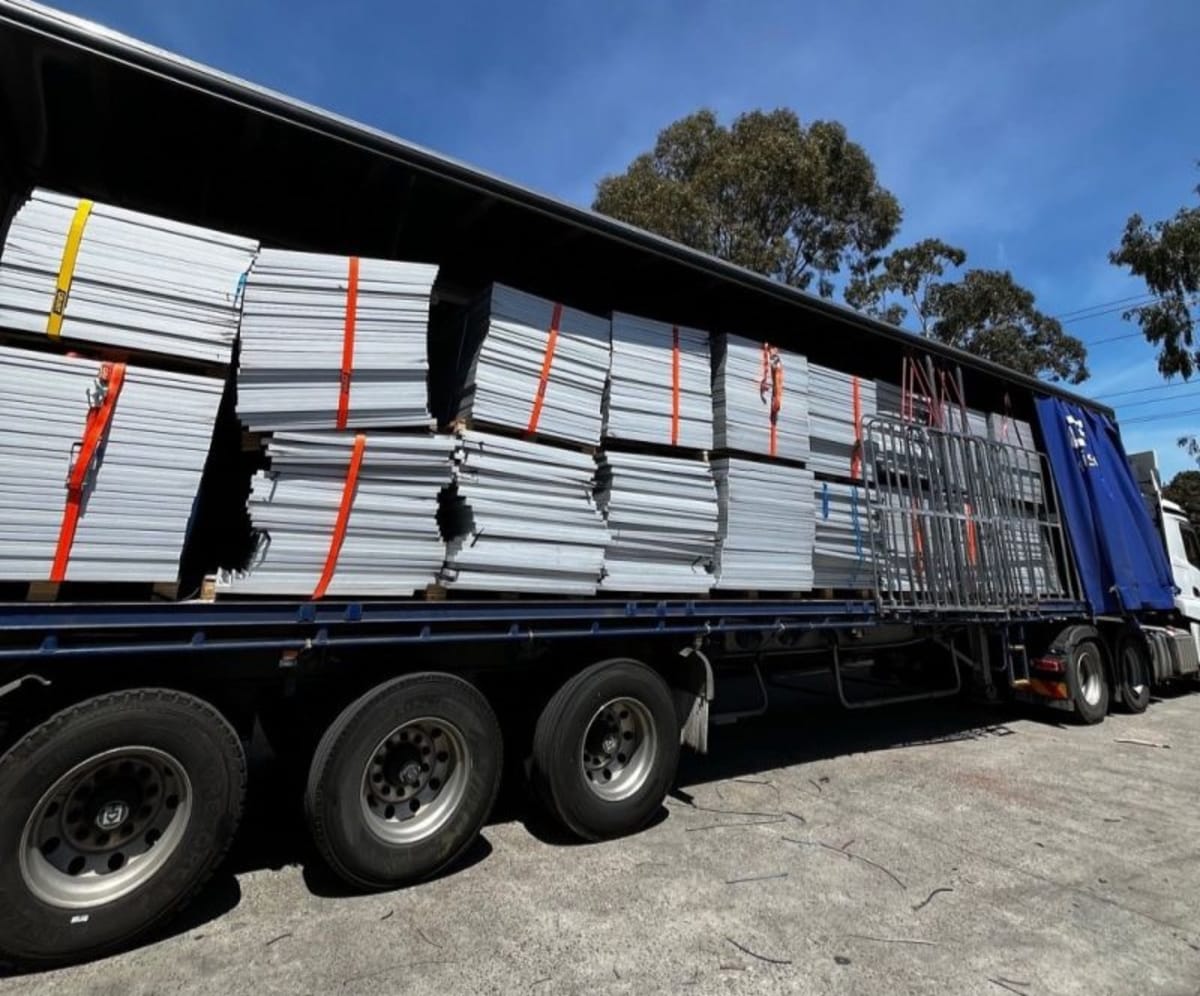
Recycling saves massive amounts of energy compared to making products from scratch. Manufacturing with recycled paper protects forests. Recycled metals require far less energy to process. Recovered plastics reduce demand for new plastic production.
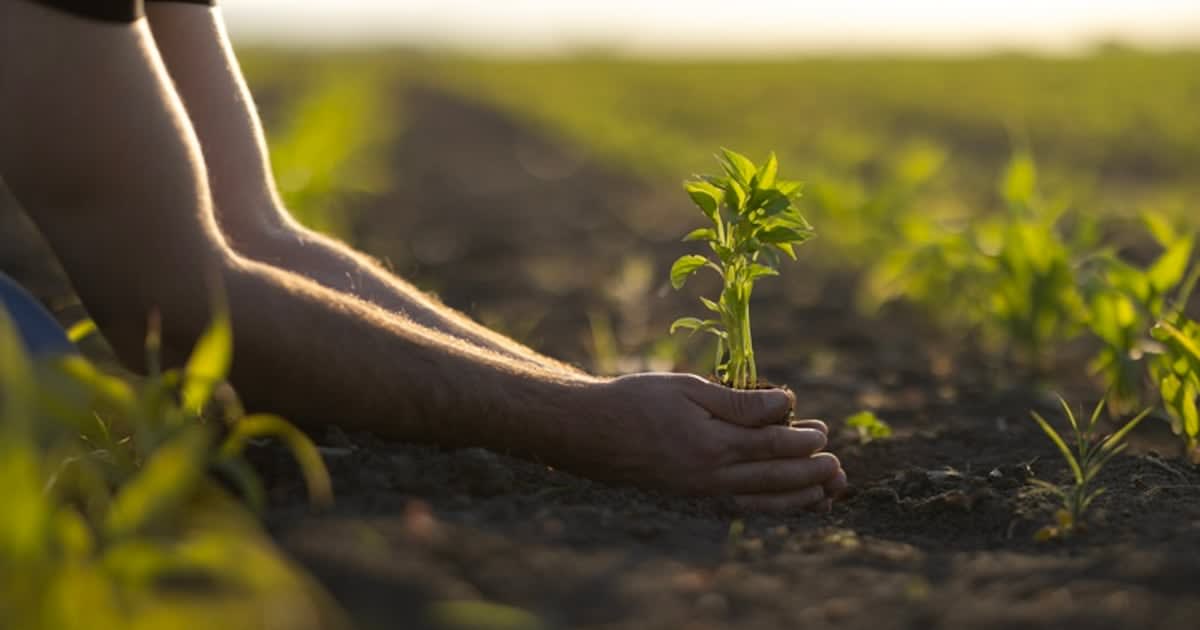
Composting transforms yesterday's problem into tomorrow's solution. Food scraps and yard waste that once produced methane in landfills now become nutrient-rich fertilizer. This simple practice cuts emissions while improving soil health and supporting sustainable farming.
Modern technology amplifies these efforts. Sanitary landfills with methane capture systems, waste-to-energy facilities, and advanced recycling plants turn garbage into resources while protecting public health.
The Ripple Effect
Communities that embrace waste solutions are discovering benefits far beyond climate action. Recycling industries create new jobs. Composting businesses generate income. Green entrepreneurs build circular economy companies that keep materials in use longer.
Cambodia's nationwide campaigns show how waste action sparks social movements. Programs like "Today, I Do Not Use Plastic Bag" and "Clean Cambodia, Khmer Can Do" encouraged millions to change daily habits while building environmental stewardship across generations.
The economic potential is enormous. What society once paid to bury or burn can now generate value through recovery, reuse, and transformation. Waste is no longer just a disposal problem but a resource waiting to be captured.
Cities investing in waste infrastructure are investing in climate resilience. Every ton of organic material composted instead of landfilled prevents methane release. Every plastic bottle recycled reduces oil demand. Every community that separates waste protects the atmosphere.
The shift requires moving from "take, use, throw away" thinking to circular systems where materials stay valuable. This mindset change is already happening in homes, schools, and businesses worldwide.
Climate solutions don't always require revolutionary technology or massive funding. Sometimes they start with the choice to compost your coffee grounds, carry a reusable water bottle, or separate your recycling, proving that everyday actions can heal our planet.
Based on reporting by Google News - Climate Solution
This story was written by BrightWire based on verified news reports.
Spread the positivity!
Share this good news with someone who needs it