Hubble Telescope Discovers 6,000 New Worlds Beyond Earth
NASA's Hubble Space Telescope has reached an incredible milestone, confirming the existence of more than 6,000 planets beyond our solar system. This astronomical achievement opens new possibilities in humanity's search for life beyond Earth.
The Hubble Space Telescope just hit a milestone that sounds like science fiction: discovering more than 6,000 new worlds orbiting distant stars.
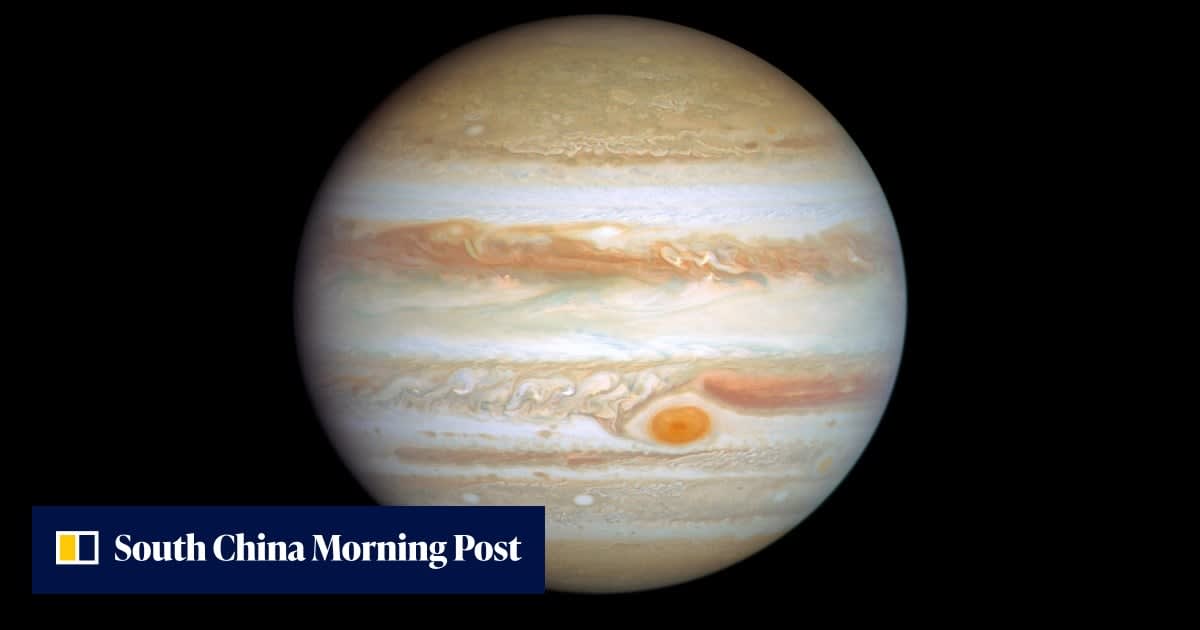
NASA announced the achievement this week, celebrating Hubble's contributions to finding planets outside our solar system. These distant worlds, called exoplanets, range from gas giants larger than Jupiter to rocky planets that might resemble Earth.
The journey to 6,000 discoveries started in 1990 when Hubble first launched into orbit. Back then, scientists hadn't confirmed a single planet beyond our solar system.
Hubble uses multiple techniques to spot these hidden worlds. It watches for tiny dips in starlight when planets pass in front of their host stars. The telescope also detects the subtle wobble stars make as planets orbit around them.
These discoveries have transformed our understanding of the universe. Scientists now know that planets are common throughout our galaxy, with billions potentially existing in the Milky Way alone.
Some of these newly catalogued worlds orbit within the "habitable zone" of their stars. That means they sit at just the right distance where liquid water could exist on their surfaces.
The Ripple Effect
This milestone represents more than just impressive numbers. Each discovery helps scientists understand how planetary systems form and evolve.
The data collected by Hubble has guided newer telescopes like James Webb to study the most promising candidates. Together, these observatories are analyzing the atmospheres of distant planets, searching for chemical signatures that might indicate life.
Young people today are growing up in a universe vastly different from what their grandparents knew. The question has shifted from "Are there other planets?" to "Which planets might harbor life?"
The achievement also showcases what sustained scientific investment can accomplish. Hubble has operated for over three decades, far exceeding its original 15-year mission.
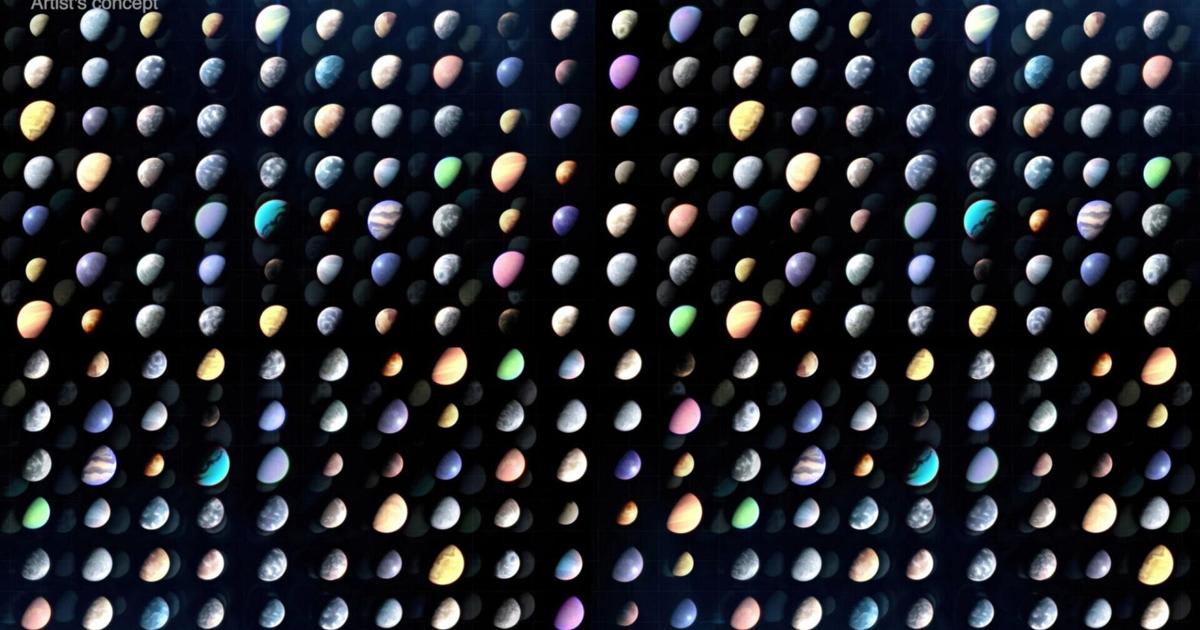
NASA released artist illustrations of some newly discovered planets to help the public visualize these distant worlds. These images bring abstract data to life, showing swirling gas giants, scorched rocky planets close to their stars, and ice worlds in the outer reaches of distant solar systems.
The telescope continues its mission, with more discoveries expected in the coming years.
In just one generation, humanity went from knowing of nine planets to over 6,000, proving that the universe holds far more wonders than we ever imagined.
More Images

Based on reporting by Google: NASA discovery
This story was written by BrightWire based on verified news reports.
Spread the positivity!
Share this good news with someone who needs it