Human Evolution Sped Up Over Past 10,000 Years
The largest study of ancient human DNA reveals that human evolution has dramatically accelerated since farming began, reshaping everything from disease resistance to physical appearance. Scientists found nearly 500 gene variants that changed through natural selection as our ancestors adapted to revolutionary lifestyle changes.
We're evolving faster than anyone realized, and the proof is written in the DNA of our ancestors.
A groundbreaking study of 15,836 ancient human genomes from across Europe and the Middle East reveals that human evolution kicked into high gear over the past 10,000 years. That's exactly when agriculture transformed how we lived, ate, and interacted with the world around us.
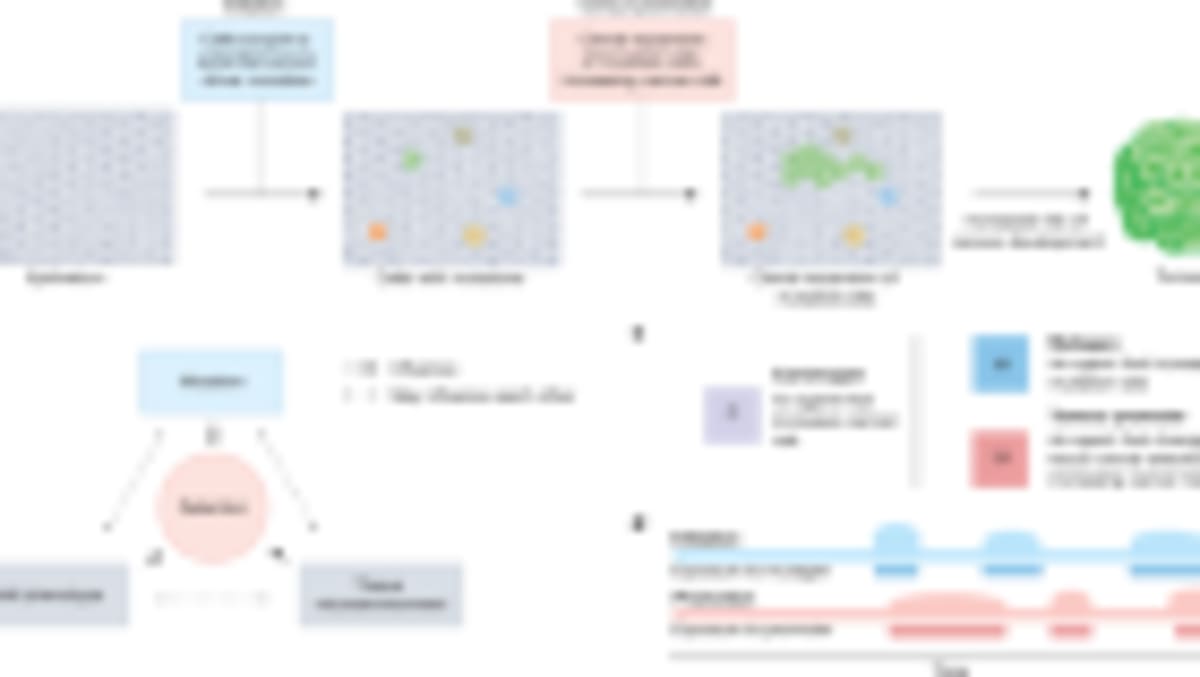
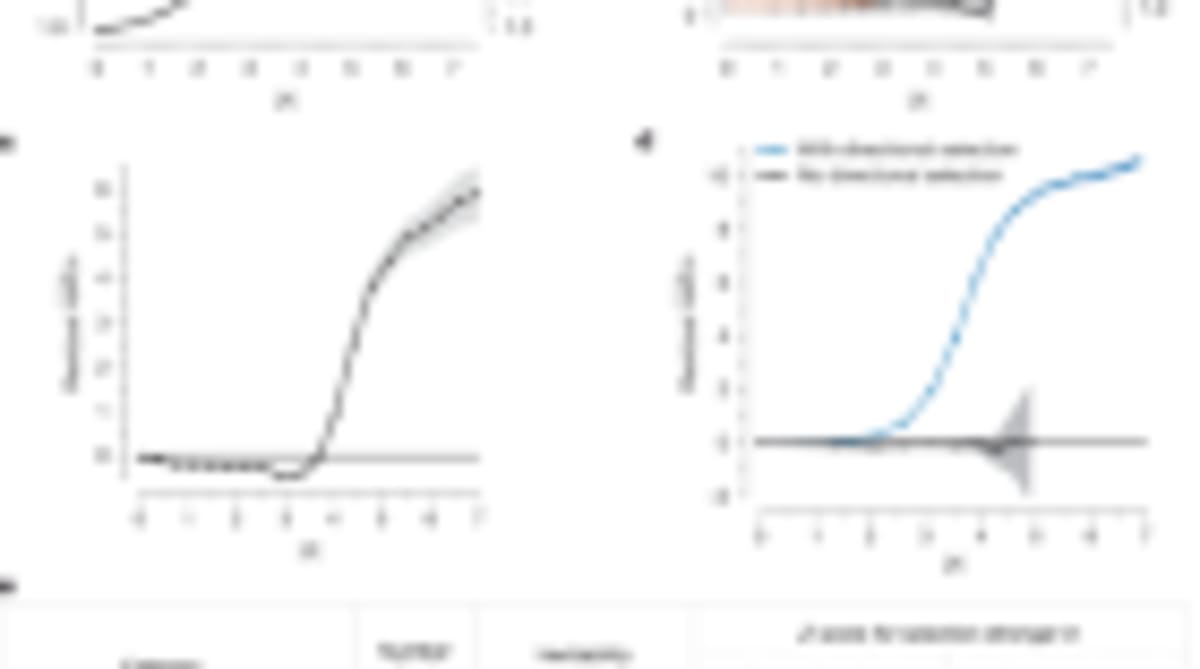
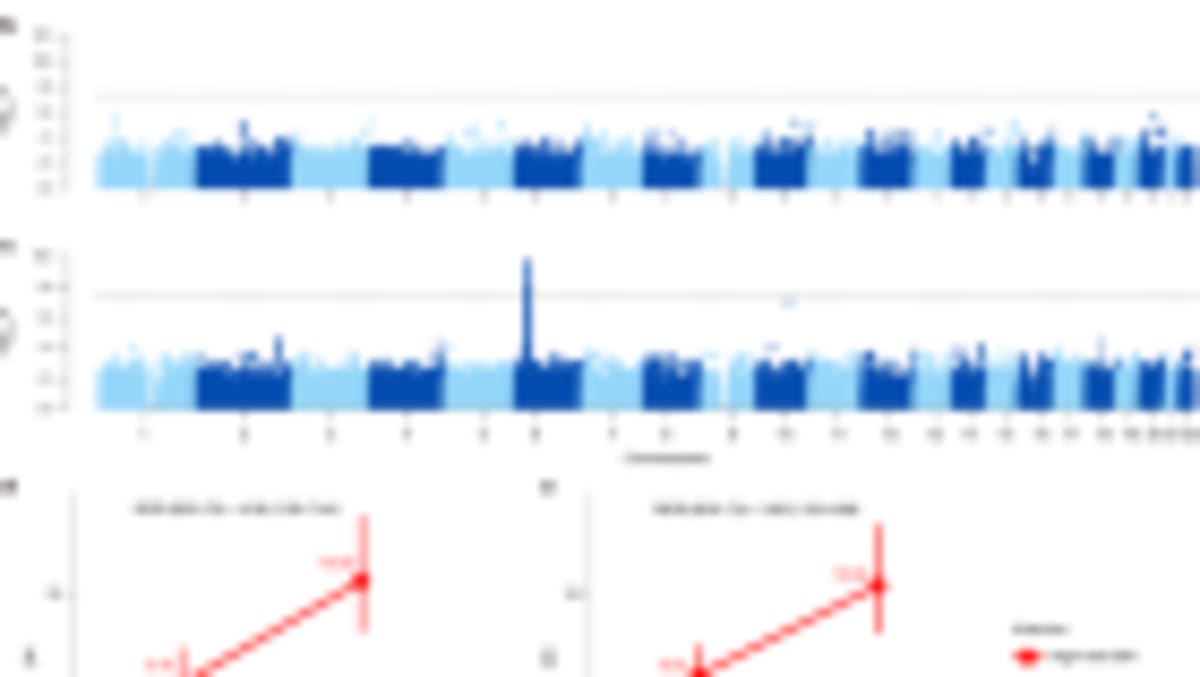
Harvard Medical School researchers discovered 479 gene variants that showed clear signs of natural selection working in real time. These weren't minor tweaks. They represent dramatic biological changes as hunter-gatherer societies transitioned to farming communities and eventually entered the Bronze Age around 5,000 years ago.
The shift to agriculture brought new foods, closer contact with animals, and denser populations. Our genes had to keep pace. Many of the changes centered on immunity, helping our ancestors fight off diseases that emerged from these new lifestyles.
One variant linked to tuberculosis resistance became less common in the past 3,000 years, but not before surging in frequency when other pathogens appeared. Another variant that protects modern humans against HIV became more common between 6,000 and 2,000 years ago, possibly because it also defended against plague bacteria.
Evolution even changed how Europeans look. The study identified ten variants linked to lighter skin tone that evolved through natural selection. Interestingly, a gene causing male pattern baldness became much less common over the past 7,000 years, decreasing baldness prevalence by an estimated 1 to 2 percent.
The most famous example remains lactose tolerance. A genetic variant allowing European adults to digest milk throughout their lives swept through populations as dairy farming spread across the continent.
Why This Inspires
This research proves that humans aren't passive passengers in evolution's journey. We've actively adapted to challenges, transforming our biology in response to the revolutionary choices our ancestors made.
The study also reveals that evolution doesn't move in straight lines. Two-thirds of the identified variants fluctuated like rollercoasters over time. A gene variant linked to multiple sclerosis risk jumped in frequency 6,000 years ago, then declined again in some European groups over the past 2,000 years.
Lead researcher David Reich calls the changes "dramatic," reflecting populations whose biology was genuinely in flux during economically and culturally transformative periods. The Bronze Age showed particularly intense evolutionary acceleration, building on lifestyle changes that started in the Neolithic period.
By analyzing more than 10,000 newly sequenced ancient genomes, the team overcame previous obstacles like genetic drift and population migrations that masked signs of natural selection. Their method identified consistent patterns across different groups living at different times, painting the clearest picture yet of human adaptation.
This window into our evolutionary past reminds us that change, challenge, and adaptation have always been part of the human story.
More Images

Based on reporting by Google News - Science
This story was written by BrightWire based on verified news reports.
Spread the positivity!
Share this good news with someone who needs it