Humans Turn Left More Often, Scientists Discover
Scientists have discovered something surprising about how we move: when walking freely without a destination, people consistently turn left more than right. This unexpected pattern appeared across different countries, age groups, and settings, and could change how we design everything from airports to emergency exits.
The next time you're wandering through a park or exploring a festival, pay attention to which way you turn. Science says you're probably going left.
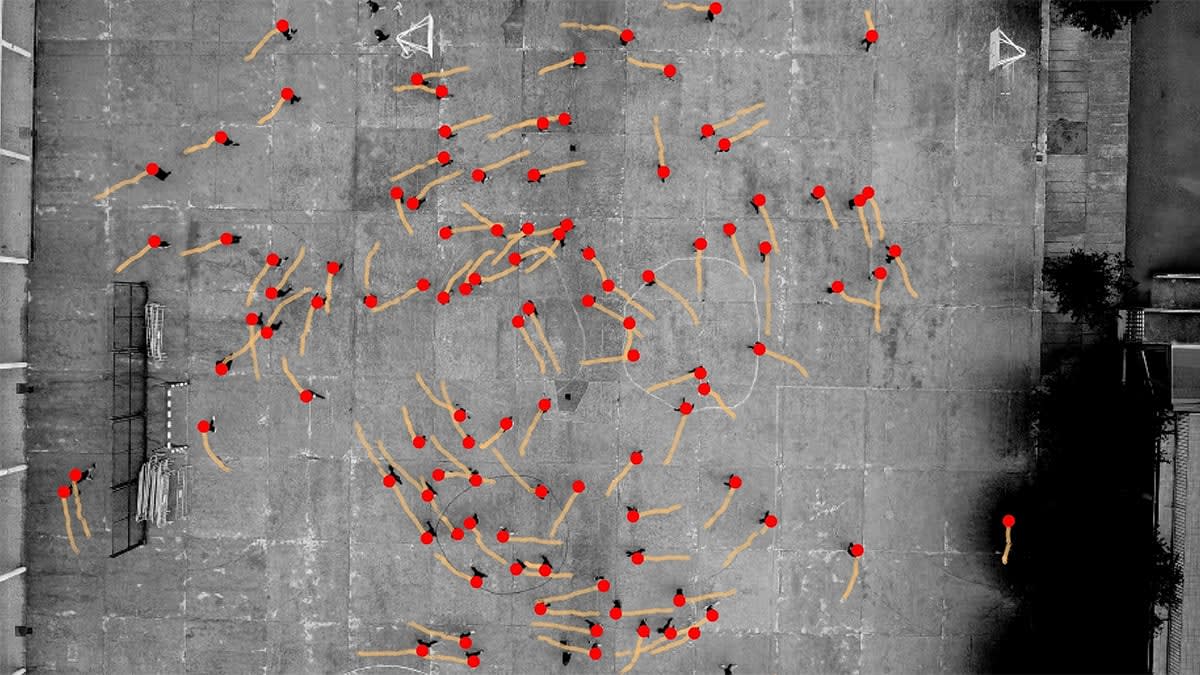
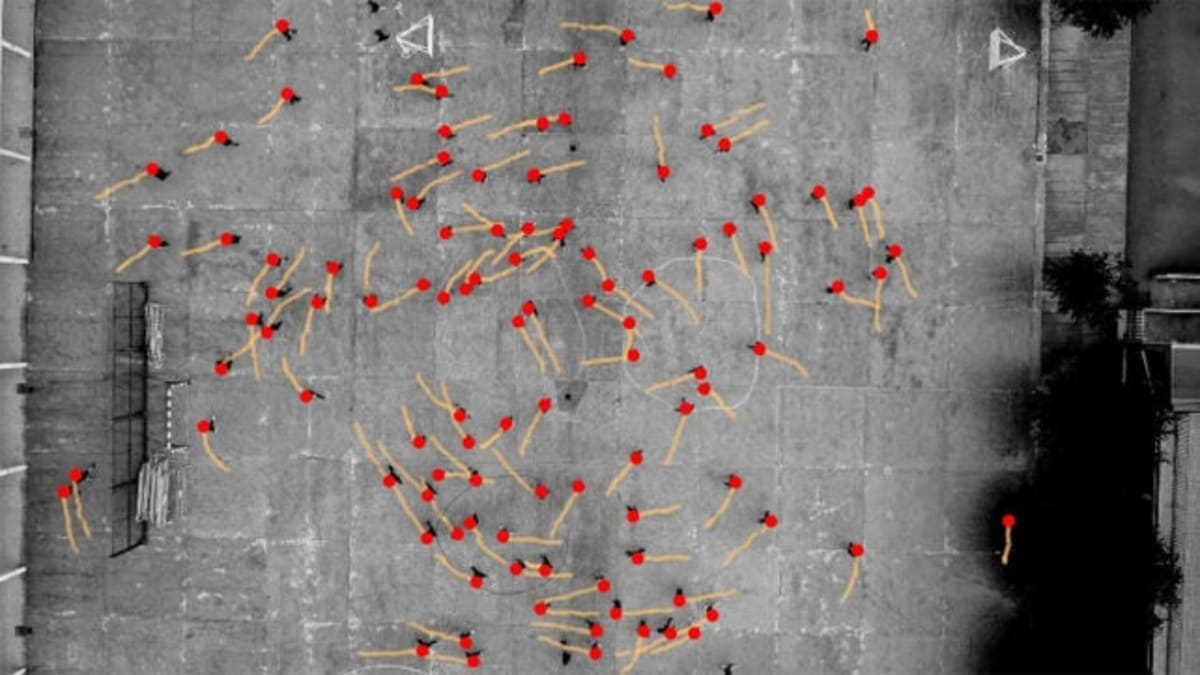
Researchers from Spain and Japan discovered that humans have a measurable preference for turning counterclockwise when moving without a specific destination. The finding came after a previous study on social distancing hinted that our movement patterns might not be as random as we think.
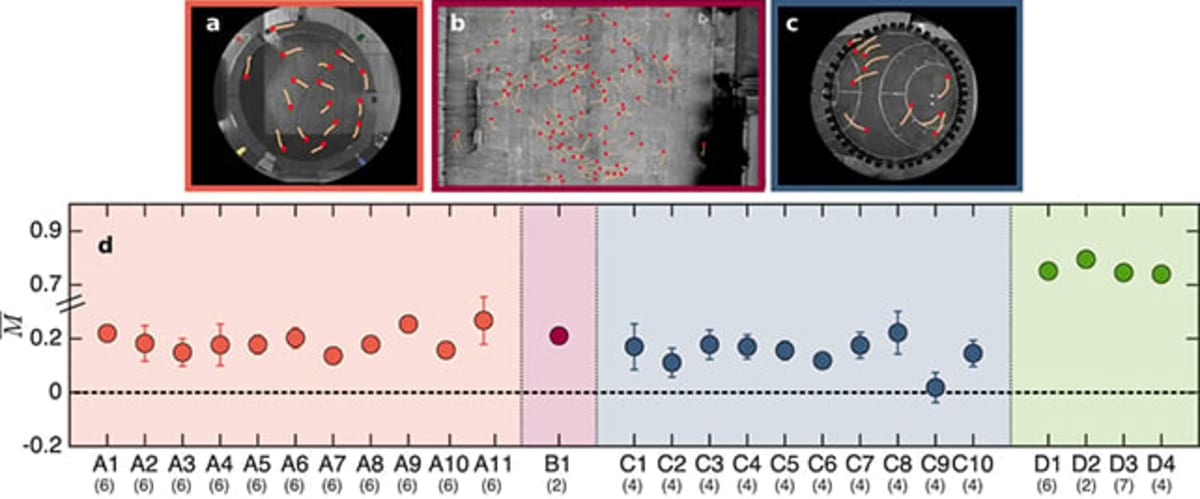
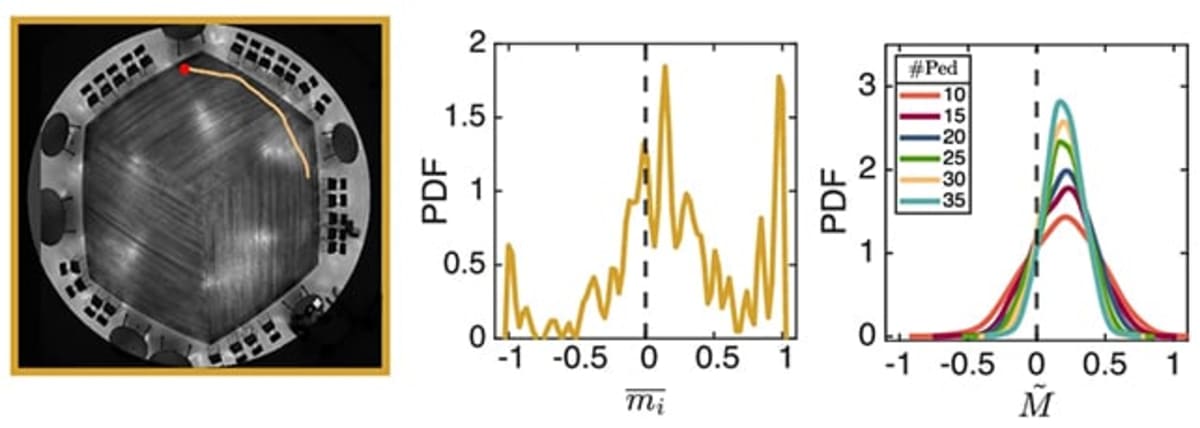
The team tested 209 people across different experiments, carefully removing factors that might influence their choices. Participants walked alone in hexagonal spaces made of chairs and tables. The counterclockwise bias showed up every single time.
"This was completely unexpected," says engineer Claudio Feliciani from the University of Tokyo. "When people walk around randomly, you imagine people turn as their needs suit them with little sign of an overall preference."
The researchers tested their theory thoroughly. They ran experiments in Spain and Japan to account for different cultures. They tested people in open and closed spaces. They checked whether being right-handed or left-handed made a difference (it didn't). They even covered one eye at a time to see if vision played a role (it didn't).
Only one factor made a slight difference: age. Younger participants showed a stronger leftward bias, though the study only included people up to their mid-30s.
What's causing this mysterious preference? That's still unknown, but the research ruled out several possibilities. It's not about which hand or foot you favor. It's not influenced by Earth's magnetic field or the Coriolis force. The answer appears to be biological, buried somewhere in how our bodies are built.
The Ripple Effect
This discovery might seem small, but it could reshape how we design the world around us. Airports, museums, train stations, shopping centers, and stadiums all handle massive crowds of people. Understanding natural movement patterns could make these spaces safer and more efficient.
Emergency planners are particularly interested. Evacuation routes designed with this leftward tendency in mind could save lives during crises. Building architects could create more intuitive layouts that work with our natural instincts instead of against them.
The finding also explains some puzzling traditions. Running tracks and many racing competitions follow counterclockwise routes, a convention that seemed arbitrary until now. Perhaps we've been unconsciously designing these courses to match how humans naturally prefer to move.
The research team plans to expand their work. They want to test older adults and people with different mobility needs. Virtual reality experiments could help pinpoint exactly what's happening in our brains and bodies. They're even curious whether other animals show similar patterns, following early research on ants exploring new nests.
Most animals walk without directional preference, making this human quirk even more intriguing. "The strong bias found in people hints to some asymmetry at the biomechanical level," Feliciani explains.
Sometimes the smallest discoveries open the biggest doors, revealing hidden patterns in how we move through the world.
More Images

Based on reporting by Google News - Scientists Discover
This story was written by BrightWire based on verified news reports.
Spread the positivity!
Share this good news with someone who needs it