Humpback Whales Break Record With 9,400-Mile Ocean Journey
Two humpback whales traveled halfway around the world between continents, breaking distance records and possibly spreading genetic diversity across oceans. Scientists say these epic journeys might be nature's way of keeping whale populations healthy and connected.
Imagine swimming from New York to Los Angeles three times without stopping. That's exactly what one adventurous humpback whale accomplished in a journey that's rewriting what scientists thought possible.
Researchers analyzing over 19,000 whale photos spanning four decades discovered two humpback whales that made jaw-dropping journeys between continents. One whale photographed near Australia in 2007 showed up 12 years later off the coast of Brazil, having traveled at least 8,800 miles. But the real record breaker started life in Brazil's Abrolhos Marine National Park in 2003 and appeared in Australia's Hervey Bay in 2025, covering an astounding 9,400 miles.
These aren't your typical north-south whale migrations. Most humpbacks stick to familiar routes along specific coastlines, feeding in cold waters and breeding in warmer areas. The seven known whale populations rarely mix, each following their ancestral highways through the ocean.
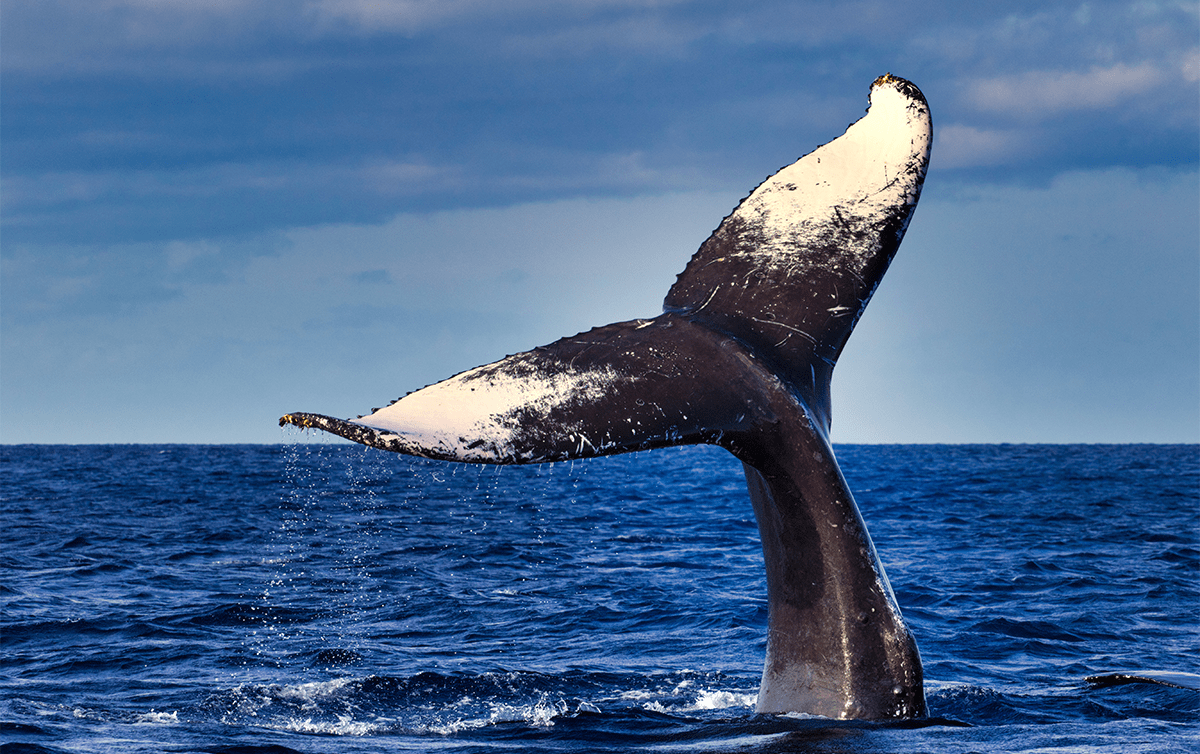
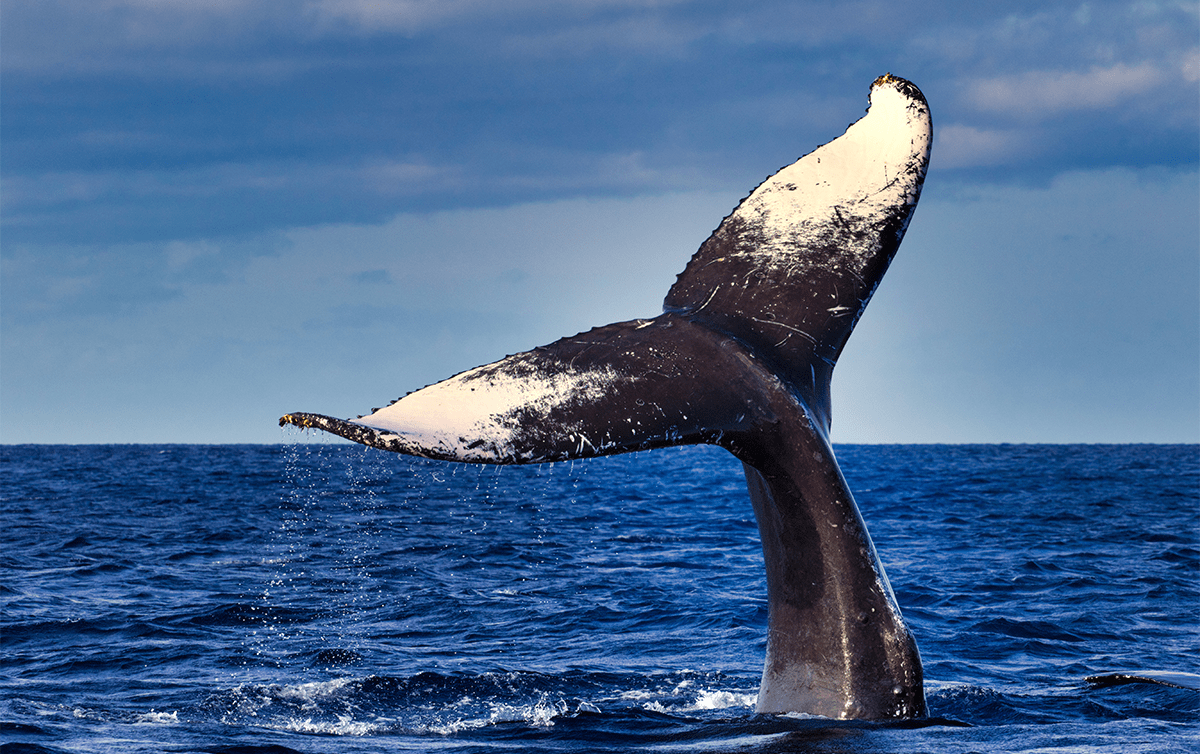
Scientists tracked these record-setters by photographing their tail flukes, which work like fingerprints. Every humpback has unique patterns and colors on the underside of their tail, making it possible to identify individual whales across oceans and decades. Citizen scientists uploading photos to Happywhale.com helped piece together these remarkable stories.
Why This Inspires
These ocean wanderers might be doing more than seeking adventure. Griffith University researcher Stephanie Stack suggests these whales could be maintaining genetic diversity by mixing with distant populations, similar to people leaving their hometowns for broader opportunities.
Even more fascinating, these globe-trotting whales might carry new song styles from one ocean to another. Male humpbacks are famous for their complex songs, which evolve and spread through populations. A whale traveling from Brazil to Australia could introduce entirely new melodies to communities thousands of miles away.
The discovery came from an international team spanning Brazil, Australia, Ecuador, and the United States. Their study, published in Royal Society Open Science, shows how citizen science and patient observation can reveal nature's hidden wonders. Everyday whale watchers contributed photos that helped scientists map these incredible journeys.
These whales prove that nature still holds surprises, even for creatures we've studied for generations. Their willingness to venture into unknown waters keeps their species resilient and connected across vast oceans, reminding us that sometimes the longest journeys bring the most important gifts.
More Images

Based on reporting by Google News - World Record
This story was written by BrightWire based on verified news reports.
Spread the positivity!
Share this good news with someone who needs it